The Secrets of Inca Agriculture and Terracing

The Incas were masterful engineers and architects, and their agricultural methods are a testament to their ingenuity. Their ability to cultivate andean crops in the challenging terrain of the Andes Mountains is nothing short of extraordinary around South America. The techniques they developed were not only practical but also sustainable, ensuring the land remained fertile for generations.

While terraces are the most famous aspect of Inca agriculture, their engineering prowess extended beyond this. The Incas developed advanced irrigation systems that included canals, aqueducts, and reservoirs. These systems were designed to distribute water evenly across their fields, ensuring crops received adequate moisture even during dry spells. This meticulous planning and resource management highlight the Incas’ deep understanding of their environment.

Terraced Farming in the Andes

inca agriculture

The Incas were ahead of their time in implementing sustainable agricultural practices. They practiced crop rotation and polyculture, growing multiple crop species together. This not only maximized the use of available land but also helped prevent soil depletion and reduce pest infestations. By maintaining biodiversity, the Incas ensured the resilience of their agricultural systems against diseases and changing climates.

What is Terraced Farming?

Agriculture was not just an individual endeavor for the Inca empire; it was a community effort. The ayllu, a traditional form of community organization, played a crucial role in managing incan agricultural activities. Members of an ayllu worked together to cultivate fields, share resources, and store surplus produce. This collective approach not only increased efficiency but also strengthened social bonds and ensured food security for everyone.

To truly appreciate the brilliance of Inca agriculture, a visit to the Sacred Valley is a must. Here, the towns of Chinchero, Maras, and Moray offer a glimpse into the past with their stunning agricultural landscapes. Each of these sites tells a unique story of Inca ingenuity and resilience.

Notable Terraced Sites: Chinchero, Maras, and Moray

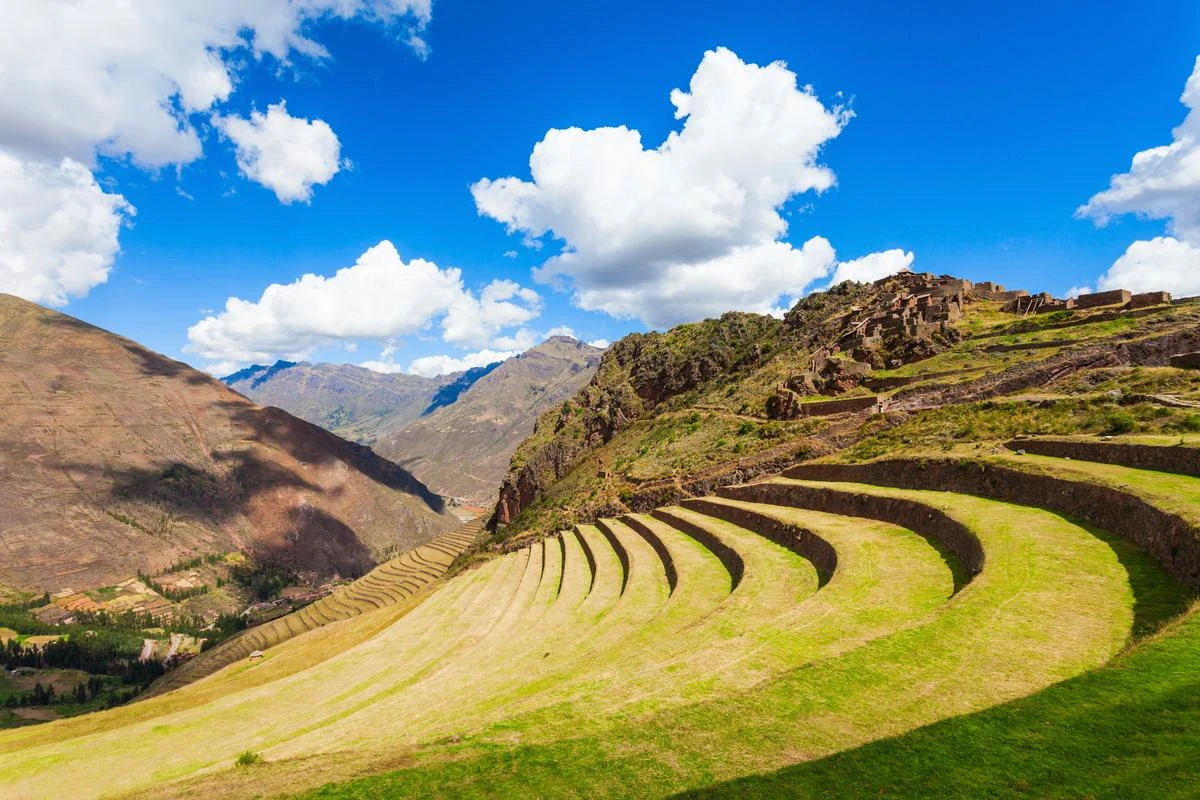
Chinchero, often referred to as the birthplace of the rainbow, is a quaint town known for its vibrant markets and traditional textiles. Beyond its cultural allure, Chinchero is home to impressive terraced fields that exemplify Inca agricultural techniques. The terraces here are not just functional; they are a testament to the aesthetic sensibilities of the Incas, who integrated their agricultural practices seamlessly with the natural landscape.

Markets of Chinchero

The markets in Chinchero are a hub of activity, offering a chance to experience traditional Andean culture. Here, you can find artisans selling handwoven textiles dyed with natural pigments. Participating in a weaving workshop provides insight into the meticulous techniques passed down through generations, reflecting the Inca capital emphasis on craftsmanship.

Walking through the ancient terraces of Chinchero, you can almost feel the echoes of past harvests. Today, local farmers continue to use these terraces, blending ancient techniques with modern agricultural practices. This continuity demonstrates the timelessness of Inca methods and their adaptability to contemporary needs.

Chinchero is also known for its vibrant festivals, which often revolve around agricultural production cycles. These celebrations offer a deeper understanding of the spiritual connection the Incas had with the land, as locals honor the earth’s bounty through music, dance, and rituals.

Maras: The Salt Mines

While Maras is famous for its salt mines, it’s also a testament to the ingenuity of Inca engineering. The salt pans, fed by an underground stream, are a unique example of resource management in the highlands. The sight of thousands of salt ponds gleaming in the sun is truly a photographer’s dream, and understanding their historical significance adds another layer to your visit.

The salt production process in Maras involves channeling salty water into shallow ponds. As the water evaporates, salt crystals form, which are then harvested by local families. This method has been used for centuries, showcasing the Incas’ ability to harness natural resources sustainably.

The Art of Salt Production

The salt mines are not just a historical site; they continue to be a vital part of the local economy. The cooperative model used by the community ensures fair distribution of profits and resources. Visiting Maras provides insight into how ancient practices can support modern livelihoods.

For artists and photographers, Maras offers an ever-changing canvas of colors and textures. The interplay of light and shadow across the salt pans creates stunning visual effects, inspiring creativity and appreciation for nature’s artistry.

Moray: The Agricultural Laboratory

inca agriculture

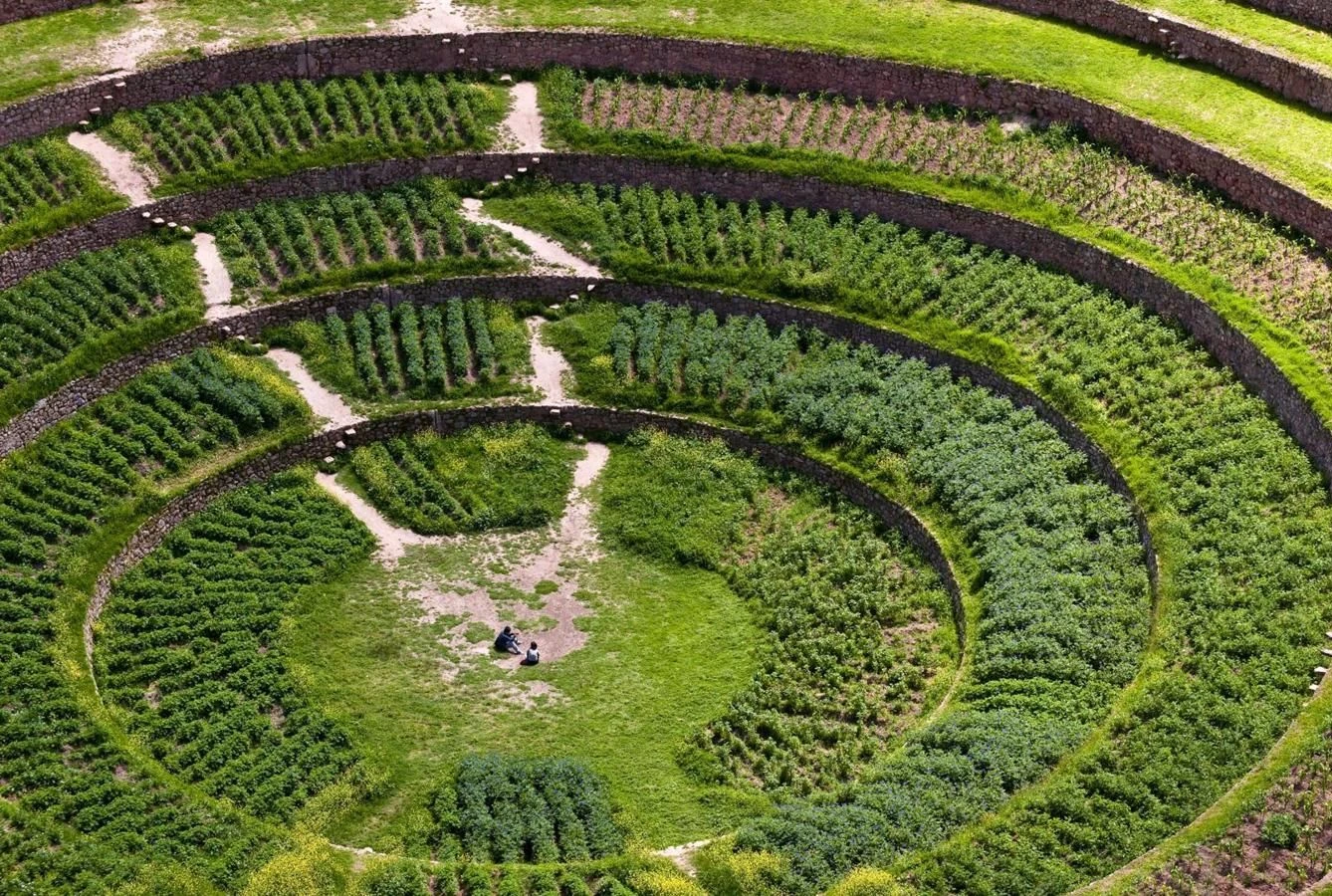
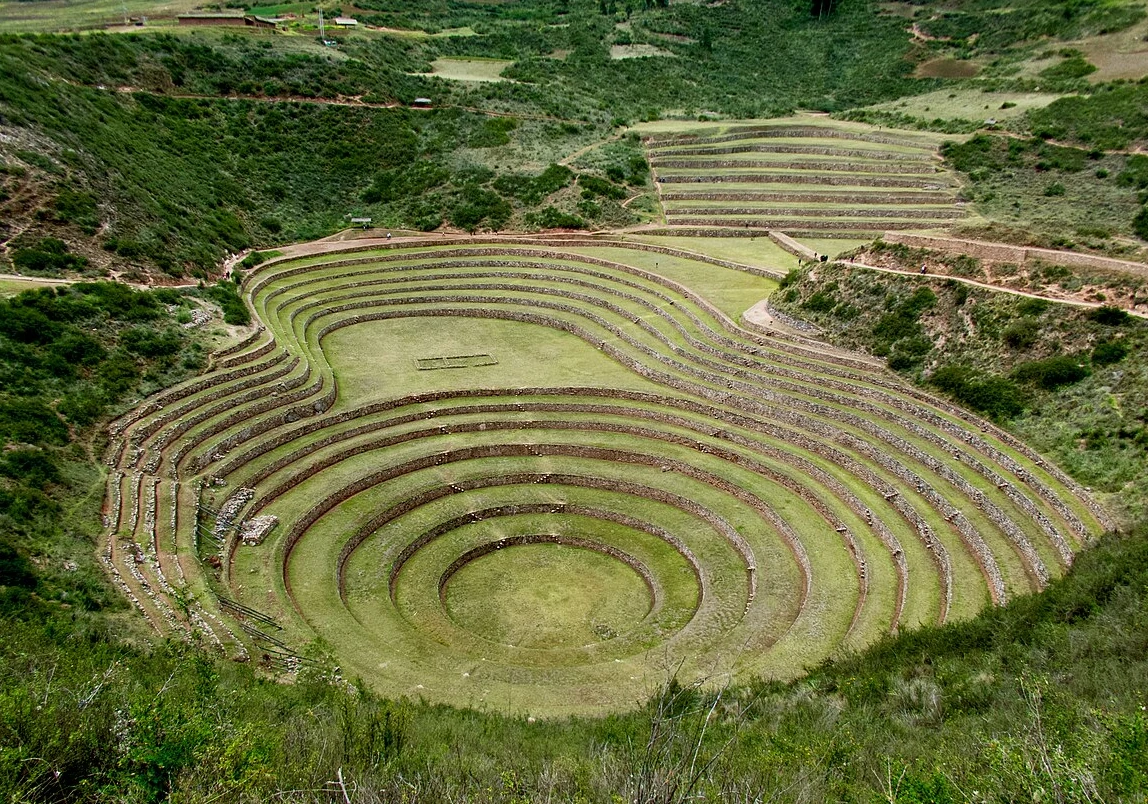
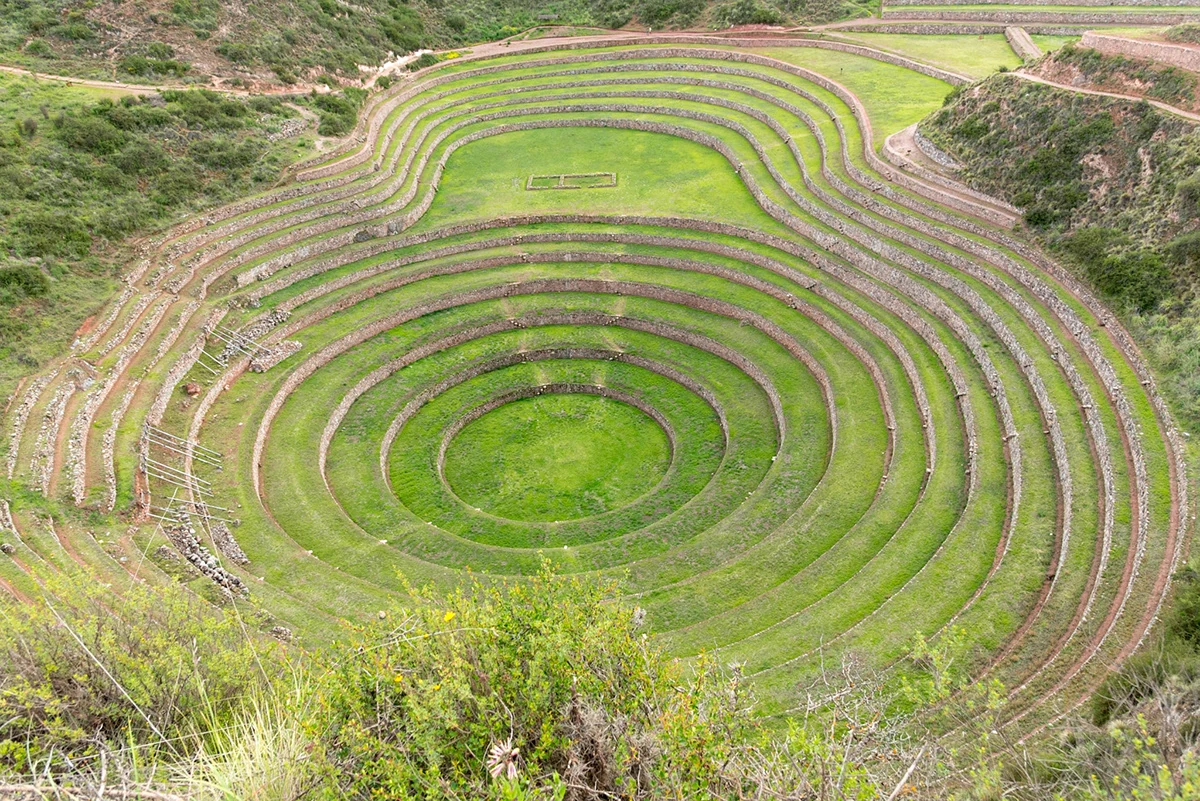
Moray is one of the most intriguing archaeological sites in Peru, often described as an agricultural laboratory. The site consists of several circular terraces, each with its own microclimate. It is believed that the Incas used Moray to experiment with different crop varieties and growing conditions. This innovative approach to agriculture showcases the Incas’ forward-thinking nature and their deep understanding of ecological systems.

The varying temperatures and humidity levels on each terrace allowed the Incas to study plant adaptation to different environments. This experimentation helped them optimize growing conditions for crops, ensuring food security across diverse climates.

Moray stands as a testament to the scientific curiosity of the Incas. By conducting systematic experiments, they gathered valuable data on plant growth, soil fertility, and climate interactions. This knowledge contributed to their ability to sustain a large empire.

Today, Moray is not only a site of historical importance but also an educational resource. Conservation efforts aim to preserve its integrity, while guided Cusco tours offer visitors a chance to learn about Inca innovations firsthand.

Practical Tips for Visiting Inca Agricultural Sites

The best time to visit these sites is during the dry season, from May to September. The weather is more predictable, and the conditions are ideal for trekking and exploring. The dry season also coincides with several cultural festivals, offering a richer experience.

Visiting during this time means you’ll encounter fewer weather-related disruptions. The trails are more accessible, and the clear skies provide breathtaking views of the surrounding landscapes.

Many local festivals occur during the dry season, offering a chance to witness traditional dances, music, and rituals. These events provide a deeper connection to the cultural heritage of the region.

When planning your visit, consider hiring a local guide who can provide detailed insights and enrich your understanding of these sites. The terrain can be challenging, so wear comfortable walking shoes and bring plenty of water. A knowledgeable guide can also help you navigate the less-traveled paths, ensuring a more immersive experience.

Altitude and Acclimatization

The high altitudes can pose challenges for some visitors. Acclimatization is key to enjoying your trip, so plan to spend a few days at lower altitudes before heading to higher sites. Staying hydrated and taking it slow can help mitigate altitude sickness.

In addition to sturdy footwear, packing layers of clothing is advisable due to the varying temperatures. Sunscreen, hats, and sunglasses are essential to protect against the strong Andean sun. Always carry a map or GPS device, as cell service can be unreliable in remote areas.

Photography Tips

inca agriculture

For photographers, the golden hour just after sunrise or before sunset offers the best lighting conditions to capture the terraces’ beauty. Experimenting with angles and perspectives can help highlight the intricate patterns and scale of these agricultural marvels.

Using a tripod can help stabilize your camera for long exposure shots, capturing the subtle play of light and shadow across the terraces. Wide-angle lenses are ideal for capturing the expansive landscapes, while close-up shots can highlight the textures and details of the stonework.

While capturing the beauty of these sites, it’s important to respect the local customs and privacy. Always ask for permission before photographing local people, and be mindful of restricted areas to help preserve the site’s integrity.

To truly connect with the local culture, engage with the communities in Chinchero, Maras, and Moray. Many local guides and artisans are eager to share their knowledge and stories, providing a richer, more authentic travel experience. Participating in traditional weaving demonstrations or local festivals can also enhance your understanding of the region’s cultural heritage.

Engaging with Local Activities

Visiting local workshops and markets offers a glimpse into the region’s artistic traditions. Many artisans are happy to demonstrate their craft, from weaving to pottery, allowing visitors to appreciate the skill and dedication involved.

Participating in workshops provides hands-on experience and a deeper appreciation of the cultural significance behind each craft. These activities also support the local economy, ensuring the continuation of traditional practices.

Exploring local cuisine is another way to connect with the culture. Many dishes are prepared using traditional ingredients and methods, offering a taste of the region’s agricultural heritage. Joining a cooking class can reveal the secrets behind these delicious meals and highlight the importance of agriculture in daily life.

Engaging with local communities can lead to lasting friendships and a better understanding of the region’s values and way of life. Sharing stories and experiences fosters mutual respect and enriches the travel experience.

inca agriculture

Timeless Lessons from Inca Agriculture

The secrets of Inca agriculture and terracing are a testament to the ingenuity and resilience of this ancient civilization. As you explore the terraces of Chinchero, Maras, and Moray, you’ll gain a deeper appreciation for the Incas’ innovative spirit and their harmonious relationship with the land. 

Whether you’re a corporate executive seeking a well-organized escape, a freelance photographer in search of captivating scenes, or an academic researcher delving into cultural insights, the Sacred Valley offers a journey filled with discovery and inspiration.

Embark on this adventure, and let the ancient wisdom of the Incas guide you through a landscape where history and nature intertwine beautifully. The lessons learned from Inca agriculture are not just relics of the past; they offer timeless insights that remain relevant today. Happy travels!

Text Widget

Nulla vitae elit libero, a pharetra augue. Nulla vitae elit libero, a pharetra augue. Nulla vitae elit libero, a pharetra augue. Donec sed odio dui. Etiam porta sem malesuada.

Recent Comments