Exploring the Lost City: Machu Picchu’s Hidden Wonders

Hidden high in the Peruvian Andes, shrouded in mystery, and drenched in centuries-old history, lies the ancient Inca city of Machu Picchu, often referred to as “the lost city”. It’s a city that has fascinated historians, archaeologists, and adventurers alike for over a century since its rediscovery in 1911. Despite its status as a UNESCO World Heritage Site and its global recognition as one of the New Seven Wonders of the World, Machu Picchu still guards secrets that are as enigmatic as they are compelling. 

In this article, we journey through the majestic Machu Picchu’s hidden wonders.  Through a tapestry of forgotten tales, intricate architectural mastery, and recent archaeological discoveries, we endeavor to uncover the enduring allure of Machu Picchu. Whether you’re a seasoned globetrotter, a history enthusiast, or a casual reader curious about this world-renowned landmark, prepare to traverse time and space as we unearth the unseen beauty and concealed marvels of this enduring testament to Inca civilization. 

The enigma of Machu Picchu’s hidden wonders: History and rediscovery

High in the Andes, nestled between peaks, lies Machu Picchu, the “lost city”. The citadel was built around the 15th century, during the pinnacle of Inca civilization. At the time, the empire’s capital was Cusco, a bustling hub of cultural activity.

The city’s isolation suggests it had a special purpose. Many believe it was a royal estate, others argue it was a religious retreat. Despite varying theories, the city’s true function remains a mystery. Its grandeur does point towards a significant role within the empire.

Built on a mountain ridge, the city overlooks the Sacred Valley. Residents reached it via the Inca Trail, a network of paths stretching across the empire. Today, this trail is a popular trek for tourists worldwide.

Despite its majesty, Machu Picchu was not impervious to the empire’s downfall. The Spanish Conquistadors’ arrival in the 16th century marked the end of the Inca Empire. Machu Picchu was abandoned, forgotten by all but a few local farmers.

Fast forward to the 20th century, an American historian, Hiram Bingham, played a vital role in the city’s rediscovery. Bingham was led to Machu Picchu in 1911 during a search for another lost city. Enchanted by the ruins, he initiated excavations and brought the city global attention.

Now, Machu Picchu stands as a testament to the Inca’s architectural prowess and sophisticated society. Despite a century of research, many aspects of this majestic city remain enigmatic, inviting further exploration and fascination.

Exploring the Lost City: Machu Picchu's Hidden Wonders

Architectural masterpieces: Unveiling Inca ingenuity

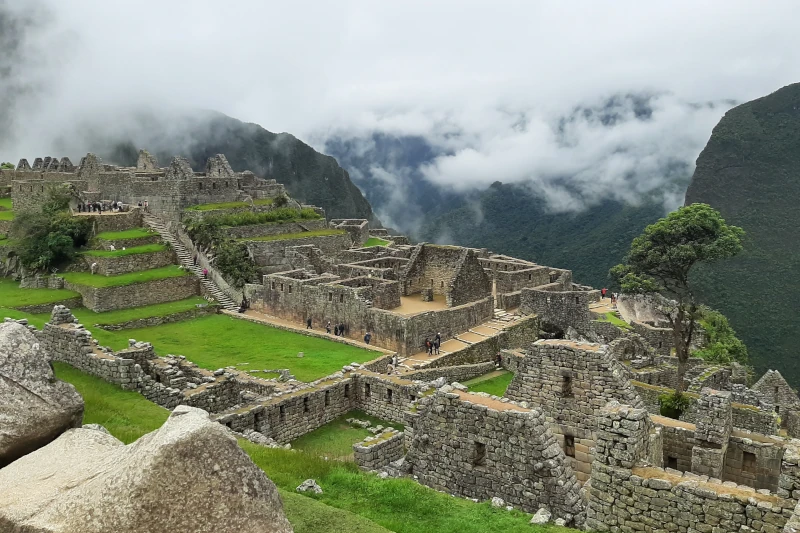
The architecture of Machu Picchu bears witness to the remarkable ingenuity of the Incas. Carved into the rugged landscape, the “lost city” stands as a masterpiece of ancient design. It harmoniously blends with the natural topography, offering a breathtaking view of the Sacred Valley.

Inca architects exhibited mastery in stone masonry. Giant granite blocks, precisely cut and placed, form the city’s structures. Astonishingly, no mortar was used to hold these blocks together. The precision of the craftsmanship has enabled the “lost city” to withstand centuries of harsh weather and seismic activity.

The city’s layout reveals an understanding of urban planning. Residential, agricultural, and ceremonial areas are clearly delineated. The central plaza, encircled by key buildings, functioned as the social hub. A closer look at the residences shows window placements that maximize sunlight, indicating a knowledge of astronomy and seasons.

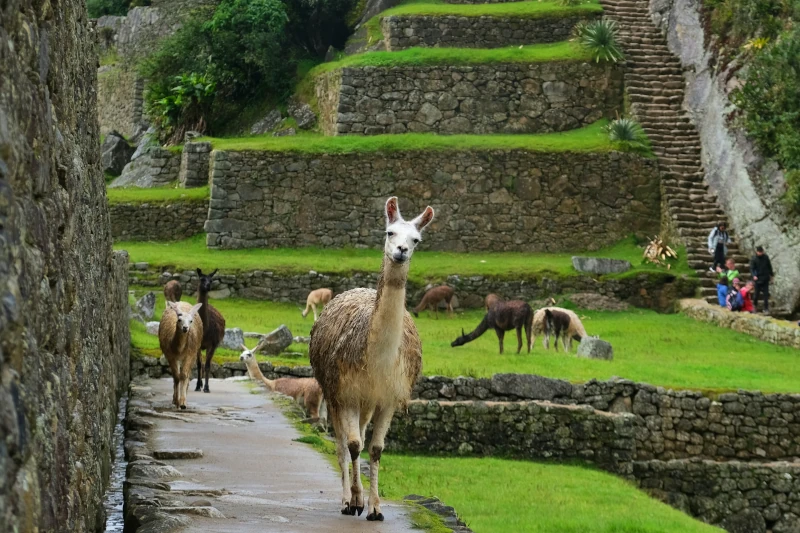
The agricultural terraces on the steep slopes are another marvel. These terraces not only created arable land but also prevented soil erosion. They are a testament to the Inca’s advanced agricultural practices and their respect for nature.

The city’s water distribution system is a feat of engineering. A network of stone-lined channels and fountains supplied fresh water from a spring to the entire city. This efficient system underlines the Inca’s awareness of the importance of water conservation.

Machu Picchu’s intricate architecture and ingenious design testify to a society deeply connected with nature. The harmonious balance between form and function in this “lost city” continues to fascinate historians, architects, and travelers alike. Despite the passage of time, Machu Picchu stands resilient, a tribute to the brilliance of Inca civilization.

Exploring the Lost City: Machu Picchu's Hidden Wonders

Hidden wonders: Recent discoveries and unresolved mysteries

Despite extensive studies and explorations, the “lost city” of Machu Picchu still holds many secrets. Archaeological findings continue to emerge, each one bringing new insights while sparking fresh mysteries. The city’s stone structures tell a story that’s still being pieced together.

Excavations have uncovered intriguing artifacts. These range from pottery and jewelry to tools, reflecting the intricate aspects of Inca daily life. However, understanding their specific uses and origins within the “lost city” often proves challenging.

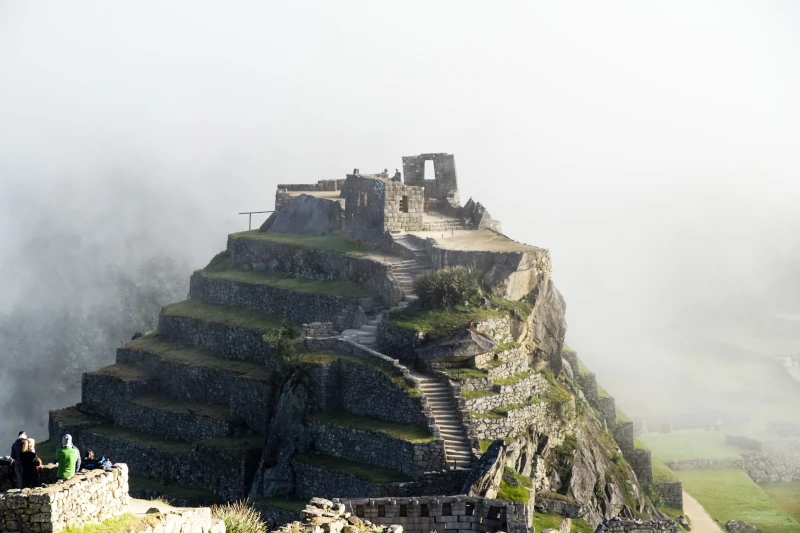
Recent research has focused on the Intihuatana Stone, a fascinating carved rock. Its purpose remains disputed, with theories ranging from a sundial to a sacred shrine. Its true function in the city continues to elude us.

Despite these unanswered questions, Machu Picchu continues to captivate and intrigue. Its allure is not just in its known wonders but also in its concealed secrets. Each mystery invites more exploration, more learning, and more admiration.

As the “lost city” slowly unveils its secrets, it continues to invite us to explore further. Its hidden wonders are a gentle reminder of the vast, untold stories waiting to be discovered. 

For those intrigued by Machu Picchu’s hidden wonders and breathtaking landscapes, consider extending your journey. Venture to the vibrant Vinicunca Rainbow Mountain or the serene Humantay Lake. Each location offers a unique opportunity to immerse yourself in the region’s natural beauty and cultural depth.

Exploring the Lost City: Machu Picchu's Hidden Wonders

Why Book With Us?

  • No-hassle best price guarantee
  • Customer care available 24/7
  • Hand-picked Tours & Activities
  • Expert Local Guides

Got a Question?

Do not hesitate to give us a call. We are an expert team and we are happy to talk to you.

+51-966 719 040

+51-986 826 782

[email protected]