The Art of Alpaca Wool Weaving in Cusco, Peru

Discover the timeless tradition of alpaca wool weaving in Cusco, Peru. This ancient craft is an art form cherished worldwide. It embodies the rich cultural heritage of the Andean people.

Alpaca wool is renowned for its softness, warmth, and durability. Weavers in Cusco have perfected their skills over generations. They create stunning textiles that are both functional and beautiful.

The process begins with the careful selection of alpaca wool. Artisans then dye it using natural, local materials. The result is vibrant textiles with deep, lasting colors.

Weaving techniques vary, each telling a unique story. Patterns and symbols often depict local myths and the natural world. This makes every piece a reflection of Andean life and cosmology.

Visitors to Cusco can witness this incredible art firsthand. Many workshops and markets offer a glimpse into the weaver’s world. It’s a fascinating journey into a living tradition.

Embracing alpaca wool weaving supports local communities and preserves a precious cultural legacy. It connects us with an ancient practice that continues to inspire. Let’s explore the art of alpaca wool weaving during our Sacred Valley and Maras Moray Tour.

Unraveling the Threads: The Process Behind Alpaca Wool Weaving in Cusco

In the heart of Peru, an ancient craft thrives. Artisans transform alpaca wool into breathtaking textiles. This process, steeped in tradition, speaks volumes about their culture.

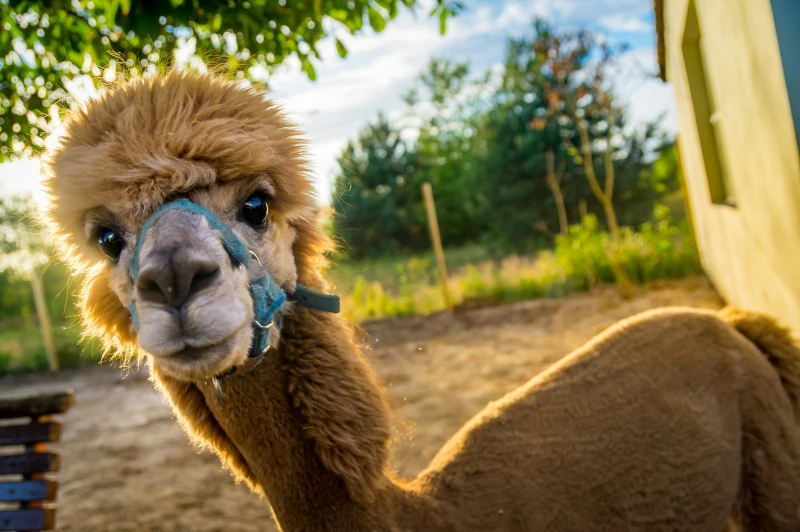
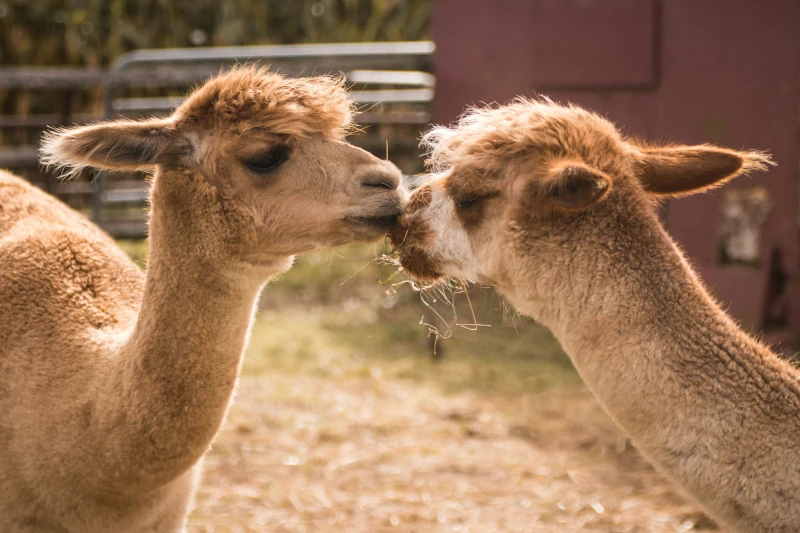
The journey begins with the alpacas themselves. These animals are more than livestock; they are a lifeline. Their wool, a treasure, undergoes careful selection to ensure quality.

Once collected, they must clean the wool. Artisans use natural, local resources for this. The aim is to preserve the wool’s integrity and softness.

Next comes the spinning. Using a drop spindle, artisans twist the wool into yarn. This step requires skill and patience to achieve uniformity.

The Art of Alpaca Wool Weaving in Cusco, Peru

The Dyeing: A Natural Palette

The transformation continues with dyeing. Artisans favor natural dyes from plants and minerals. These dyes offer a range of vibrant colors without harming the environment.

The dyeing process is not just about color. It’s an alchemy that requires precise knowledge of materials. The result is a palette that mirrors the Peruvian landscape.

After dyeing, the artisans are ready to woven the wool. This is where the magic happens. Weavers use traditional looms, a method passed down through generations.

Their hands move with practiced ease, interlacing the yarn. The looms click and clack, a rhythm that tells of years of dedication.

Patterns with Purpose

Each textile tells a story. The patterns are not random. They carry meanings, often tied to nature or folklore.

Weavers embed symbols that represent mountains, rivers, and animals. These elements are central to their worldview. They serve as a bridge between the past and present.

The final products are not just textiles. They are pieces of cultural expression. They hold stories, beliefs, and the spirit of the Andean people.

Owning such a textile means more than having a beautiful item. It means holding a piece of history. It means connecting with a tradition that has endured for centuries.

This craft supports the local economy. It provides artisans with a livelihood. It also preserves a valuable cultural heritage.

The Art of Alpaca Wool Weaving in Cusco, Peru

A Tradition That Endures

Alpaca wool weaving in Cusco is more than an art. It is a testament to resilience and creativity. It shows how tradition can thrive in the modern world.

The process from wool to woven textile is complex. Yet, artisans approach it with joy and pride. They are keepers of an invaluable legacy.

Visitors to Cusco are often awestruck by the beauty of these textiles. Many leave with a deep appreciation for the craft. Some even take weaving workshops to experience the process firsthand.

This art form continues to evolve. Artisans experiment with new designs while honoring traditional methods. Their work is a dialogue between the old and the new.

The weaving of alpaca wool in Cusco is a fascinating process. It combines skill, tradition, and a deep connection to the environment. These textiles are not just products; they are a lifeline for a rich cultural heritage. They remind us of the power of craftsmanship and the enduring spirit of the Andean people.

Patterns of the Past: Understanding the Symbolism in Cusco’s Alpaca Wool Textiles

In Cusco, textiles are a language. They tell stories of mountains, rivers, and the cosmos. Crafted from alpaca wool, these pieces carry centuries of Andean wisdom.

The weaving process begins with the careful selection of materials. Here, alpaca fiber stands out for its quality and warmth. It’s softer and more durable than sheep wool.

Artisans in Cusco choose alpaca wool for its unique properties. It offers a vast spectrum of natural colors. This range is crucial for their intricate designs.

The Canvas of the Andes

Each textile serves as a canvas. The weavers are the artists. With every thread, they capture the essence of their surroundings.

The patterns woven into these textiles are deeply symbolic. They often depict the harmony between the Andean people and nature. This harmony is central to their worldview.

Mountains, for example, are revered as protectors. They are often represented in textiles through zigzag patterns. These patterns symbolize the sacred Apus, or mountain spirits.

Animals also play a significant role in these designs. The condor, puma, and snake represent the three Andean worlds. They symbolize the sky, the earth, and the underworld, respectively.

The Art of Alpaca Wool Weaving in Cusco, Peru

A Spectrum of Significance

Colors in these textiles are not random. Each hue has a specific meaning. They reflect the weavers’ deep connection to their environment.

Red, for example, represents the earth and human life. Many use patterns that depict community and fertility. Blue, on the other hand, symbolizes the sky and water. It’s used to convey serenity and infinity.

The choice of alpaca wool enhances these colors. Its natural luster brings depth to each shade. This makes the symbolism even more powerful.

Weaving Techniques: A Legacy Preserved

The techniques used in creating these textiles are as important as the patterns themselves. They are a testament to the weavers’ skill and dedication.

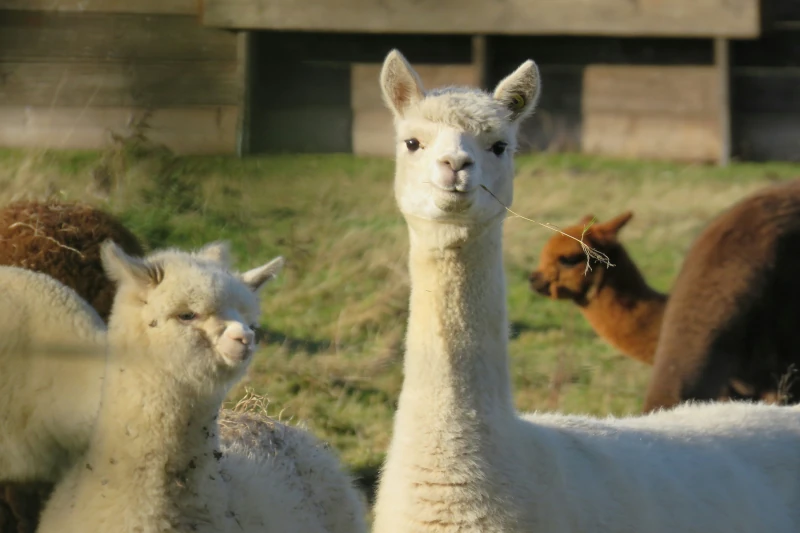
There are two main types of alpaca: Huacaya and Suri. Each offers different textures. Huacaya fiber is fluffy and soft, while Suri fiber is silky and lustrous.

Artisans choose between these types based on the desired texture of the textile. This choice is crucial to the final look and feel of the piece.

The backstrap loom is the most common tool used in weaving these textiles. It allows for intricate patterns and fine control. This loom is a link to the past, used for generations.

Beyond Aesthetics: Textiles as Cultural Bearers

Alpaca wool textiles are more than just decorative items. They are carriers of cultural identity. They hold the stories, beliefs, and history of the Andean people.

Many use these textiles in daily life and in ceremonial contexts. They signify social status, marital status, and even one’s community. They are integral to the fabric of Andean society.

The act of weaving itself is a communal activity. It strengthens social bonds and ensures the transmission of knowledge. This communal aspect is vital to the survival of the craft.

Preserving this tradition is essential. It’s not just about maintaining a craft. Is about keeping a culture alive. It’s about honoring the past while looking to the future.

Embracing Tradition in the Modern World

Today, all the world celebrate these textiles. They are appreciated not only for their beauty but also for their cultural significance. This global recognition supports the artisans and their communities.

However, the true value of these textiles lies in their ability to connect us to the past. They remind us of the importance of tradition in our fast-paced world. They show us the beauty of a slower, more thoughtful way of life.

The symbolism in Cusco’s alpaca wool textiles is a rich tapestry of Andean culture. It reflects a deep understanding of the natural world and the place of humans within it. These textiles are a testament to the skill, creativity, and spiritual depth of the Andean people. They remind us of the enduring power of tradition and the timeless beauty of alpaca fiber.

The Art of Alpaca Wool Weaving in Cusco, Peru

Why Book With Us?

  • No-hassle best price guarantee
  • Customer care available 24/7
  • Hand-picked Tours & Activities
  • Expert Local Guides

Got a Question?

Do not hesitate to give us a call. We are an expert team and we are happy to talk to you.

+51-966 719 040

+51-986 826 782

[email protected]