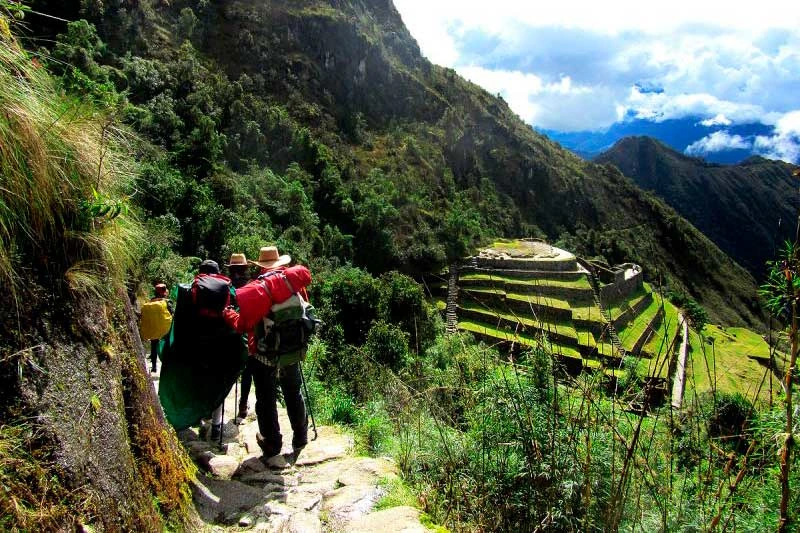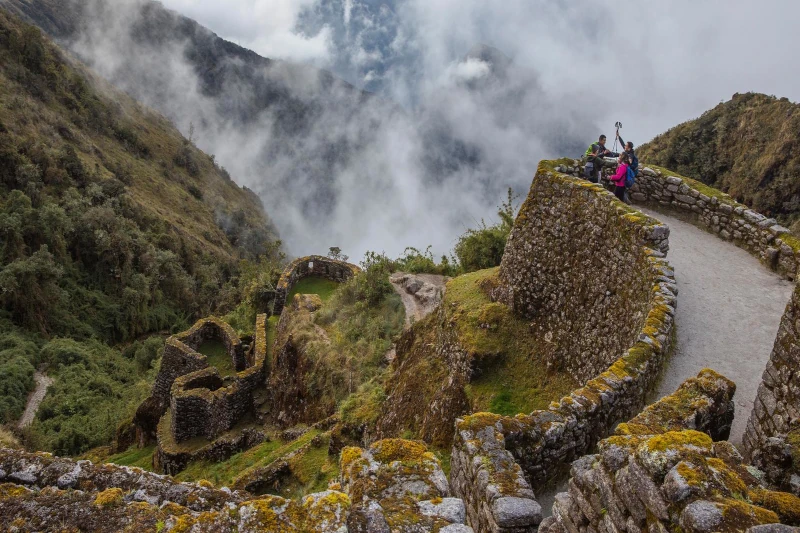
You can experience the Inca Trail in two popular ways, making the choice between the 2 Day Inca Trail vs Classic Inca Trail essential. Both lead to the breathtaking Inca citadel of Machu Picchu.
The Classic Inca Trail follows the classic route, passing through ancient Inca cities and diverse landscapes. The Inca Trail 2 days, suits travelers with limited time but a strong desire for adventure.
Both end in Aguas Calientes, the gateway to the Inca citadel. This journey goes beyond a hike. It takes you through the heart of the Incan Empire and reveals the rich culture of the Andes.
Each route reveals a unique side of this ancient civilization. Travelers can choose the trail that fits their interests and schedule. Your choice depends on available time, fitness level, and how deeply you want to explore history and nature.
Both trails lead you to the iconic Machu Picchu but differ in duration, difficulty, and landscapes. Understanding these differences helps you make an informed decision that maximizes your travel experience.

The 2 Day Inca Trail is perfect for those who are short on time but still want to experience the magic of the Inca Trail. This option shortens the classic route.It offers stunning landscapes and historic sites without a long hike. It suits travelers seeking the Andes’ thrill while enjoying other activities.
Though shorter, the Trail offers a memorable experience. It highlights key spots that capture the true essence. Travelers will enjoy the history and natural beauty of the region. This option suits those who want a brief yet impactful adventure that fits into a tight travel schedule.
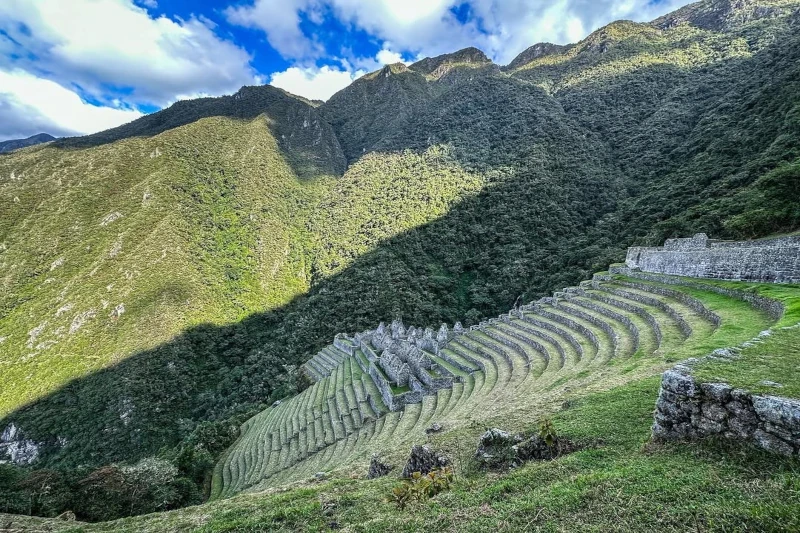
Wiñay Wayna: This impressive archaeological site is a highlight of the 2-day trek. Its name means “Forever Young,” and it offers a stunning glimpse into the past with its well-preserved terraces and structures. The site lets you admire Incan architecture and agriculture, all framed by lush greenery and stunning mountain views.
Inti Punku (Sun Gate): Arriving at the Sun Gate is a breathtaking moment, providing the first view of Machu Picchu. It’s a reward for your efforts and a memorable photo opportunity.
This is the gateway to the ancient citadel. It marks where the first sunlight hits Machu Picchu at dawn, a view that has amazed travelers for generations.
This option fits travelers with limited time who want to enjoy the beauty and history of the Inca Trail. It’s less strenuous than the full 4-day trek, making it accessible for those with moderate fitness levels.
It’s also a great choice for those who want to balance exploration with relaxation during their trip. Families, and those who prefer a less physically demanding adventure will find this trail particularly appealing.
The 2-Day Inca Trail suits travelers who want to combine their hike with other Peru activities like visiting the Sacred Valley or exploring vibrant Cusco. This flexibility makes it a great choice for those who want to maximize time without overexerting themselves. It also offers a quick, rewarding introduction to the Andes, making it popular with first-time visitors.
For those who have the time and the stamina, the Classic 4 Day Inca Trail offers a more immersive experience. This trail leads you deeper into the Andes, offering a full journey through diverse ecosystems and ancient Incan sites.
Each day reveals new wonders and challenges, deepening your connection to the Incan Empire and its enduring legacy.
The Classic Trail tests your endurance and offers a journey of discovery. It crosses diverse landscapes, from lush cloud forests to alpine tundra. It offers a dynamic trek filled with beauty and rich history.
This trail is more than a hike. You will walk in the footsteps of the Incas and connect with the civilization that shaped South America’s history.

Dead Woman’s Pass: The highest point on the trail, this pass offers stunning views and a sense of accomplishment once you reach the top.
It’s a challenging ascent, but the panoramic vistas and the feeling of reaching the summit are worth the effort. The pass is a testament to the trail’s demanding nature and the rewards that come with perseverance.
Runkurakay, Sayacmarca, and Phuyupatamarca: These archaeological sites offer a deeper understanding of the Incan civilization and its architectural prowess. Each site is unique, showcasing different aspects of Incan life and ingenuity.
From the circular ruins of Runkurakay to the strategic site of Sayacmarca, these places offer a fascinating glimpse into the past.
Camping Under the Stars: Spend your nights in tents under the Andean sky, surrounded by the sounds of nature. Camping in such a remote, beautiful setting adds adventure and a special connection to the journey.
It’s a chance to disconnect from the modern world and reconnect with nature, creating memories that last a lifetime.
The Classic Inca Trail suits those who want a fuller experience and time to explore remote, lesser-known sites. It’s a physically demanding trek, so it’s best suited for those with a good level of fitness and a love for adventure.
If you’re a photographer, the diverse landscapes and historical sites provide endless opportunities for capturing stunning images. The journey takes you deep into the Andes, rewarding travelers who seek a strong connection with history and nature.
Adventurers, historians, and travelers seeking transformation will find the Classic Inca Trail fulfilling.
This trail challenges you physically and mentally while honoring the Incan people’s resilience and ingenuity. It suits those ready to invest time and effort in a journey that offers more than sightseeing a true exploration of a legendary path.

2-Day Trail: A quick but rewarding experience, perfect for those with time constraints. The hike is less intense, making it accessible for most travelers.
The shorter trek lets travelers experience the Inca Trail without the demands of the longer hike. It offers a taste of adventure that fits into a wider travel plan.
4-Day Trail: A longer, more challenging journey that requires good physical preparation. The extended duration allows for a deeper connection with the landscape and history.
The trek’s challenge balances with rich cultural and natural rewards, offering a complete exploration of the Inca Trail’s diverse wonders.
2 Day Trail: Offers a snapshot of the Inca Trail’s beauty and heritage, focusing on key sites like Wiñay Wayna and the Sun Gate. This trail gives travelers a focused experience of the Inca Trail’s most iconic moments. It lets them appreciate the Andes’ grandeur and the Incas’ ingenuity in a short, powerful journey.
4 Day Trail: Provides a comprehensive exploration of the region, with multiple archaeological sites and diverse ecosystems along the way. This trail gives travelers a focused experience of the Inca Trail’s most iconic moments. It lets them appreciate the Andes’ grandeur and the Incas’ ingenuity in a short, powerful journey.
Both trails require permits, and it’s essential to book well in advance, especially for the Classic Inca Trail. Consider hiring a reputable tour operator who can provide guides, porters, and necessary equipment, ensuring a smooth experience.
Planning an Inca Trail trek can be complex. With good preparation and support, travelers can focus fully on the adventure ahead.
Choosing the right tour operator is crucial. They ensure you have a safe and enjoyable Inca Trail trek. A good operator secures permits and provides expert guides. They help travelers enjoy the journey fully without worrying about logistics.
2-Day Trail: Great for capturing iconic views of Machu Picchu and Wiñay Wayna. The shorter duration allows for more time to explore other cultural sites in the area. The 2-Day Inca Trail suits travelers who want to combine photography with a quick, meaningful exploration of Peru’s cultural heritage.
The 4-Day Inca Trail offers excellent opportunities to photograph diverse landscapes from cloud forests to high mountain passes and to connect deeply with local culture. The longer trek gives plenty of time to capture the Andes’ beauty and the details of Incan architecture. It’s a photographer’s dream.
Preparation: Regardless of the trail you choose, physical preparation is key. Regular exercise leading up to your trip will enhance your experience.
Building endurance, strength, and flexibility makes the trek more enjoyable and reduces the risk of injury, letting you fully enjoy the journey.
Acclimatization: Spend a few days in Cusco before starting your trek to acclimatize to the altitude. Altitude sickness can affect even fit travelers. Taking time to adjust to higher elevations helps prevent discomfort and ensures a smoother trek.
Explore Cusco‘s rich history and culture while you acclimate, adding an extra dimension to your trip.
Packing: Pack light but smart. Essentials include sturdy hiking boots, layered clothing, sunscreen, and a good camera. Prioritize comfort and function.
Make sure you have what you need to handle the trail’s challenges and capture its beauty. A well-packed bag can make all the difference in your trekking experience.
Respect the trail by following Leave No Trace principles. Help preserve the Inca Trail’s beauty for future generations. The Inca Trail is a sacred path, and responsible travel practices help protect its natural and cultural heritage. By minimizing your impact, you contribute to the preservation of this iconic landscape.
Do not hesitate to give us a call. We are an expert team and we are happy to talk to you.