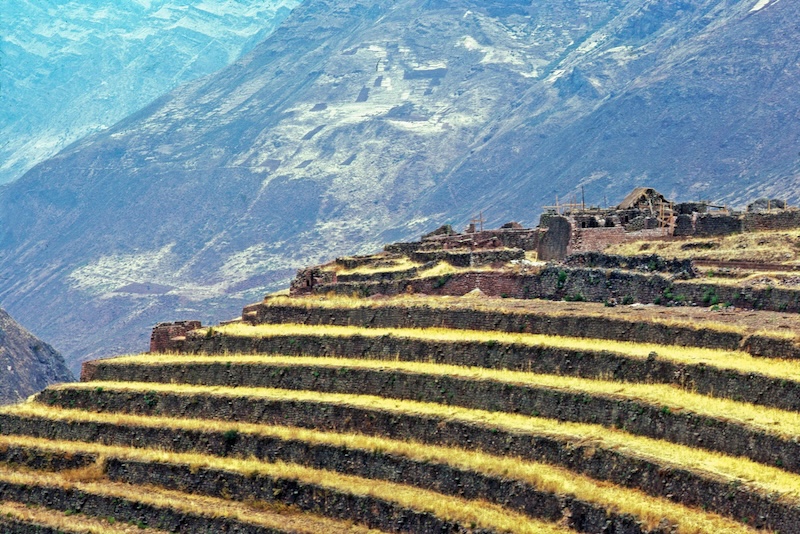
Sacred Valley of the Incas Peru

Nestled in the heart of the Andes, the Sacred Valley of the Incas in Peru is a breathtaking destination. It captivates adventurers and nature enthusiasts alike. Sacred Valley Peru is known for its stunning landscapes, rich history, and vibrant culture. This region offers a unique blend of natural beauty and ancient traditions.

Join us as we explore the wonders of the Sacred Valley, where every corner reveals a story waiting to be told. Each visit to this enchanting region unveils layers of history that have shaped the cultural tapestry of Peru. It invites travelers to delve deeper into its mystical allure.

sacred valley of the incas peru

Discovering the Sacred Valley

The Sacred Valley, or “Valle Sagrado,” stretches between the towns of Pisac and Ollantaytambo.  It encompasses a series of picturesque villages and archaeological sites. This fertile valley was once the heartland of the Inca Empire. It provides sustenance and wealth to its people. Today, it remains a vital part of Peru’s cultural and agricultural heritage. The valley’s landscapes are dotted with terraces and ancient canals that whisper tales of a time when the Incas thrived in harmony with nature.

The Historical Significance of the Sacred Valley

The Sacred Valley’s historical significance is deeply intertwined with the development and expansion of the Inca Empire. It served as a strategic agricultural and political hub that fueled the growth of one of the most sophisticated ancient civilizations in the Americas. The valley’s strategic location allowed the Incas to harness the fertile land to produce food surpluses. This supported large populations and facilitated trade. Today, visitors can witness the remnants of this ingenuity in the form of terraces, storage facilities, and irrigation systems that were designed to maximize agricultural productivity.

Cultural Heritage and Traditions

Beyond its historical importance, the Sacred Valley is a living repository of cultural heritage and traditions. The local communities continue to celebrate their ancestral customs through vibrant festivals, traditional clothing, and artisanal crafts. Each village offers a unique glimpse into the daily life of the Quechua people. The descendants of the Incas, preserve their heritage through storytelling, music, and dance. Visitors have the opportunity to participate in these cultural expressions. You will be gaining a deeper understanding of the region’s rich and diverse identity.

Natural Beauty and Landscape

The natural beauty of the Sacred Valley is unparalleled, with its dramatic Andean peaks, lush valleys, and meandering rivers. The landscape is a photographer’s dream. It offers breathtaking vistas at every turn. Hiking and trekking enthusiasts will find a myriad of trails that lead to panoramic viewpoints and hidden gems. The valley’s diverse ecosystems ranges from cloud forests to arid highlands. They are home to a wide variety of flora and fauna. This natural diversity not only adds to the visual splendor but also supports a delicate ecological balance that sustains the region’s biodiversity.

The Indigenous Communities

The indigenous communities of the Sacred Valley are the custodians of this remarkable region. They play a crucial role in preserving the cultural and natural heritage of the area. Through community-based tourism initiatives, visitors can engage with local families. They can learn about traditional farming practices, and partake in cultural workshops. These interactions foster mutual understanding and respect. It creates meaningful connections that enrich the travel experience.

By supporting these communities, travelers contribute to the sustainable development of the region. They also help ensure the preservation of its unique identity.

sacred valley of the incas peru

Cusco and the Sacred Valley of the Incas

Cusco, the gateway to the Sacred Valley, is a city steeped in history and charm. As the former capital of the Inca Empire, it offers a glimpse into the past with its well-preserved architecture and cobblestone streets. From Cusco, travelers can easily embark on a journey to the Sacred Valley. They will be greeted by lush landscapes and awe-inspiring ruins. The city’s vibrant atmosphere and rich cultural offerings make it an essential starting point for any exploration of the Sacred Valley.

Historical Landmarks in Cusco

Cusco is a treasure trove of historical landmarks that bear witness to its illustrious past. The city’s iconic Plaza de Armas is surrounded by colonial-era churches and buildings. Each has its own story to tell. The Qorikancha, once the most important temple in the Inca Empire. It showcases the remarkable stonework that characterized Inca architecture.

Today, it stands as a testament to the fusion of Inca and Spanish influences. Its foundations are incorporated into the Convent of Santo Domingo. A visit to Cusco is incomplete without exploring these landmarks. They offer insights into the city’s complex history.

Culinary Delights of Cusco

Cusco’s culinary scene is a delightful blend of traditional Andean flavors and modern culinary innovations. The city’s markets are brimming with fresh produce, herbs, and spices that form the backbone of Peruvian cuisine. Visitors can savor local specialties such as ceviche, lomo saltado, and quinoa dishes. These food highlight the region’s rich agricultural heritage. Culinary tours and cooking classes provide an opportunity to learn about traditional cooking techniques and the cultural significance of food in Andean society. Dining in Cusco is not just a culinary experience but a journey through the flavors of the Andes.

Cultural Experiences in Cusco

Cusco is a cultural hub where ancient traditions and contemporary expressions coexist harmoniously. The city’s vibrant arts scene includes traditional music and dance performances. They showcase the rhythms and melodies that have been passed down through generations. Artisans’ workshops offer a chance to learn about traditional weaving, pottery, and silverwork, skills that have been honed over centuries. Festivals and celebrations bring the streets of Cusco to life with colorful parades, music, and dance. Theyu offer visitors a chance to immerse themselves in the region’s rich cultural tapestry.

Acclimatization and Preparation

Given Cusco’s high altitude, acclimatization is an important consideration for travelers. The city’s elevation can pose challenges for those unaccustomed to high altitudes. Taking the time to adjust is essential for an enjoyable visit. It is recommended to spend a few days in Cusco before venturing into the Sacred Valley to allow the body to acclimate. Staying hydrated, avoiding strenuous activities, and consuming coca leaves or tea can help alleviate symptoms of altitude sickness. Proper preparation ensures a comfortable and memorable exploration of the Sacred Valley.

sacred valley of the incas peru

Sacred Valley of the Incas Tour

Embarking on a tour of the Sacred Valley is an unforgettable experience. It combines adventure, culture, and nature. Here are some highlights to consider when planning your visit:

Pisac: A Blend of History and Tradition

The town of Pisac is renowned for its vibrant market and impressive archaeological site. Stroll through the bustling market, where local artisans display their colorful textiles, ceramics, and jewelry. The market is a sensory delight, with its kaleidoscope of colors, the hum of negotiations, and the aroma of freshly prepared street food. Then, venture to the Pisac ruins, perched high on a hill overlooking the valley. These ancient terraces and temples offer a glimpse into the ingenuity and craftsmanship of the Inca civilization. Exploring the site, one can imagine the vibrant community that once thrived here, engaged in agriculture, trade, and spiritual practices.

Ollantaytambo: A Living Inca Town

Ollantaytambo is a must-visit destination for history buffs and adventure seekers. This well-preserved Inca town is a living testament to the past. Its original stone streets and buildings still in use today. The town’s layout provides a fascinating insight into Inca urban planning. Its grid-like streets and sophisticated water management systems. Explore the Ollantaytambo fortress, where massive stone terraces rise dramatically against the backdrop of the Andes. The site played a crucial role in the defense of the Inca Empire against Spanish conquistadors. Walking through the fortress, one can almost hear the echoes of the past, as warriors prepared to defend their homeland.

Moray: The Inca Agricultural Laboratory

Moray is an archaeological site that offers a fascinating insight into the agricultural practices of the Incas. Here, you’ll find a series of concentric terraces that resemble a giant amphitheater. These terraces were used by the Incas to experiment with different crops and microclimates, showcasing their advanced understanding of agriculture. The site’s design creates varying temperature zones, allowing for the cultivation of diverse crops. Moray stands as a testament to the Incas’ innovative spirit and their ability to adapt to their environment. Visitors can marvel at the ingenuity of these ancient agricultural techniques and appreciate the enduring legacy of Inca knowledge.

Maras: The Salt Mines of the Incas

The salt mines of Maras are a unique and picturesque site in the Sacred Valley. Thousands of salt pans cascade down the mountainside, creating a stunning patchwork of colors. These salt pans have been in use since Inca times and continue to be harvested by local families. The production process involves channeling natural spring water into the pans, where it evaporates, leaving behind pure salt crystals. A visit to Maras offers a glimpse into traditional salt production methods and the enduring legacy of the Incas. The site is not only a testament to the region’s rich history but also a living example of sustainable resource management.

Chinchero: The Weaving Capital

Chinchero, known as the weaving capital of the Sacred Valley, is a village that celebrates the art of traditional textile weaving. The local weavers use ancient techniques to create intricate patterns and vibrant colors, drawing from a rich heritage of symbolism and storytelling. Visitors can participate in weaving workshops, learning about the natural dyes and fibers used in the process. The Chinchero market offers a treasure trove of handmade textiles, providing an opportunity to support local artisans and take home a piece of the valley’s cultural heritage.

sacred valley of the incas peru

Sacred Valley Peru: A Haven for Wildlife

Beyond its historical and cultural significance, the Sacred Valley is also a haven for wildlife. The region’s diverse ecosystems support a wide variety of flora and fauna, making it a paradise for nature lovers and ecotourists. The valley’s unique geographical features create habitats that are home to rare and endemic species, offering a glimpse into the rich biodiversity of the Andes.

Birdwatching in the Sacred Valley

The Sacred Valley is home to an array of bird species, including the Andean condor, giant hummingbird, and torrent duck. Birdwatching enthusiasts will be delighted by the opportunity to spot these magnificent creatures in their natural habitat. The valley’s varied landscapes, from lush forests to high-altitude grasslands, provide ideal conditions for birdwatching. Specialized tours and local guides offer insights into the behavior and ecology of the region’s avian residents, enhancing the experience for both novice and experienced birdwatchers.

Flora and Fauna of the Sacred Valley

The Sacred Valley’s diverse ecosystems support a wide range of plant and animal life. The region is home to an array of orchids, cacti, and bromeliads, each adapted to the unique climatic conditions of the Andes. Mammals such as the spectacled bear, vicuña, and Andean fox can be spotted in the valley’s more remote areas. The interplay between the region’s flora and fauna creates a dynamic and interconnected ecosystem, highlighting the importance of conservation efforts to protect these natural treasures.

Eco-Tourism Opportunities

The Sacred Valley offers a wealth of eco-tourism opportunities for those seeking to immerse themselves in nature. Guided hikes, wildlife tours, and nature photography workshops provide a deeper understanding of the region’s ecological diversity. Responsible eco-tourism practices ensure that visitors can enjoy the valley’s natural beauty without compromising its environmental integrity. By choosing eco-friendly activities and accommodations, travelers contribute to the sustainable preservation of the Sacred Valley’s natural wonders.

Conservation Efforts in the Sacred Valley

Preserving the natural beauty and biodiversity of the Sacred Valley is of utmost importance. Local communities and conservation organizations are working together to protect endangered species and promote sustainable tourism practices. Collaborative initiatives focus on habitat restoration, wildlife monitoring, and environmental education programs. By visiting the Sacred Valley, you can contribute to these efforts and help ensure the preservation of this remarkable region for future generations. Supporting conservation projects and participating in volunteer programs offer meaningful ways to give back to the environment and the communities that call the Sacred Valley home.

sacred valley of the incas peru

Planning Your Visit to the Sacred Valley of the Incas

When planning your trip to the Sacred Valley, consider joining a guided tour that emphasizes conservation and cultural immersion. These tours provide valuable insights into the history and ecology of the region while supporting local communities and conservation initiatives. Proper planning ensures a rewarding and responsible travel experience that respects the region’s cultural and natural heritage.

Tips for a Responsible Visit

  • Respect local customs and traditions. Engage with the community by learning a few words in Quechua, the local language, and participating in cultural activities with an open mind and heart.
  • Minimize your environmental impact by following Leave No Trace principles. Avoid single-use plastics, dispose of waste responsibly, and stay on designated trails to protect the natural environment.
  • Support local artisans by purchasing handmade crafts and products. Investing in locally made goods helps sustain traditional crafts and provides economic support to the community.
  • Choose eco-friendly accommodations and tour operators committed to sustainability. Look for certifications or endorsements from recognized environmental organizations to ensure your choice aligns with eco-friendly practices.

Best Time to Visit

The best time to visit the Sacred Valley is during the dry season, from May to September, when the weather is generally clear and sunny. This period offers ideal conditions for outdoor activities and exploring archaeological sites. However, the wet season, from November to March, brings lush green landscapes and fewer crowds, offering a different perspective of the valley’s beauty. Regardless of the season, visitors should prepare for varying temperatures and pack accordingly, as the high-altitude climate can be unpredictable.

Travel Logistics and Accommodations

Traveling to the Sacred Valley involves careful planning of logistics and accommodations. Most visitors arrive via Cusco, which is accessible by air and road. From Cusco, various transportation options, including buses, trains, and private tours, are available to explore the valley. Accommodations range from luxury resorts to budget-friendly hostels, catering to diverse preferences and budgets. Booking in advance is recommended, especially during peak travel seasons, to secure the best options for your stay.

Health and Safety Considerations

Visitors to the Sacred Valley should be mindful of health and safety considerations, particularly related to altitude and outdoor activities. Staying hydrated, using sunscreen, and wearing appropriate clothing are essential for comfort and well-being. Travelers should also be aware of local health recommendations and consider travel insurance for added peace of mind. By taking these precautions, visitors can focus on enjoying their adventure in the Sacred Valley with confidence and ease.

sacred valley of the incas peru

Final Thoughts

The Sacred Valley of the Incas is a destination that beckons travelers with its enchanting landscapes and rich cultural heritage. Whether you’re exploring ancient ruins, marveling at natural wonders, or immersing yourself in local traditions, the Sacred Valley offers a journey of discovery and inspiration. As we explore this breathtaking region, let us remember the importance of preserving its beauty and diversity for generations to come. This sacred land is a testament to the resilience and creativity of its people, and it invites us to learn from the past while embracing a sustainable future.

Embark on your adventure to the Sacred Valley of the Incas, where history and nature intertwine to create an unforgettable experience. Let the spirit of the Andes guide you through this sacred land, leaving you with memories that will last a lifetime. The stories and landscapes of the Sacred Valley will continue to inspire and captivate, offering a timeless connection to the mysteries and wonders of the Inca civilization.

Leave a Reply

Why Book With Us?

  • No-hassle best price guarantee
  • Customer care available 24/7
  • Hand-picked Tours & Activities
  • Expert Local Guides

Got a Question?

Do not hesitate to give us a call. We are an expert team and we are happy to talk to you.

+51-966 719 040

+51-986 826 782

[email protected]