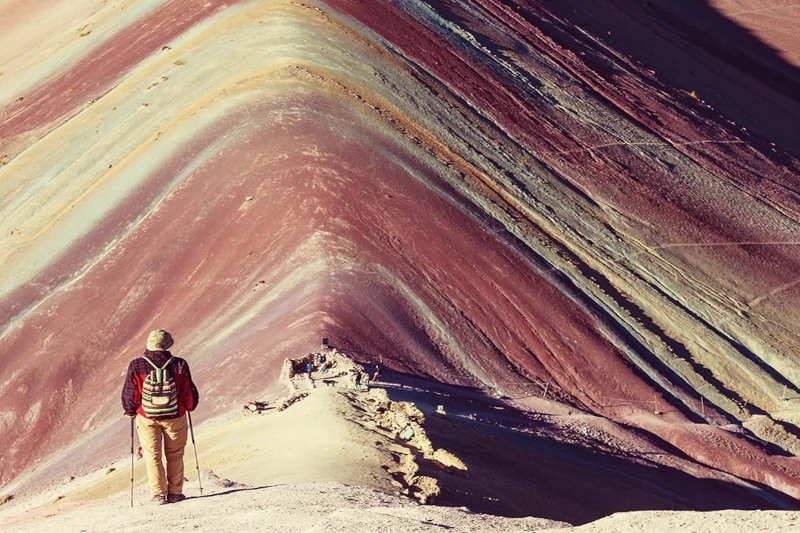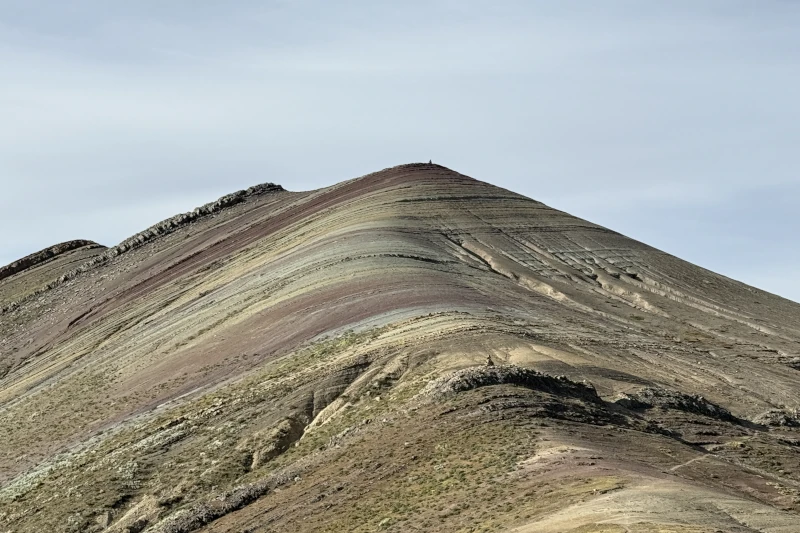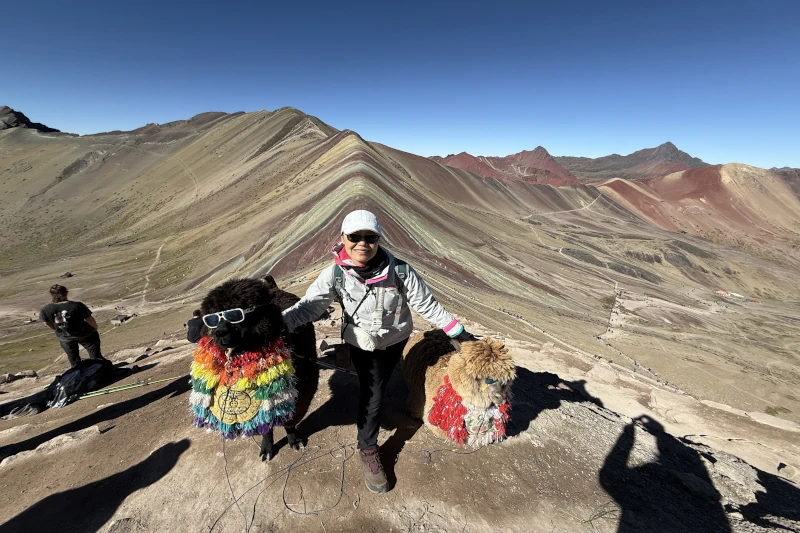
Nestled in the heart of the Andes in Peru, Rainbow Mountain, also known as Vinicunca, presents an awe inspiring spectacle that draws travelers from every corner of the globe. Its vivid stripes of color, reminiscent of a rainbow splashed across the mountainside. These colors are caused by mineral deposits in the mountain. Giving a visual feast and a testament to nature’s artistry.
This natural wonder is not only a destination but an experience that beckons adventurers and photographers alike. However, embarking on a journey to Rainbow Mountain requires more than just enthusiasm; it demands careful preparation.
From grappling with high altitudes to navigating unpredictable weather and logistical hurdles, being well-prepared is crucial. We, Rober and Lety, have traversed this path and are here to offer you a comprehensive guide to ensure your journey is as seamless and rewarding as possible.

Rainbow Mountain towers at an impressive altitude of approximately 5,200 meters (17,060 feet) above sea level, posing a significant challenge to those unaccustomed to high altitudes. Equally challenging as other locations like the Palccoyo rainbow mountain. In both cases the key to a successful trek lies in understanding and respecting this formidable elevation.
At this altitude, the air becomes thin, resulting in reduced oxygen levels. This can lead to altitude sickness, a condition that can manifest as headaches, dizziness, nausea, and shortness of breath. Symptoms vary from person to person, and even the fittest individuals can be affected. It’s crucial to recognize these signs early and take appropriate measures to prevent them from worsening. Remember, ascending too quickly without proper acclimatization is a primary cause of altitude sickness.
The physical demands of hiking at such elevation like Vinicunca. The reduced oxygen levels can make every step feel like a monumental effort, particularly during the final ascent. It’s not just a test of physical fitness but also mental resilience. Understanding your body’s limits and knowing when to rest can make a significant difference in your overall experience. Listen to your body, take breaks as needed, and don’t rush.

The weather on Rainbow Mountain is as varied as its colors, changing rapidly and often unpredictably. Understanding these weather patterns is essential to ensure a safe and enjoyable hike.
Layering is essential for comfort and safety. Begin with a moisture wicking base layer to keep sweat away from your skin. Add a warm middle layer for insulation against the cold, and finish with a waterproof outer layer to protect against rain and wind.
Accessories such as gloves, a hat, and sunglasses are indispensable for protection against the intense sun and biting winds that are common at high altitudes.
The ability to adapt quickly to changing weather conditions is critical. Always carry a rain jacket, even during the dry season, and consider packing a lightweight down jacket for warmth. Monitoring weather forecasts before and during your trip can provide valuable insights, but always be prepared for the unexpected.

Packing the right gear can make a significant difference in your hiking experience. If you want to know what to pack, here is a list you can’t forget.
Carry a basic first-aid kit with essentials like bandages, antiseptic wipes, and pain relief medication. A lightweight emergency blanket can provide warmth in unexpected situations. Finally, hand warmers and extra socks can enhance comfort during cold spells.

The hike to Rainbow Mountain is as challenging as it is rewarding. Understanding the trek’s dynamics will help you navigate it successfully.
Most tours commence early in the morning, with a drive from Cusco region to the trailhead. The hike spans approximately 10 kilometers (6.2 miles) round trip and typically takes about 3-4 hours, though this can vary based on your pace and acclimatization level. Starting early maximizes your chances of clear weather and fewer crowds, enhancing the overall experience.
The trail is well marked but can be steep and strenuous, particularly the final ascent to the viewpoint. The terrain varies from dirt paths to rocky sections, requiring careful navigation. Along the way, you’ll encounter diverse landscapes, from lush valleys to barren high-altitude plains, each offering unique opportunities for photographing Vinicunca.
For those who find the hike particularly challenging, horses are available for hire, allowing you to enjoy the scenery without the strain of walking the entire way. Local guides provide valuable insights and support, ensuring a safer and more informed trek. Engaging with them can enhance your understanding of the region’s natural and cultural significance.
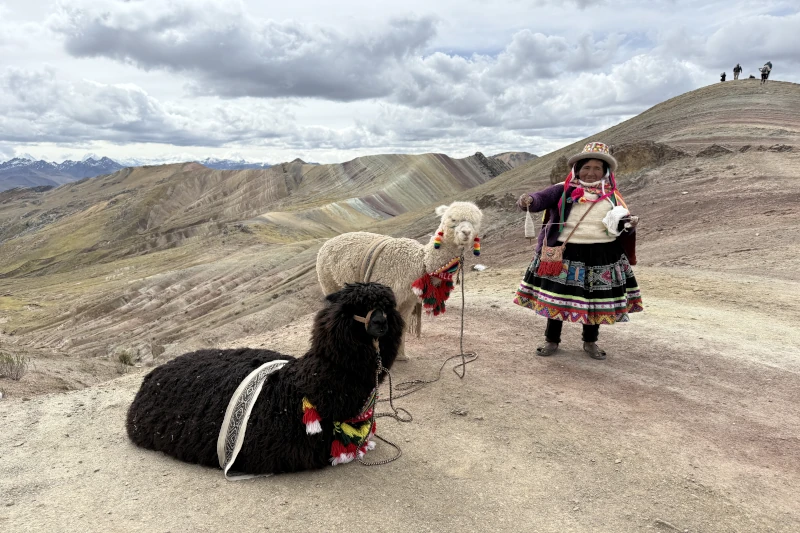
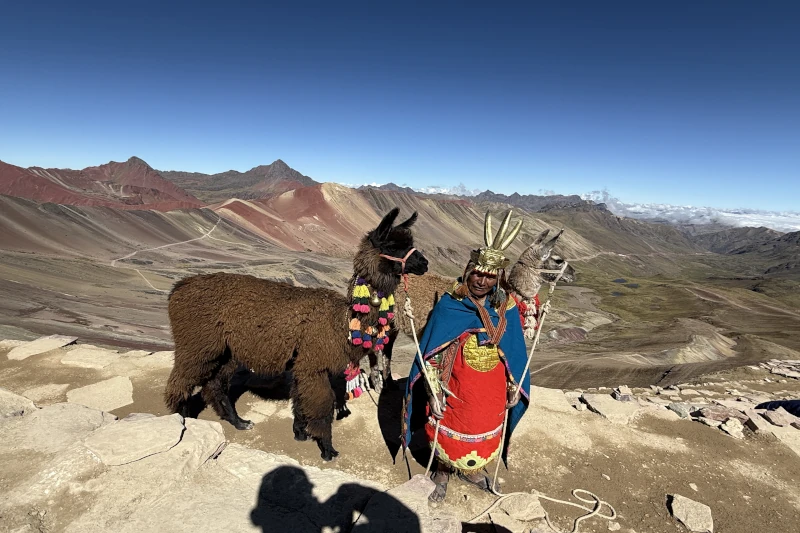
Rainbow Mountain is not just a marvel of nature; it is a tapestry of cultural significance woven by the indigenous communities who call this region home. Engaging with the local culture adds depth to your journey.

Understanding and respecting cultural norms is crucial. Dress modestly, particularly in villages, and respect local traditions and customs. Engaging with respect and curiosity leads to more enriching experiences and lasting memories.
Visiting Rainbow Mountain is more than a trip; it’s a transformative experience that demands preparation, respect, and an open heart. With this guide, we hope you are equipped to embark on an adventure filled with breathtaking views in the Andes. Whether you’re a corporate executive seeking a well-organized escape, a freelance photographer in search of unique shots, or an academic researcher delving into cultural insights..
Remember, the key to a successful journey lies in preparation and respect for both the environment and the vibrant cultures that surround this natural wonder.