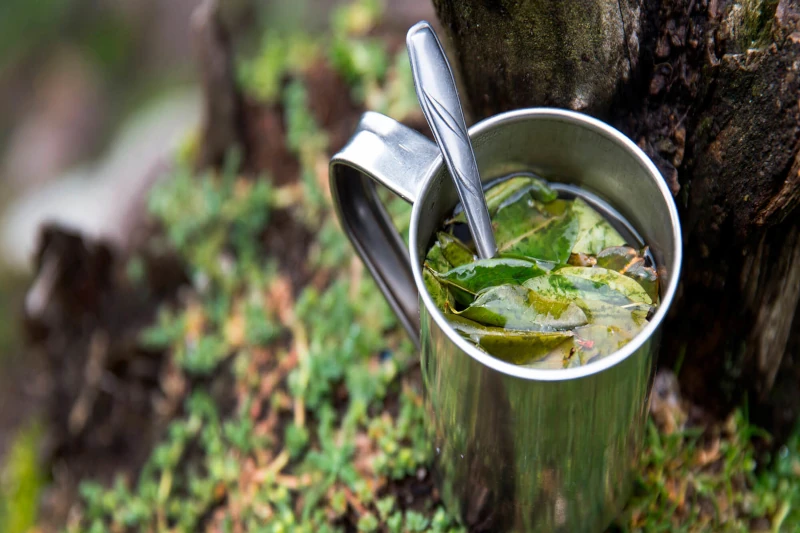
In this article, we explore the benefits of coca leaf tea, its cultural importance, and how to prepare and enjoy this ancient remedy while traveling. Whether we travel to the high Andes or simply want to learn about this traditional drink, we will find helpful tips to enrich our journey.
Altitude sickness, or acute mountain sickness (AMS), happens when you climb to high places too fast, where the air has less oxygen. This lack of oxygen can disrupt the body’s equilibrium, leading to a range of symptoms.
Common symptoms include headaches, nausea, tiredness, and shortness of breath. If we ignore these signs, it can worsen and cause serious problems like high altitude pulmonary edema (HAPE) or high altitude cerebral edema (HACE).
Many travelers to Cusco and nearby areas face these symptoms. It is important to find good ways to acclimate and enjoy the trip. Altitude sickness can affect anyone, but certain factors increase the risk.
These include rapid ascent without proper acclimatization, physical exertion at Cusco altitude, and pre-existing respiratory or cardiovascular conditions. Understanding these risk factors is crucial for planning a safe and enjoyable trip.
Preventing altitude sickness involves a combination of gradual acclimatization, hydration, and appropriate nutrition. It’s advisable to ascend slowly, allowing your body time to adjust to the decreased oxygen levels.
Staying well-hydrated and consuming a balanced diet can also help mitigate symptoms. For those who feel symptoms, coca leaf tea offers a natural and effective way to ease discomfort and help the body adjust.

Coca leaf tea is highly esteemed in the Andes for its ability to combat altitude sickness. Coca leaves contain alkaloids that boost oxygen absorption in the blood, helping relieve headaches and tiredness. This natural boost in oxygen delivery can significantly enhance your overall well-being when navigating high altitudes.
Besides helping with altitude sickness, coca tea boosts energy, aids digestion, and provides key nutrients like calcium and vitamins A and B2. Drinking coca tea regularly can boost stamina and endurance.
That’s why many trekkers and adventurers in the region choose it. It also acts as a gentle digestive aid, helping to soothe the stomach and promote better nutrient absorption.
The coca leaf holds a sacred place in Andean culture. For centuries, indigenous communities have used coca tea for healing and in spiritual ceremonies.People often offer coca leaves to Pachamama, the earth goddess, to honor the land and ask for health and prosperity.
When we travel through Peru, we will see coca leaves sold in local markets and offered in many places as a warm welcome and wish for good health.
Besides its spiritual role, coca has long been a symbol of resistance and strength for indigenous people. They use it to preserve their culture and identity. People often chew coca leaves during traditional gatherings and celebrations to build community and share their heritage.
By drinking coca leaf tea, travelers can connect with these traditions and better appreciate the Andean way of life.
It’s important to know that coca leaves are legal and commonly used in countries like Peru and Bolivia. However, they are illegal in the United States and many other countries because of their link to cocaine production.
However, the amount of cocaine alkaloid in coca tea is minimal and not enough to produce any psychoactive effects. When consumed naturally, coca leaf tea is safe and non-addictive. It offers a responsible option for travelers looking for natural remedies.
Despite legal limits in some countries, coca leaf tea remains a key part of Andean culture and traditional healing. It is crucial for travelers to respect local customs and regulations while enjoying the benefits of this ancient beverage.
Understanding the legal context and safety considerations can help you navigate your journey with confidence and cultural sensitivity.
Preparing coca leaf tea is a simple process that requires minimal ingredients and tools. To make a delicious cup of coca tea, you need a handful of dried coca leaves, boiling water, and optional sweeteners like sugar or honey.
The quality of coca leaves matters. Buying from trusted local markets or shops ensures an authentic experience.
Place the coca leaves: Begin by placing a handful of coca leaves in a cup or teapot. You can adjust the amount based on your taste and the flavor strength you want.
Add boiling water: Pour boiling water over the leaves and let them steep for about 5 to 10 minutes. The steeping time can be varied to achieve the desired strength, with longer steeping resulting in a more robust flavor.
Strain and enjoy: After steeping, strain the leaves from the liquid to prevent any bitterness. Sweeten the tea with sugar or honey if desired, and savor the warm, earthy flavors that coca tea offers.
In Cusco and other Peruvian regions, you can purchase organic coca tea in local markets or shops. Many hotels and guesthouses serve coca leaf tea for free to help guests acclimate to the altitude.
Visiting these local places lets us talk with vendors and learn more about the cultural meaning of coca tea. Organic options ensure that the tea is free from pesticides and chemicals, aligning with sustainable and ethical practices.

Traveling to Cusco, the gateway to Machu Picchu and the Sacred Valley, requires thoughtful preparation. It sits over 3,350 meters above sea level. That’s why we should spend a few days there to acclimate and enjoy its rich culture and history before going higher.
Preparing for your arrival involves packing suitable clothing, planning your schedule, and understanding local customs to ensure a smooth and enjoyable experience.
Machu Picchu, a New Seven Wonder of the World, reveals the ancient Inca’s skill and impressive architecture. Its mysterious ruins and breathtaking landscapes attract travelers worldwide, offering a window into the rich history and spirit of the Inca civilization.
The Sacred Valley, full of history and natural beauty, offers many chances to hike, visit traditional villages, and experience indigenous culture. From Moray’s terraced fields to Pisac’s lively markets, the Sacred Valley is full of cultural and natural treasures.
Cusco City: Wander through its cobblestone streets, visit the Plaza de Armas, and explore the historic San Blas neighborhood. This city have ancient history and modern life coexist, providing a unique backdrop for exploration and discovery.
Stay Hydrated: Drink plenty of water to help your body acclimate. Hydration is key to maintaining energy levels and supporting body functions at high altitudes.
Pace Yourself: Take it easy on your first few days to allow your body to adjust. Gradual acclimatization is essential for reducing the risk of altitude sickness and ensuring a comfortable experience.
Eat Light: Avoid heavy meals, especially in the evening, to minimize digestive strain. A balanced diet rich in carbohydrates can provide the energy needed for exploration.
Try Local Remedies: Besides coca leaf tea, other local remedies like muña tea can also assist in altitude acclimation. These herbal infusions offer natural support for respiratory and digestive health.
Do not hesitate to give us a call. We are an expert team and we are happy to talk to you.