Nestled in the heart of Peru, Manu National Park is a testament to nature’s splendor and a beacon of biodiversity. The park’s inception was founded on the principles of preservation and respect for nature. This marked a significant milestone in Peru’s conservation efforts.
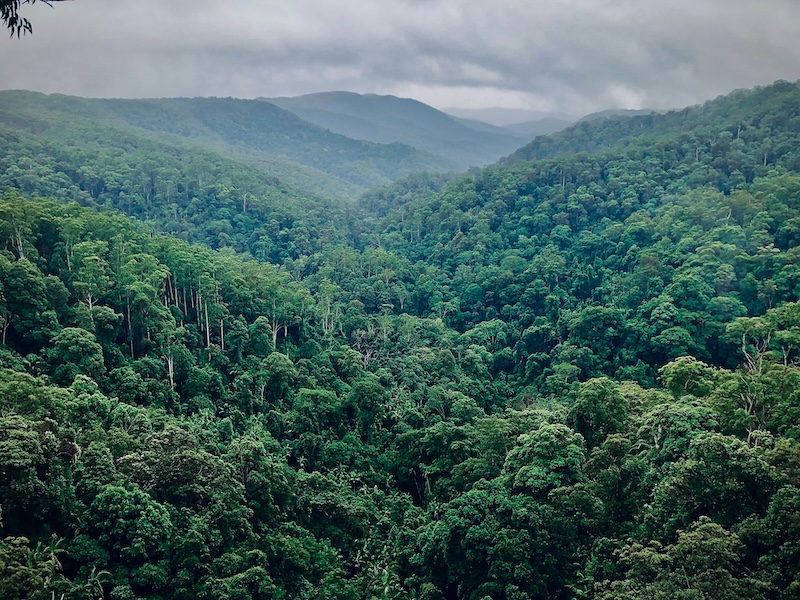
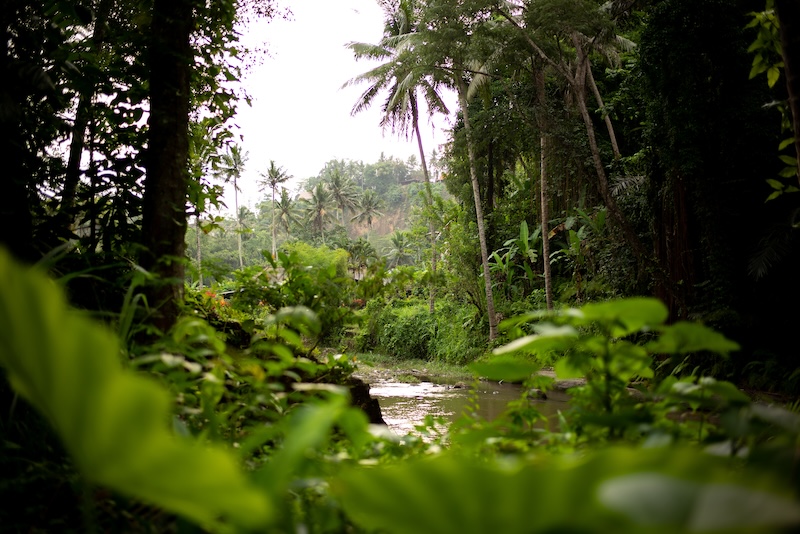
Its geographic tapestry weaves through lush rainforests, cloud-wrapped peaks, and expansive Andean grasslands. This showcases a landscape as diverse as the life it cradles. This rich natural inheritance is Peru’s pride, offering sanctuary to countless species and ecosystems.

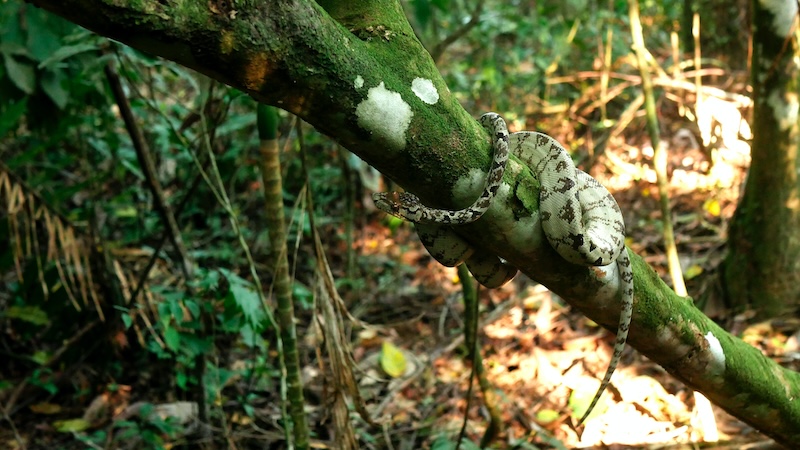
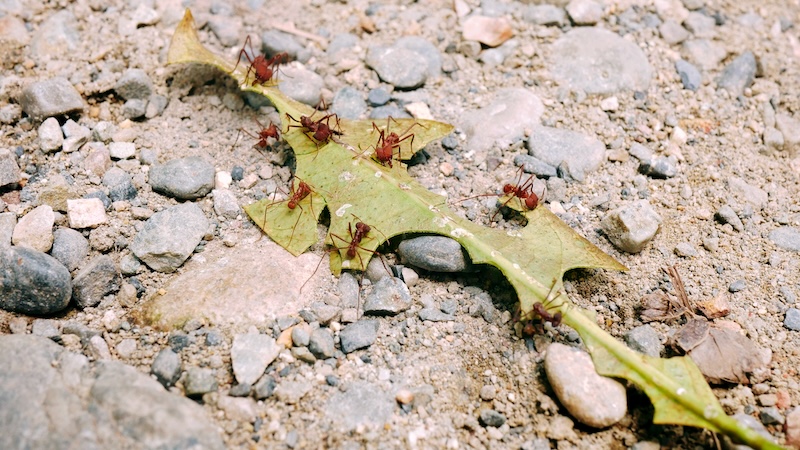
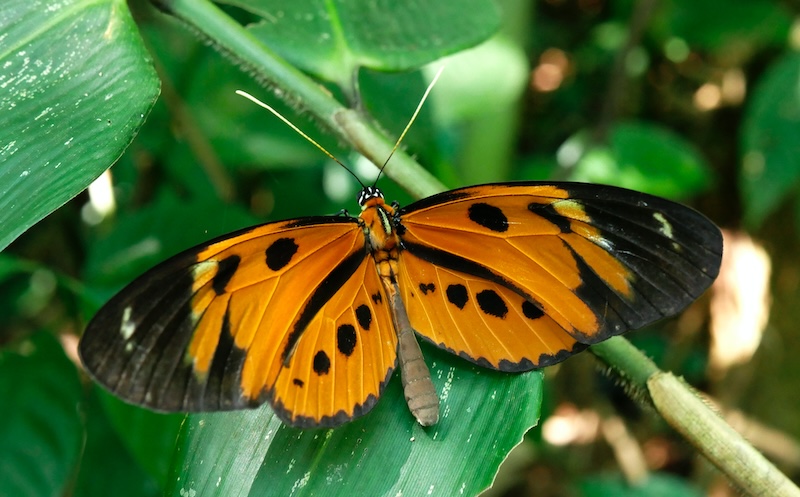
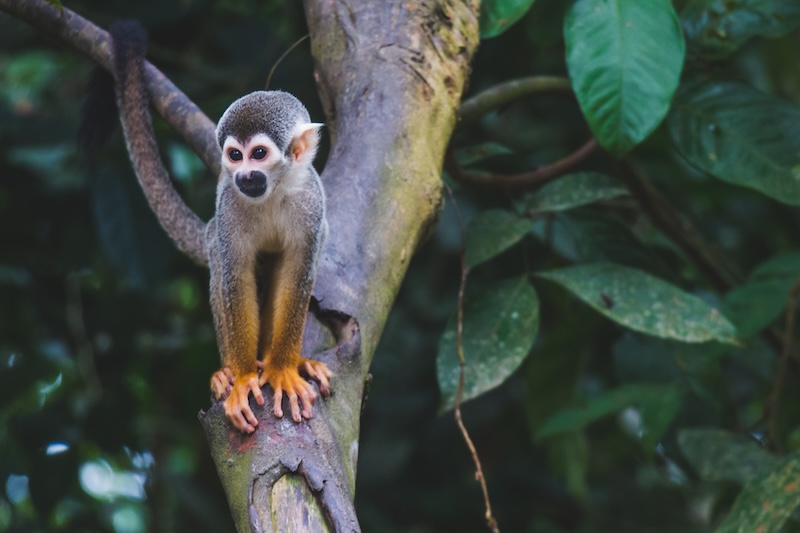
Within its boundaries, Manu is a living library of flora and fauna, boasting an array of species that paint a vibrant picture of life in all its forms. Home to creatures both widespread and wholly unique to this corner of the globe, the park serves as a critical habitat. Its commitment to safeguarding these life forms is a powerful statement in the fight against global biodiversity loss.

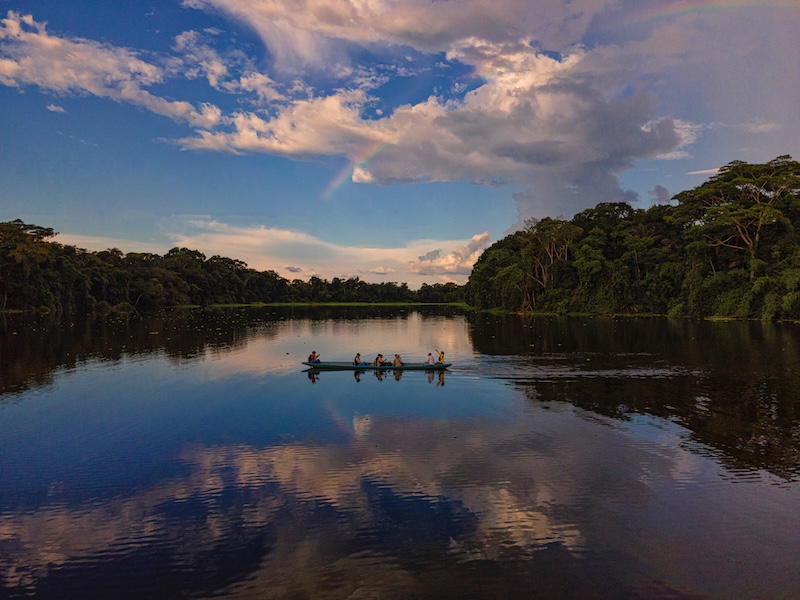
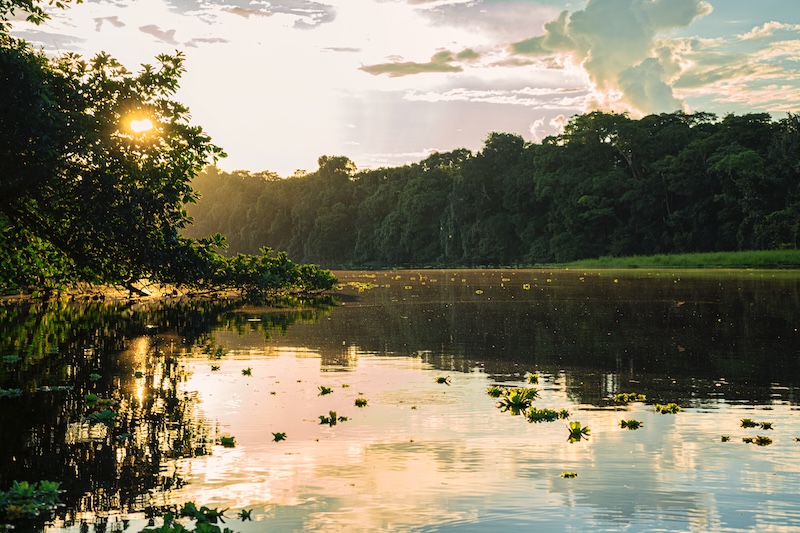
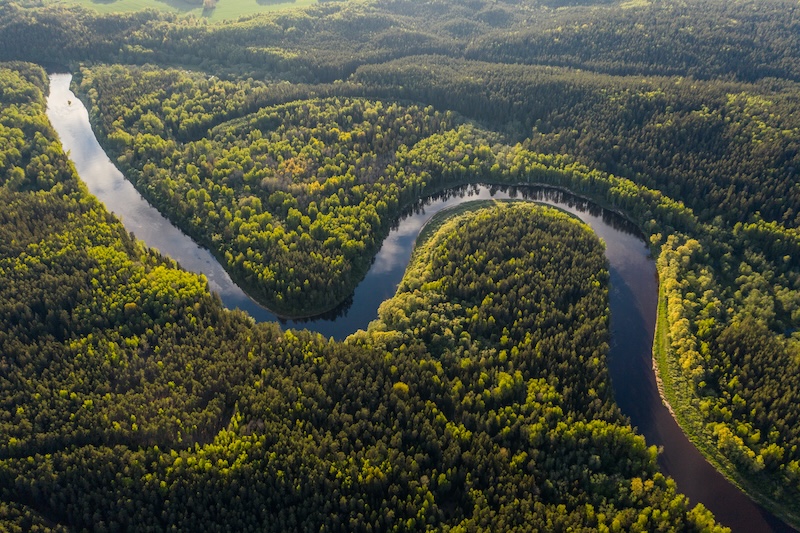
Manu National Park is a complex mosaic of ecosystems. It spans from the dense tropical rainforests to the mystical cloud forests and sprawling Andean grasslands. Each environment is intricately linked, creating a life-sustaining symphony of ecological interactions. The Manu River courses through this landscape, a lifeline that shapes and nourishes the park’s diverse habitats.

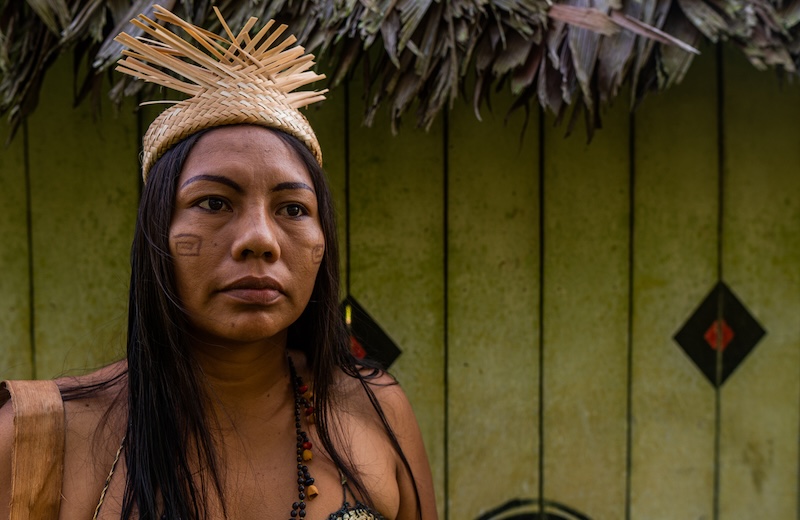
The park is also a cultural stronghold, home to indigenous tribes whose traditions and lifestyles have been interwoven with the land for centuries. These communities stand as guardians of the forest, their existence a delicate balance between ancestral customs and the pressures of a modernizing world.

Manu is not just a sanctuary but a dynamic research hub where science meets conservation. Researchers and conservationists toil alongside one another, unveiling the park’s secrets while developing strategies to protect its future. This collaborative spirit is bolstered by local and international entities dedicated to the park’s longevity.

Yet, despite these efforts, Manu faces daunting challenges. The specters of deforestation, climate change, and illegal activities threaten its integrity. The task of reconciling the needs of tourism, community livelihoods, and conservation is an ongoing struggle. It requires innovative solutions and steadfast commitment.

Ecotourism emerges as a beacon of hope in this context, promising a sustainable coexistence between humans and nature. The park invites visitors to immerse themselves in its wonders while also contributing to the local economy and conservation efforts. But this delicate balance hinges on responsible tourism practices that honor the park’s fragility.

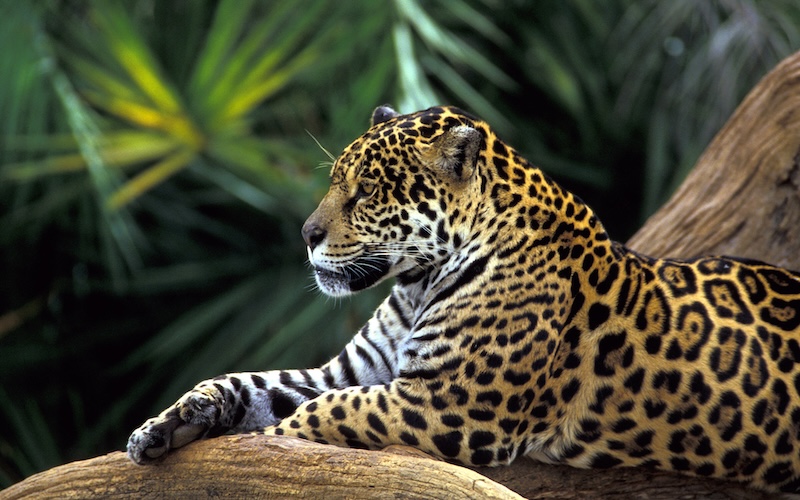
For those who walk its paths, Manu offers intimate encounters with wildlife, each sighting a story etched in the memory of the beholder. The park’s inhabitants, from the elusive jaguar to the vividly plumed birds, become ambassadors of a world that demands our reverence and protection.

The park’s flora is as remarkable as its fauna, with plants that weave through the fabric of the ecosystem. Some stand as silent sentinels of the forest, while others play a vital role in the health and heritage of the indigenous communities, serving as sources of medicine and tradition.

Manu invites the intrepid and the curious to explore its depths through various activities that range from serene birdwatching excursions to adrenaline-fueled river expeditions. Each journey within its borders promises a unique adventure that resonates with the heart of the wild.

The park is not just a natural wonder but also a crucible of history. Ancient civilizations have left their mark upon this land, and their legacy continues to inform the present, offering insights into a past that shaped the very landscape of Manu.

For those called to explore Manu, preparation is key. Understanding what to bring, how to behave, and the regulations in place ensures that the park remains pristine for future generations to cherish.

Looking forward, Manu stands at a crossroads. The path it takes will be carved by the efforts of those who value it as a source of knowledge, a haven for wildlife, and a repository of culture. Education and community engagement are the cornerstones of a vision that sees Manu not just as a park, but as a symbol of hope for the natural world.
Manu National Park is more than a destination; it is a profound reminder of our place in the tapestry of life, urging us to act with foresight and dedication to preserve the splendor of our planet.