Sacred Valley Peru: Inca History, Culture & Travel Guide

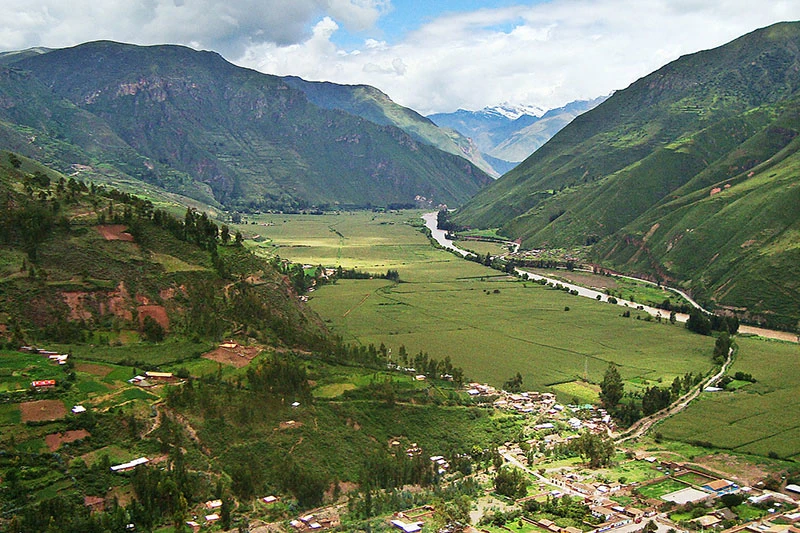
The Sacred Valley, known as “Valle Sagrado” in Spanish, is a fertile region that was once the heartland of the Inca Empire. Stretching from Cusco to Machu Picchu, the valley is full of archaeological sites, traditional villages, and stunning scenery. As you traverse this historical corridor, you’ll find that each town and site has its unique story and significance.

The Sacred Valley features diverse landscapes, from lush green valleys to rugged mountain terrain. The Urubamba River winds through the valley, providing water to the fertile lands that have sustained agriculture for centuries. The climate varies by altitude, with warmer temperatures in the lower valleys and cooler conditions in the higher elevations. This diversity creates distinct microclimates that have historically supported various forms of agriculture.

The Sacred Valley was vital to the Inca civilization because of its fertile soil and strategic location. It was a key agricultural hub that supplied food for the Inca Empire. The valley of the incas was also a center for religious and cultural activities, with numerous temples and ceremonial sites scattered throughout. Knowing the valley’s history helps you appreciate its archaeological sites and the ingenuity of the Inca people.

sacred valley peru

Starting Your Journey in Cusco

Your journey begins in Cusco, the former capital of the Inca Empire and a UNESCO World Heritage site. The city’s charm lies in its blend of ancient Inca and colonial Spanish architecture. Begin at Cusco’s Plaza de Armas, where you can admire the Cathedral and the Church of La Compañía de Jesús. Cusco’s vibrant streets are a testament to its rich past and dynamic present.

Cusco’s historical landmarks are a testament to its past glory. The Cathedral, with its elaborate baroque architecture, houses important colonial-era artworks and altars. Meanwhile, the Church of La Compañía de Jesús stands as a symbol of the Jesuit influence in the region. Each structure tells a story of the cultural and religious amalgamation that has shaped Cusco over the centuries.

Cusco is famous for its historical sites and its delicious local cuisine. The local cuisine is a fusion of traditional Andean ingredients and Spanish influences. Taste dishes like ceviche, lomo saltado, and traditional guinea pig (cuy) to experience the region’s rich culinary heritage. Visiting local markets and dining in traditional restaurants offers an authentic taste of Cusco’s gastronomy.

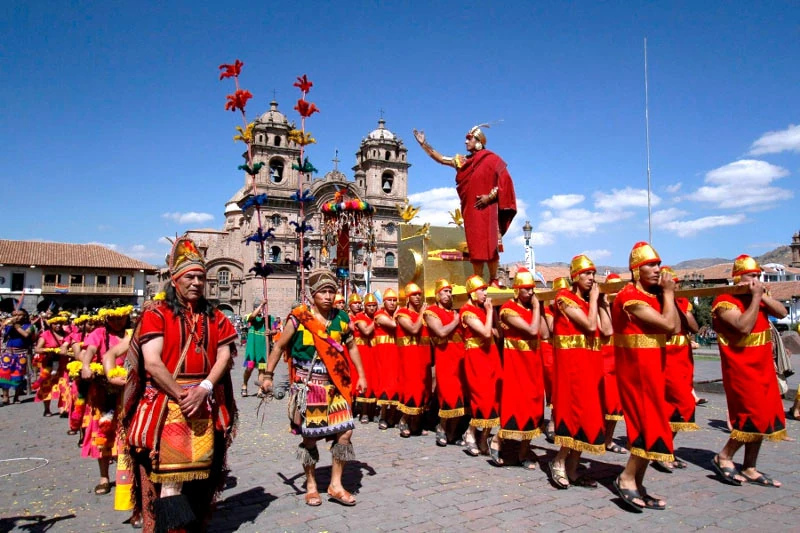
Cusco’s cultural vibrancy is best experienced through its festivals and local events. The Inti Raymi, or Festival of the Sun, takes place in June and features traditional music, dance, and rituals. Other festivals in Cusco, such as the Corpus Christi and Santurantikuy, highlight the city’s religious and cultural diversity. Participating in these events offers a deeper understanding of the cultural significance of Cusco and its people.

sacred valley peru

Sacsayhuaman Fortress

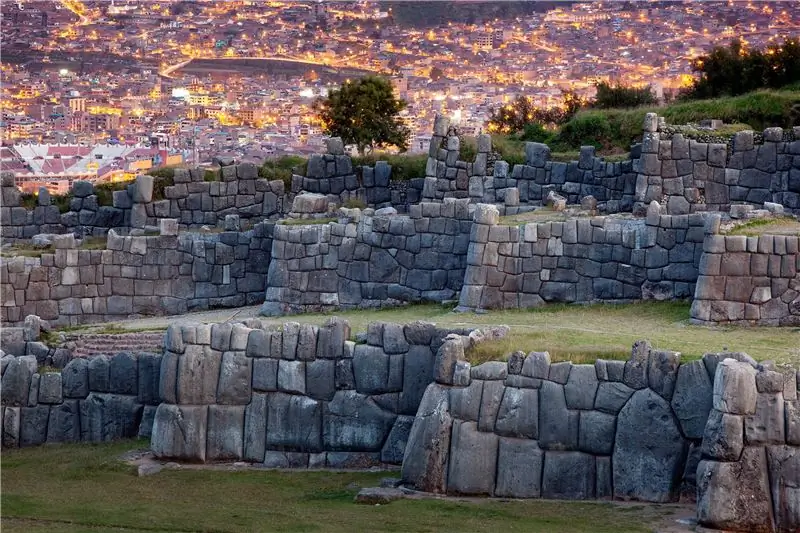
Just a short drive from Cusco, you’ll find the impressive ruins of Sacsayhuaman. This massive fortress is renowned for its enormous stone walls, some weighing up to 200 tons. As you wander through the site, imagine the grandeur of the Inca ceremonies that once took place here. The fortress’s strategic location and architectural prowess make it a marvel of Inca engineering.

Sacsayhuaman’s architecture is an impressive feat, with its precisely cut stones fitting together without mortar. The Incas designed the zigzag walls to symbolize a puma’s teeth, a sacred animal in their mythology. This fortress not only served a defensive purpose but also played a significant role in religious and ceremonial activities. Each stone and structure holds a piece of the Inca’s architectural genius.

Historically, Sacsayhuaman was a critical site for the Incas, serving both military and ceremonial functions. It was the backdrop for the Inti Raymi festival, where the Incas celebrated the winter solstice. The fortress also played a role in the defense of Cusco during the Spanish conquest, highlighting its strategic importance. Understanding its historical context provides a deeper appreciation for its significance.

Visitors to Sacsayhuaman can explore its expansive grounds and enjoy panoramic views of Cusco and the surrounding valley. Guided tours offer insights into the site’s history and architectural techniques. The site hosts local festivals and events, offering a chance to see modern celebrations in an ancient setting.

sacred valley peru

Chinchero Village

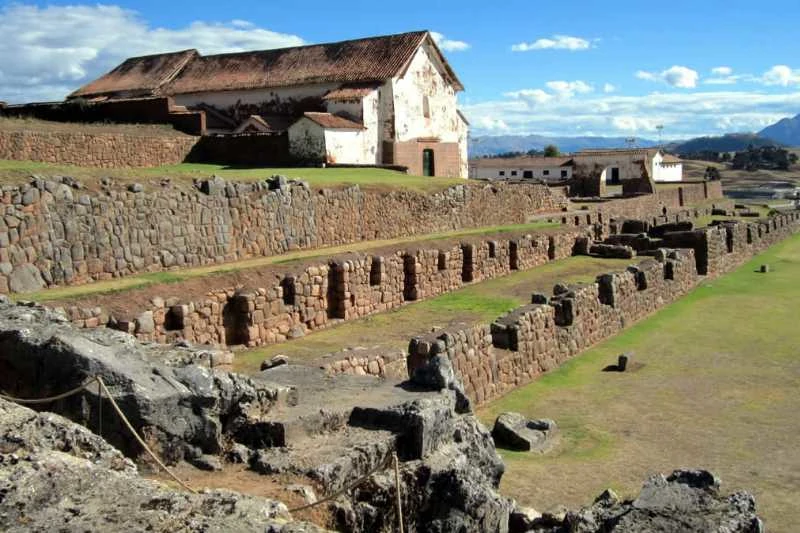
Next, head to the picturesque village of Chinchero, often referred to as the birthplace of the rainbow. Chinchero, famous for its lively Sunday market, lets you see traditional Andean weaving. The village has a colonial church built on Inca foundations, providing a glimpse into the region’s layered history.

Chinchero is renowned for its traditional weaving techniques, passed down through generations. Local artisans use natural dyes and hand-spun wool to create intricate patterns and designs. At a weaving cooperative, travelers can learn the cultural importance of Andean textiles and watch skilled artisans at work.

Chinchero’s history is a blend of Inca and colonial influences. The village church, with colonial architecture, sits atop Inca ruins, symbolizing the region’s cultural fusion. The Sunday market showcases local crafts, produce, and traditional clothing, offering visitors an immersive cultural experience.

Engaging with the local community in Chinchero provides a deeper appreciation for the region’s traditions and way of life. Cultural workshops like pottery or cooking let travelers connect with locals and learn about their daily lives. These interactions enrich the travel experience and foster a greater understanding of Andean culture.

sacred valley peru

Moray Terraces

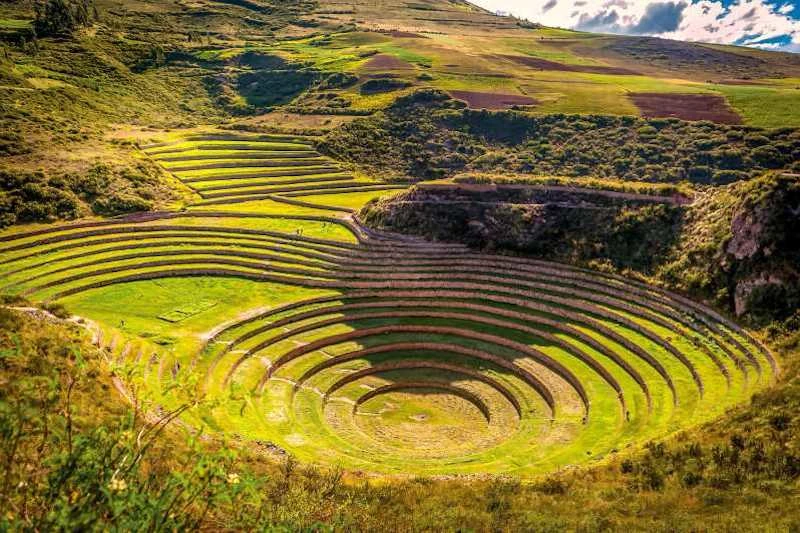
After a short drive from Chinchero, you’ll encounter the enigmatic circular terraces of Moray. This archaeological site likely served as an Inca agricultural lab, where they tested crops in varied microclimates. Its concentric terraces create a striking visual and showcase the Incas’ advanced farming techniques.

Moray’s circular terraces are a unique design, with each level creating a different microclimate. This design allowed the Incas to study the effects of temperature and altitude on crop growth. The site’s innovative design highlights the Inca’s advanced understanding of agriculture and their ability to adapt to challenging environments.

Moray’s agricultural innovations helped the Inca Empire diversify crops and boost food production. The site illustrates the importance of agriculture in sustaining the empire and its people. Understanding the significance of these innovations provides a deeper appreciation for the Inca’s ingenuity and resourcefulness.

Visitors to Moray can explore the terraces and discover the site’s historical significance on guided tours. Its remote location offers a peaceful, reflective escape from crowded tourist areas. Capturing the beauty of the terraces and their surrounding landscapes is a highlight for photographers and nature enthusiasts.

sacred valley peru tour

Maras Salt Mines

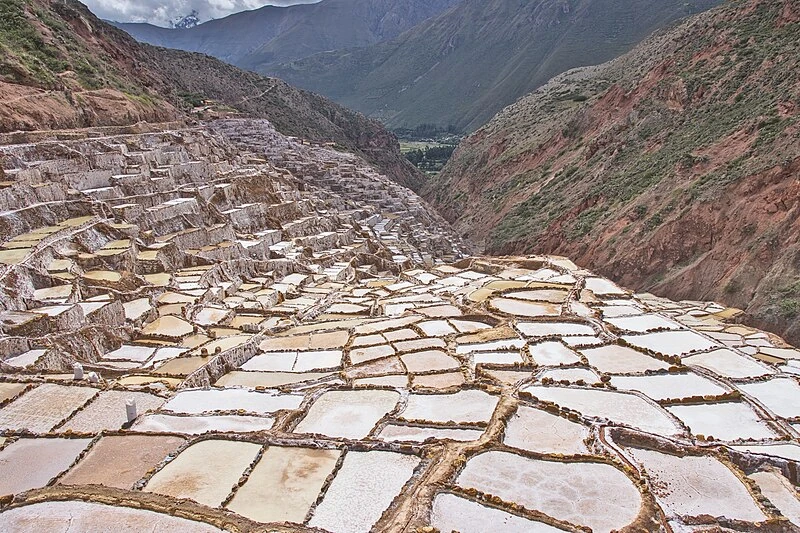
Near Moray, locals have harvested salt at the Maras Salt Mines since pre-Inca times, creating a unique and photogenic site. The thousands of salt pools cascading down the mountainside create a dazzling mosaic of white and pink hues. Photograph the stunning landscape and discover the traditional salt extraction still practiced by local families today.

Local families have used the Maras salt mines for centuries, maintaining traditional extraction methods.Water from a subterranean stream is channeled into the salt ponds, where it evaporates, leaving behind the salt. This age-old tradition shows the region’s enduring heritage and the community’s close connection to the land.

The salt mines are not only a tourist attraction but also a vital economic resource for the local community. Local families sell the harvested salt in markets and use it for cooking, medicine, and other purposes. Understanding the economic significance of Maras provides insight into the challenges and opportunities facing rural communities in the Sacred Valley.

Travelers to Maras can explore the salt mines and learn about the extraction process through guided tours. The site offers stunning photographic opportunities, with the salt ponds creating a mesmerizing landscape. Support the local community by buying salt and handmade goods from nearby market stalls.

sacred valley peru

Inca Ruins in the Sacred Valley

The Incas built remarkable ruins throughout the Sacred Valley, offering a window into the past. Each site tells a story of ingenuity, spirituality, and the enduring legacy of the Inca civilization. Exploring these ruins provides a deeper understanding of the Inca’s architectural prowess and cultural achievements.

Many Inca ruins served as important spiritual and ceremonial centers. Temples, sun dials, and sacred stones reflect the Incas’ deep connection to nature and the cosmos. Understanding the spiritual significance of these sites offers insights into the Inca’s worldview and their relationship with the environment.

The architectural achievements of the Incas are evident in the precision and complexity of their structures. From Sacsayhuaman’s massive stone walls to Pisac’s intricate terraces, each site showcases the Incas’ advanced engineering. Visiting these architectural marvels offers a glimpse into the sophistication of Inca civilization.

The Incas’ enduring legacy shows in the preservation of their cultural and historical sites. These ruins continue to captivate visitors, offering a tangible connection to a bygone era. Learning about the Inca legacy deepens appreciation for their historical contributions and lasting impact on the region.

Ollantaytambo

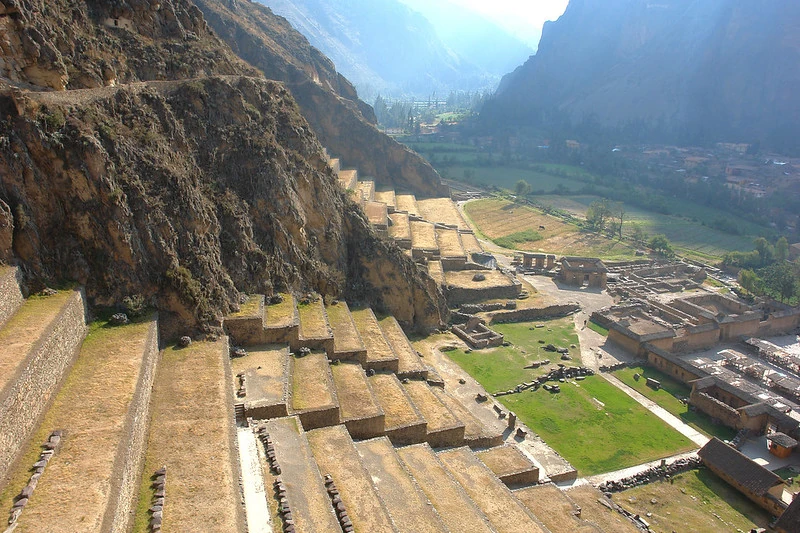
The village of Ollantaytambo is a highlight for many travelers. This ‘living Inca village’ keeps its original layout, with cobblestone streets and traditional stone houses. The impressive fortress overlooking the town was the site of a major battle between the Incas and Spanish conquistadors. Climb the terraces for panoramic views of the valley and imagine the strategic importance of this stronghold.

Ollantaytambo is notable for its role in the resistance against Spanish conquest. The fortress served as a stronghold for the Inca leader Manco Inca, who successfully repelled Spanish forces. The site’s history reflects the resilience and bravery of the Inca people in times of conflict.

Ollantaytambo’s village life offers a glimpse into traditional Andean culture. The community maintains its cultural heritage through festivals, crafts, and daily practices. 

Visitors to Ollantaytambo can explore the fortress, where terraces and temples reveal Inca engineering and religious practices. The surrounding landscapes provide breathtaking views and opportunities for hiking and exploration. The village’s unique charm and historical importance make it a must-visit destination in the Sacred Valley.

sacred valley tour

Pisac

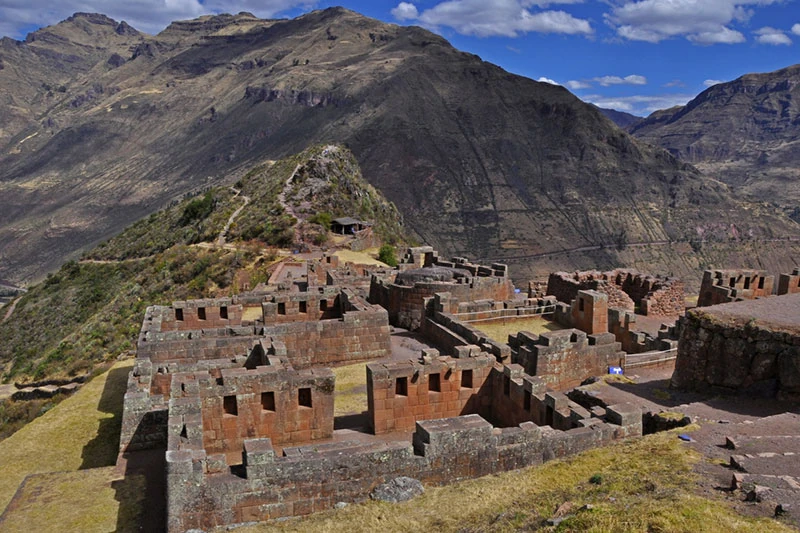
Pisac is another must-visit site, famous for its well-preserved Inca ruins perched high on a hilltop. The site features agricultural terraces, ceremonial baths, and a sun temple, all offering breathtaking views of the surrounding valley. Don’t miss the vibrant Pisac Market in the town below, where you can shop for artisanal crafts and sample local delicacies.

The ruins of Pisac are a testament to the Inca’s architectural and agricultural ingenuity. The Incas farmed the terraces and built ceremonial baths and a sun temple to practice their spiritual rituals. Exploring these ruins provides a window into the daily life and religious beliefs of the Inca civilization.

The Pisac Market is a bustling hub of activity, offering a vibrant showcase of local crafts, textiles, and produce. Visitors can browse the stalls for handmade jewelry, pottery, and traditional clothing. Tasting local treats like empanadas and fresh juices enhances the market experience and showcases Andean cuisine.

The natural beauty surrounding Pisac offers opportunities for hiking and exploration. Trails lead to scenic viewpoints and hidden ruins, providing a chance to connect with nature and escape the crowds. The combination of cultural and natural attractions makes Pisac a diverse and rewarding destination in the Sacred Valley.
sacred valley peru

Practical Travel Tips

To make the most of your Sacred Valley adventure, consider these practical tips:

The ideal time to explore Cusco and Sacred Valley is during the dry season, from May to September. The weather is cooler, and the clear skies provide excellent conditions for photography and outdoor activities. However, this is also the peak tourist season, so plan to secure accommodations and tours. Visiting during the shoulder seasons, in April or October, can offer a balance of good weather and fewer crowds.

Public transport in the Sacred Valley is limited, so renting a car or hiring a private driver makes getting around easier and more flexible. Alternatively, guided tours are available and can provide valuable insights from knowledgeable local guides. For adventure seekers, biking or hiking between sites provides a unique view and a closer connection to the landscape.

Photography in Cusco  can be a powerful tool for understanding cultural significance. Photographers can capture traditional clothing, ceremonies, and daily life to showcase the Sacred Valley’s rich heritage. Respectful engagement with local communities ensures that your photography is both meaningful and ethically responsible.

Engaging with local communities goes beyond photography; it’s about building connections and fostering mutual respect. Participate in cultural workshops, support local artisans, and learn from community members. Interacting with locals enriches your travel experience, offering insights and stories that a camera alone cannot capture.

Conclusion

The Sacred Valley of Peru takes you through time, revealing the ancient Inca world and the vibrant cultures that thrive today. Whether wandering Cusco’s lively streets or Moray’s peaceful terraces, this region offers adventure, discovery, and inspiration. The blend of historical sites, cultural experiences, and natural beauty creates a travel experience like no other.

Armed with this travel guide, you’re ready to embark on an unforgettable journey through the heart of the Inca Empire. Travel safely, and let your adventures in the Sacred Valley fill you with wonder and enlightenment.