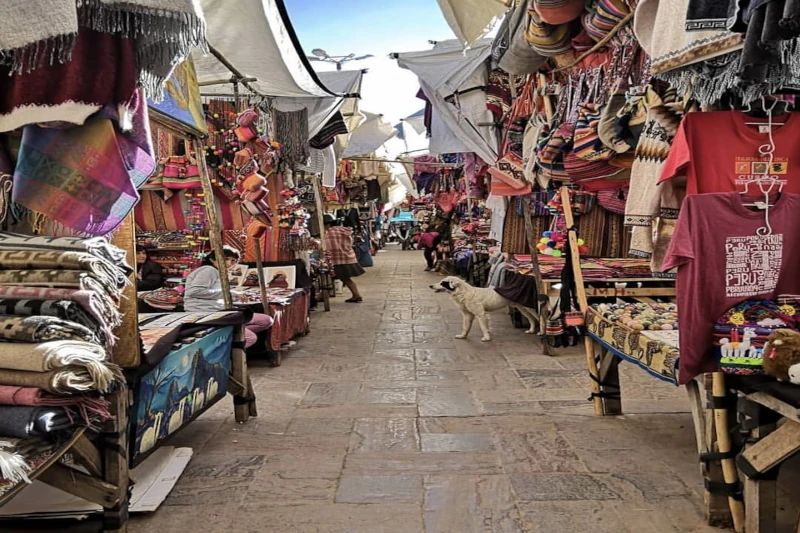
If you’re planning a trip to Peru and are looking for a unique cultural experience. The Pisaq Market should definitely be on your itinerary. Beyond the bustling stalls and vibrant displays, the market offers an intimate encounter with the local way of life.
Join us as we take you through the vibrant stalls, introduce you to the artisans, and share tips on how to make the most of your visit. Discover why this market is not just a place to shop, but a journey into the heart of Peruvian culture.

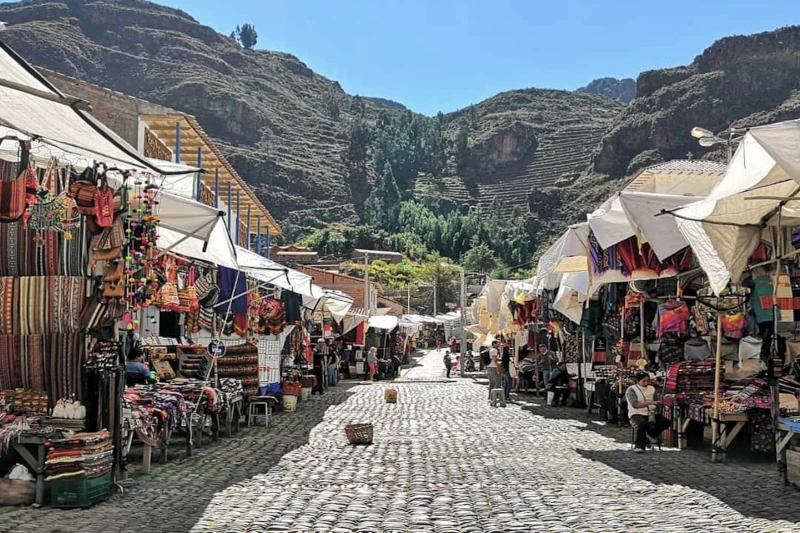
Pisaq, a small town located about 20 miles from Cusco, is renowned for its bustling market that draws both locals and travelers alike. Open every day, with a larger market on Sundays, it’s the perfect place to immerse yourself in the local culture and pick up some unique finds.
The market is a sensory delight, with its array of colors, sounds, and aromas, providing an authentic taste of Andean life. It’s a place where tradition meets commerce, and where every corner offers something new and exciting to discover.
Getting to Pisaq from Cusco is easy. This makes it a great stop on your Sacred Valley tour. You can take a bus or taxi from Cusco. The trip usually takes about an hour. The drive shows amazing Andean views. This sets the mood for your cultural adventure.
If you want a guided trip, many tour companies offer day trips. Pisaq is often a main stop. Guides share insights about the area’s history and traditions along the way.
When you arrive, the market is easy to spot. Its lively feel and bright colors draw visitors from the town’s main plaza. You can feel the energy. Vendors call out to people walking by. The air smells of fresh food and local treats. When you enter the market, you step into a world that feels both timeless and alive. It shows the lasting spirit of Andean people.

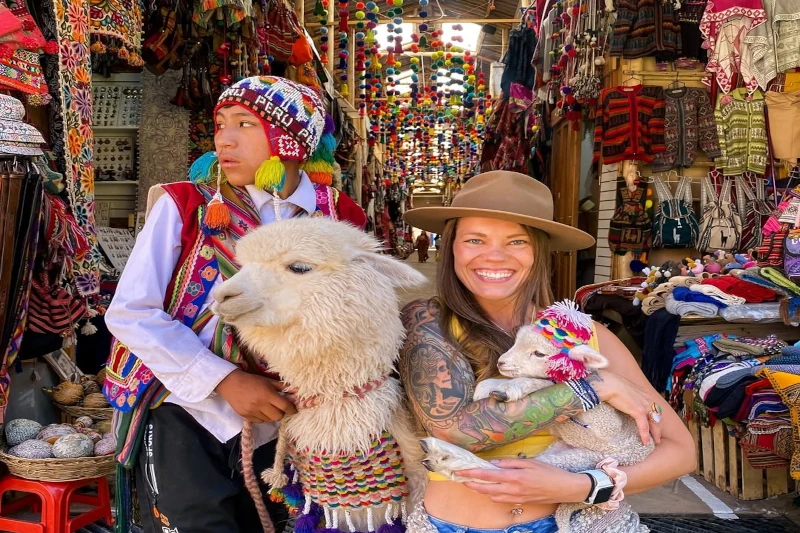
The market is a treasure trove of authentic Peruvian souvenirs, many of which are handmade by local artisans. As you wander through the stalls, you’ll find an array of items that reflect the rich cultural heritage of the region.
Each piece tells a story, from the intricately woven textiles to the meticulously crafted pottery. This offer a tangible connection to the land and its people. The market is not just a place to buy goods; it’s a place to appreciate the artistry and dedication that go into each creation.

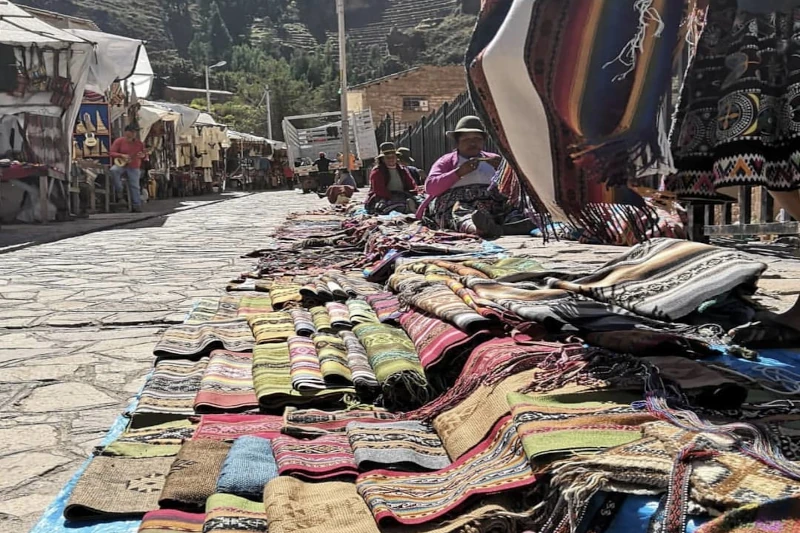
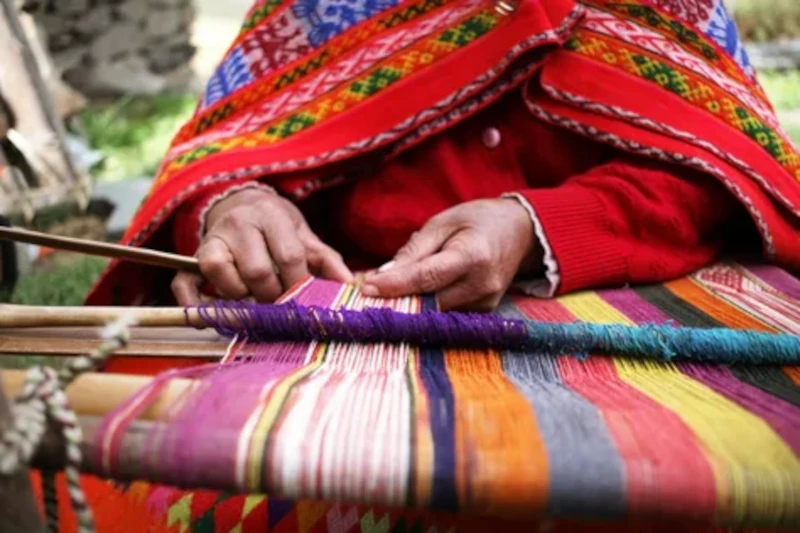
One of the highlights of Pisaq Market is its variety of handicrafts. You’ll find everything from intricately woven textiles to beautifully crafted pottery. The artisans who sell their wares at the market are often more than happy to share their stories and the techniques behind their crafts, providing a deeper appreciation for the items you’re buying. Engaging with these artisans offers a unique insight into their world, allowing you to understand the cultural significance of their work and the skills required to produce such exquisite pieces.
The textiles, in particular, are a must see. Llama and alpaca wool weaving of Pisac’s artisans,. The vibrant colors and intricate patterns are a testament to the skill and artistry of the Andean weavers. Each piece is a labor of love, reflecting the unique traditions and techniques that have been honed over centuries.
Jewelry and Gemstones
In addition to textiles and pottery, the market offers a stunning selection of jewelry. Many pieces feature semi precious stones such as lapis lazuli, sodalite, and the famed Peruvian opal. These stones are often set in silver, creating beautiful, one of a kind pieces that make for perfect gifts or personal keepsakes. The jewelry at Pisaq Market is more than just adornment; it’s a reflection of Peru’s natural beauty and the skill of its artisans.
Each piece of jewelry tells a story, from the origins of the stones to the hands that crafted them. The artisans take pride in their work, often incorporating traditional designs and motifs that carry cultural significance.
As an example they represent symbols that come for far places like the mystic Machu Picchu. While you browse through the selection, you’ll find that each piece is unique, offering a personal connection to the land and its people.
Experiencing Local Culture

Visiting Pisaq Market is not just about shopping; it’s also about experiencing the local culture and traditions. The market is a living museum, where you can observe and participate in the daily life of the Andean people. From the foods they eat to the clothes they wear, every aspect of the market offers a glimpse into the rich tapestry of Peruvian culture.
No visit to Pisaq Market would be complete without sampling some local cuisine. The market features food stalls where you can try traditional dishes such as empanadas, tamales, and the ever popular quinoa soup.
Each dish is a celebration of local ingredients and culinary traditions, In fact a taste of Peru’s diverse flavors. For the more adventurous, there’s also the chance to try cuy, or guinea pig, a delicacy in the region that has been enjoyed for centuries.
As you explore the market, take the time to engage with the locals. Whether you’re haggling over a price or learning about the history behind a particular craft, these interactions offer invaluable insights into the local way of life. The market is a social hub, where people come not just to buy and sell, but to connect with one another and share their stories.
Engaging with the vendors and artisans allows you to see beyond the surface of the market, revealing the human connections that make it such a vibrant and dynamic place. These interactions can lead to meaningful exchanges, where you learn about the challenges and triumphs of living in the Andes. By taking the time to listen and engage, you’ll leave with not just souvenirs and local crafts. Yoou will receive a deeper understanding of the culture and people who make Pisaq Market so special.

To make the most of your visit to Pisaq Market, consider the following tips. These suggestions will help you navigate the bustling environment and ensure you have a memorable and enriching experience.
While the market is open daily, Sundays are the busiest and most vibrant. On Sundays, the market expands significantly, and you’ll find even more vendors and a wider selection of goods. This is the perfect time to see the market in full swing, with its energy and excitement at their peak.
It’s also an opportunity to witness the traditional Sunday mass at the nearby church, where villagers often attend in their colorful traditional attire, adding to the cultural richness of your visit.
Bargaining is part of the shopping experience at Pisaq Market. Approach it with a friendly attitude and respect for the artisans’ work. Remember, your purchase supports local families and preserves traditional crafts. While it’s common to negotiate prices, it’s important to do so with an understanding of the value of the work and the impact of your purchase.
Bring Cash
Most vendors in the market prefer cash transactions, so be sure to bring sufficient Peruvian soles. While some may accept other currencies, having local currency will make transactions smoother. This ensures that you can easily purchase the items you desire without any hassle. Additionally, carrying small denominations can be helpful for negotiating prices and making quick transactions. Being prepared with cash allows you to fully enjoy your shopping experience and support the local economy.
Pisaq Market is more than just a shopping destination; it’s a cultural experience that offers a window into the soul of the Sacred Valley. From authentic handicrafts to engaging with local artisans, the market is a celebration of Peru’s rich heritage and a must-visit for anyone traveling through the region. It is a place where the past and present coexist, offering insights into the traditions and innovations that define the Andes.
So, whether you’re a corporate executive seeking a unique addition to your itinerary, someone passionate for photography in search of picturesque moments, or an academic researcher gathering cultural insights, Pisaq Market promises an experience that resonates long after your visit.