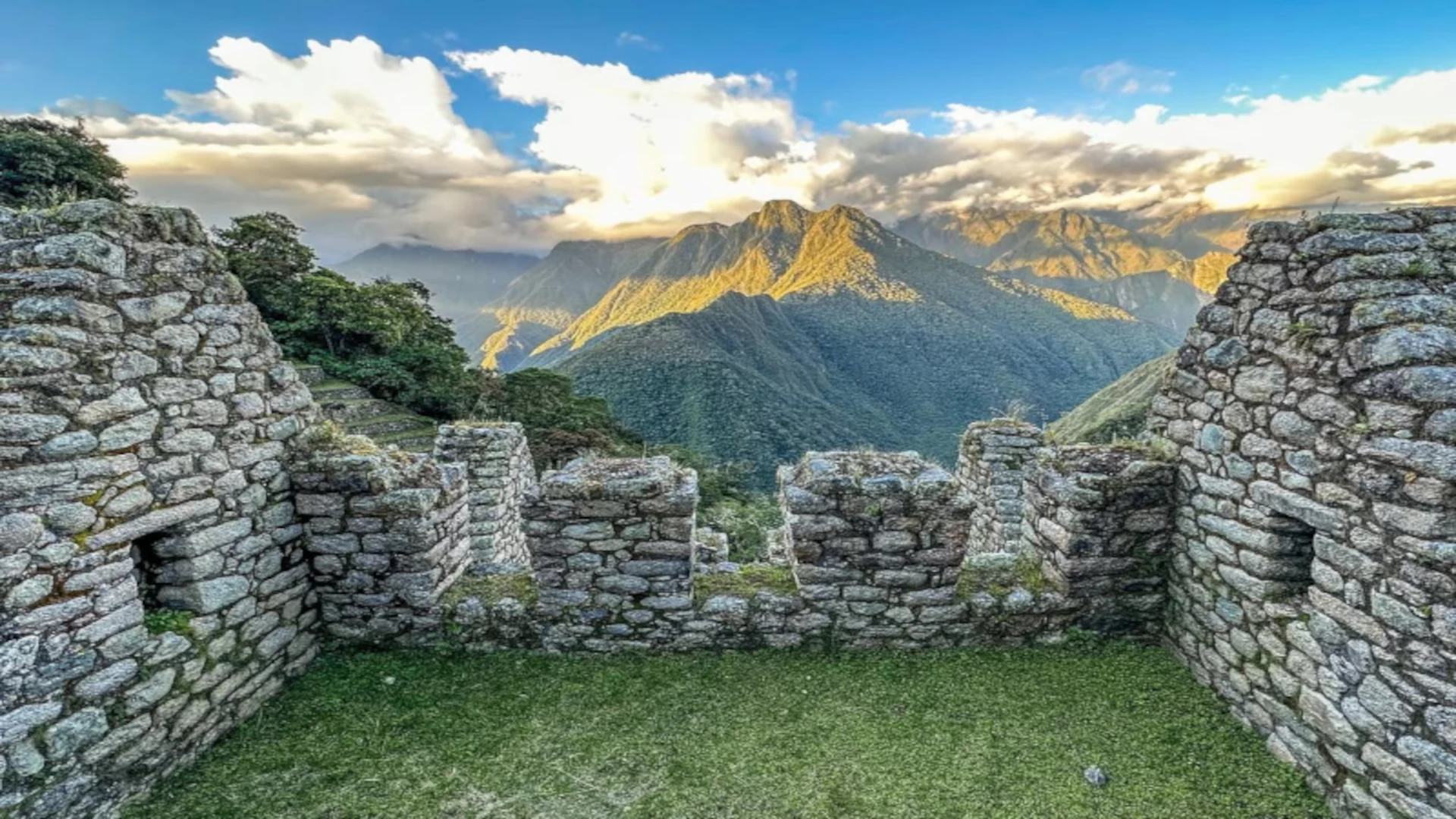
The Inca Trail, a part of the larger network of Inca roads. It stretches approximately 26 miles from the Sacred Valley to the awe-inspiring Machu Picchu. The trail weaves through diverse ecosystems, from lush cloud forests to alpine tundra. It offers hikers an unparalleled view of Peru’s natural beauty. Each season on the trail presents its unique characteristics, influencing both the environment and your hiking experience.

The dry season is often considered the best time to hike the Inca Trail. During these months, the weather is relatively stable, with minimal rainfall and clear skies. These conditions make for excellent trekking weather, with cool, crisp mornings and sunny afternoons. The lack of rain also means the trail is less muddy, providing a more comfortable hike.
The wet season brings frequent rain showers. This can make the trail challenging. However, this period offers its own unique charm. The landscape bursts into vibrant green hues, and the flora thrives, offering a different kind of beauty.
These months are a blend of the dry and wet seasons. It offers a balance between favorable weather and fewer tourists. April and October can provide a quieter, more intimate hiking experience while still enjoying relatively stable weather.
Preparation is key to a successful and memorable trek on the Inca Trail. From securing permits to selecting a tour operator and packing the right gear, every detail counts. Proper preparation not only enhances your experience but also contributes to the conservation of the trail.
The Inca Trail is a protected area, and hiking permits are required. These permits are limited. Only 500 are available per day, including trekkers and staff. It’s crucial to book your permit well in advance, especially if you plan to hike during the peak season.
Selecting the right Inca Trail tours operator can make or break your experience. Look for operators who emphasize sustainable practices. Make sure that they have a commitment to preserving the trail and its surrounding environment. Some operators offer ecotourism packages that align with conservation efforts. It provides an enriching and responsible travel experience.
Packing wisely is essential for a successful trek. Here’s a checklist of must-have items:

Starting your journey in Cusco allows you to acclimate to the altitude before hitting the trail. Spend a few days exploring this historic city, soaking in its rich culture and preparing for the adventure ahead. This preparation is vital for a successful trek and enhances your overall experience.
Altitude sickness can affect anyone, regardless of fitness level. To minimize its effects, take it easy during your first few days in Cusco. Stay hydrated, and consider drinking coca tea. It is a traditional remedy for altitude sickness.
As you trek from Cusco to Machu Picchu, you’ll encounter a variety of ecosystems and wildlife. The trail is home to numerous bird species, orchids, and even the elusive Andean spectacled bear. Take the time to appreciate these natural wonders, and remember to leave no trace.
The Inca Trail is more than just a hike; it’s a journey through history. The trail passes by several archaeological sites, each with its own story and significance. Take the time to explore these ruins and reflect on the achievements of the Inca civilization.

As an ecotourism operator, promoting conservation and responsible travel is crucial. The Inca Trail faces challenges such as erosion and littering, which can impact its long-term sustainability. Encourage your clients to follow leave-no-trace principles and support local communities by choosing local guides and services.
Hiring local guides and porters not only provides travelers with authentic insights but also supports the local economy. Ensure that your tour packages include fair wages and good working conditions for these essential team members.
Educate your clients about the importance of preserving the Inca Trail’s natural and cultural heritage. Consider offering workshops or information sessions on conservation practices and the ecological significance of the trail.

Hiking the Inca Trail from Cusco to Machu Picchu is a transformative experience. It offers a unique blend of natural beauty and cultural heritage. By choosing the right time to hike and adopting responsible travel practices, you can ensure a rewarding and sustainable adventure. Embrace the journey, respect the trail, and let the spirit of the Andes inspire you.
By incorporating these insights into your travel offerings, you can attract environmentally conscious travelers. You also contribute to the preservation of this iconic trail for future generations.
Do not hesitate to give us a call. We are an expert team and we are happy to talk to you.