Discover Cusco’s Impressive Altitude in the Heart of the Andes

Welcome to Cusco, the ancient heart of the Inca Empire and a city that stands high in the Peruvian Andes. If you’re planning a trip to this historic city, understanding its altitude and its effects is crucial for a smooth and enjoyable experience. In this guide, we’ll explore Cusco’s elevation, the potential challenges of altitude sickness, and how you can prepare for this unique adventure.

How High Is Cusco?

cusco altitude explained how high is the city in the andes

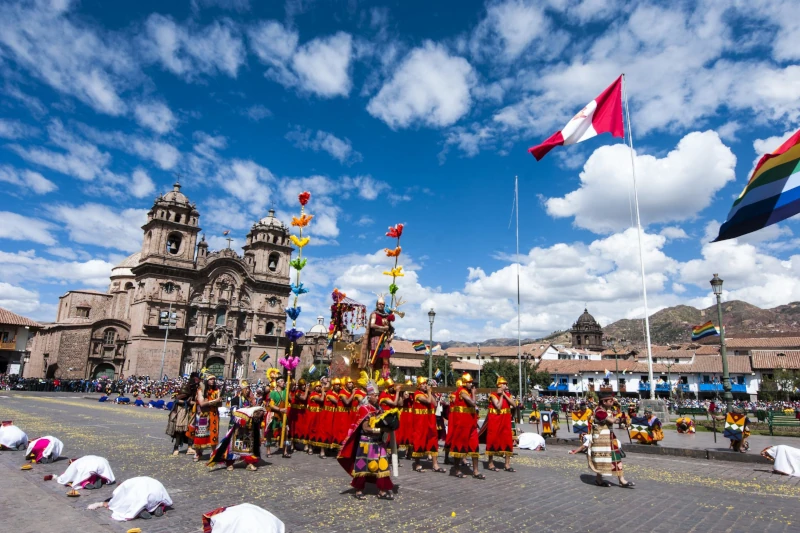
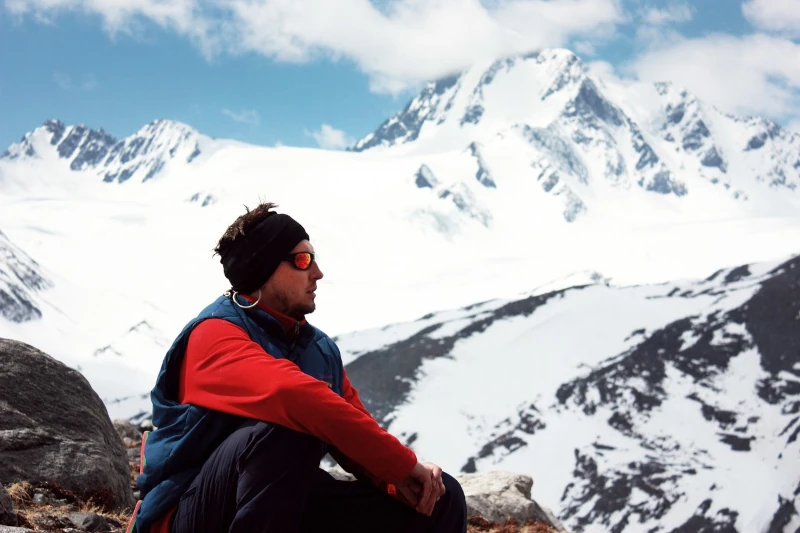
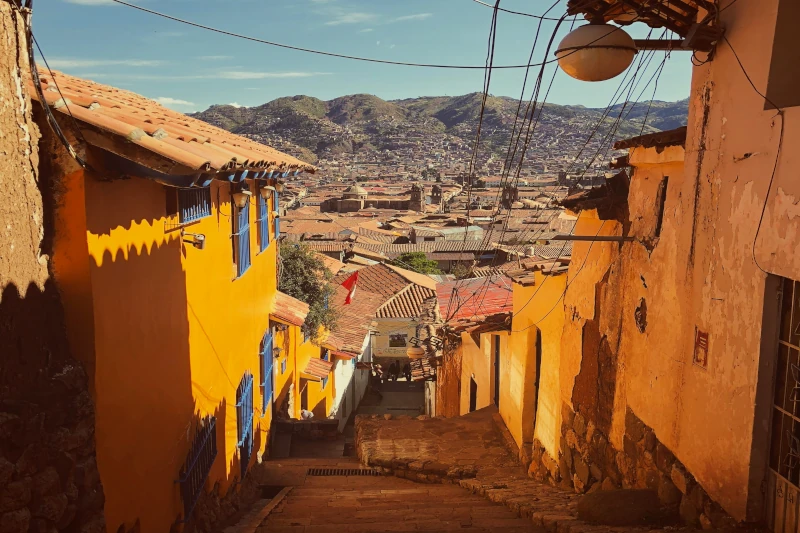
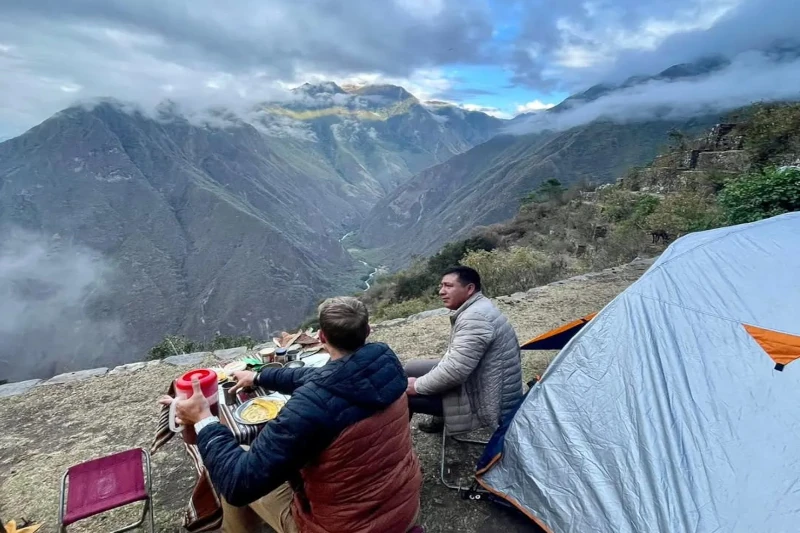
Cusco sits at an impressive high elevation of about 3,400 meters above sea level (11,155 feet). The city’s high altitude is a defining feature, offering breathtaking views and a crisp mountain climate. Nestled in the Andes, Cusco serves as the gateway to many of Peru’s iconic destinations, including the renowned Machu Picchu.

Understanding Cusco’s Altitude

The elevation of Cusco can have a significant impact on visitors who are not accustomed to high altitudes. The thin air at this elevation means there’s less oxygen available, which can affect your body in various ways. This is why acclimatization is key to enjoying your time in Cusco.

Physiological Effects of High Altitude

At high altitudes, the air pressure is lower, leading to a decrease in the amount of oxygen available for breathing. This can result in various physiological effects, such as increased heart rate and rapid breathing as your body tries to take in more oxygen. Some visitors may also experience difficulty sleeping, as the body works harder to maintain oxygen levels during rest.

Historical Significance of Cusco’s Altitude

Cusco’s altitude has played a crucial role in its history and culture as a major city. The Inca civilization, known for its advanced architectural and engineering skills, thrived in these highlands, utilizing the challenging terrain to their advantage. The altitude provided a natural defense against invaders and allowed the Incas to cultivate crops that thrived in cooler temperatures.

Climate and Weather Patterns

The altitude of Cusco contributes to its unique climate. The city experiences two main seasons: the dry season from May to September, and the wet season from October to April. During the dry season, temperatures are cooler, especially at night, while the wet season brings warmer temperatures and frequent rain showers. This climate variation can affect travel plans, making it important to check weather forecasts before your trip.

What Is Altitude Sickness?

Cusco altitude


Altitude sickness, also known as acute mountain sickness (AMS), is a common condition affecting travelers who ascend to high altitudes too quickly. Symptoms can range from mild to severe and include headaches, nausea, dizziness, and fatigue. In rare cases, it can lead to more serious health issues.

Altitude Sickness in Cusco

Altitude sickness in Cusco is a concern for many travelers, but with the right preparation, you can minimize its effects. It’s important to listen to your body and give yourself time to acclimatize. 

Most visitors experience mild symptoms, but it’s crucial to be aware of the signs and know when to seek medical attention. First you need to give your body time to adjust to the altitude. You can do this by staying in the Sacred Valley or doing less strenuous activities like the Cusco City Tour.

Recognizing Symptoms Early

Recognizing the early symptoms of altitude sickness is essential for prevention. Mild symptoms often include headaches, lightheadedness, and a slight loss of appetite. 

If left unchecked, these can progress to more severe symptoms such as difficulty walking, persistent vomiting, or shortness of breath even at rest. Being aware of these signs can help you take action before symptoms worsen.

Risk Factors and Vulnerable Groups

Certain individuals may be more susceptible to altitude sickness. Factors such as a history of altitude related issues, rapid ascent without acclimatization, and pre existing respiratory or cardiovascular conditions can increase the risk. Children and older adults may also be more vulnerable, so extra caution should be taken when traveling with these groups.

Prevention and Mitigation Strategies

Preventing altitude sickness involves a combination of acclimatization and proactive measures. Gradual ascent is key; if possible, spend a day or two at a lower altitude before arriving in Cusco. Staying hydrated, avoiding alcohol, and eating light meals can also help your body adjust. Over the counter medications like ibuprofen can alleviate mild symptoms, but always consult a healthcare professional for severe cases.

Tips for Acclimatizing in Cusco

Take It Slow: Upon arrival, give yourself time to acclimatize by taking it easy for the first 24 to 48 hours. Avoid strenuous activities and allow your body to adjust to the altitude.Cusco altitude

Pace Your Activities

Plan your itinerary to include low key activities in the first few days. Explore the city’s cultural sites at a leisurely pace or visit local markets. Engaging in low intensity activities allows your body to adapt gradually without added stress.

Listen to Your Body

Pay attention to how your body responds to the altitude. If you feel fatigued or dizzy, take breaks and rest. Overexertion can exacerbate symptoms, so prioritize your health over rigid schedules.

Stay Hydrated: Drink plenty of water to stay hydrated. The dry mountain air can dehydrate you quickly, which can worsen altitude sickness symptoms.

Understanding Hydration Needs

At high altitudes, your body loses moisture faster, increasing the need for hydration. Aim to drink more water than you typically would at lower elevations, and include electrolyte-rich beverages to maintain balance.

Avoid Dehydrating Substances

Limit the intake of caffeine and salty foods, as they can contribute to dehydration. Instead, opt for herbal teas and hydrating fruits like watermelon and oranges to supplement your fluid intake.

Avoid Alcohol: Alcohol can exacerbate the effects of altitude sickness, so it’s best to avoid it until you’re well acclimated.

Impact of Alcohol at High Altitudes

Alcohol can impair your body’s ability to acclimate by increasing dehydration and interfering with sleep. It’s advisable to steer clear of alcoholic beverages until you’ve fully adjusted to the altitude.

Socializing Without Alcohol

Enjoy the vibrant local culture through non alcoholic avenues, such as tasting traditional Peruvian cuisine or attending cultural performances. These experiences provide rich engagement without the need for alcohol.

Consider Medication: Consult with a healthcare professional about medication options like acetazolamide, which can help prevent and alleviate symptoms of altitude sickness.

Understanding Medication Options

Acetazolamide is a commonly prescribed medication for altitude sickness prevention. It works by encouraging breathing, which enhances oxygen intake. However, it may not be suitable for everyone, so medical advice is essential before use.

Natural Alternatives

Some travelers prefer natural remedies, such as ginger for nausea or magnesium supplements for headaches. While not universally proven, these alternatives can offer relief for some individuals seeking non pharmaceutical options.

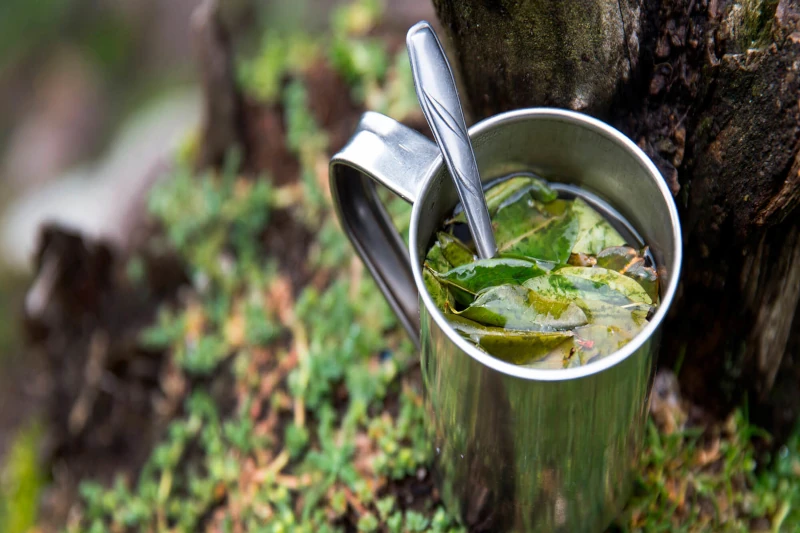
Coca Leaves and Tea: Locals often chew coca leaves or drink coca tea as a natural remedy for altitude sickness. While not scientifically proven, many travelers find relief with these traditional methods.

Cultural Significance of Coca

Cusco altitude

Coca leaves have been used in Andean culture for centuries as a natural remedy for altitude-related ailments. Chewing coca leaves or sipping coca tea is a traditional practice that offers potential relief through mild stimulation.

Trying Coca Products Safely

If you choose to try coca products, do so in moderation and be aware of legal restrictions regarding coca outside Peru. These products can provide temporary relief, but they should not replace other acclimatization strategies.

Exploring Cusco and Beyond

Once you’ve acclimatized, Cusco offers a wealth of cultural and natural wonders to explore. Here are some must-visit spots:

Machu Picchu

No trip to Cusco is complete without visiting Machu Picchu, the iconic Incan citadel. Whether you choose to hike the Inca Trail or take the train, this UNESCO World Heritage Site is a testament to the ingenuity and architectural brilliance of the Inca civilization.

Planning Your Machu Picchu Visit

Decide between the classic Inca Trail trek or a more leisurely train ride to reach Machu Picchu. Each option offers unique experiences, from the challenging hike with breathtaking views to the scenic train journey through lush landscapes.

Understanding the Inca Legacy

Machu Picchu serves as a symbol of the Inca Empire’s legacy, showcasing sophisticated stonework and terraces. Explore the site’s history with a guided tour to gain insight into the cultural and historical significance of the ruins.

Capturing the Perfect Moment

For photographers and nature enthusiasts, Machu Picchu offers unparalleled opportunities for stunning visuals. Arrive early to catch the sunrise over the mountains, providing a magical backdrop for capturing the essence of this ancient site.

Rainbow Mountain

Venture to the stunning Rainbow Mountain, known for its vibrant colors and breathtaking landscapes. The trek can be challenging due to the high altitude, so ensure you’re fully acclimatized before embarking on this adventure.

Preparing for the Trek

Before setting out, ensure you are well acclimatized and equipped with suitable gear. The hike requires stamina and a good level of fitness, so training beforehand and wearing appropriate clothing and footwear is essential.

The Science Behind the Colors

The striking colors of Rainbow Mountain are due to mineral deposits in the soil. Iron oxide creates reds, while greens and yellows result from weathered copper and sulfur. Understanding this natural phenomenon adds depth to the visual spectacle.

Ethical Considerations

Respect the natural environment by following designated trails and minimizing waste. Tourism impacts Rainbow Mountain, so practicing responsible tourism helps preserve its beauty for future generations.

Humantay Lake

A hidden gem in the Andes, Humantay Lake offers a serene and picturesque setting. The emerald-green lake is surrounded by snow capped peaks, making it a photographer’s paradise.

The Journey to Humantay Lake

The trek to Humantay Lake is moderately challenging, but the breathtaking views make it worthwhile. Begin your hike early to enjoy the tranquil atmosphere and capture the lake’s reflection in the morning light.

The Mystical Aura of the Lake

Local lore imbues Humantay Lake with spiritual significance, believed to hold the spirits of the mountains. Connecting with these stories enhances your appreciation of the landscape and its cultural importance.

Wildlife and Flora

The area around Humantay Lake is rich in biodiversity. Keep an eye out for Andean wildlife and unique plant species that thrive at high altitudes, adding another layer of interest to your exploration.

Sacred Valley

cusco altitude explained how high is the city in the andes

The Sacred Valley is a region rich in history and culture. Explore ancient Incan sites, traditional markets, and charming villages nestled in the Andes. The valley’s lower altitude makes it an ideal spot to visit if you’re still acclimatizing.

Discovering Incan Ruins

The Sacred Valley is dotted with impressive Incan ruins, such as Ollantaytambo and Pisac. These sites offer insight into the Inca capital and their harmonious relationship with the natural environment.

Embracing Local Culture

Experience the vibrant culture of the Sacred Valley by visiting local markets and engaging with artisans. These interactions provide an authentic glimpse into the daily lives and traditions of the Andean people.

Outdoor Adventures

The diverse landscapes of the Sacred Valley offer numerous outdoor activities. From hiking and horseback riding to river rafting, the valley caters to adventure seekers looking to explore the Andean wilderness. You can make trips to not very far sites like Maras or Pisac.

From Elevation to Exploration

Understanding the altitude of Cusco and preparing for it can make all the difference in your travel experience. By taking the time to acclimatize and following our tips, you’ll be ready to explore this incredible region with confidence. From the awe-inspiring peaks of the Andes to the cultural richness of the Inca heritage, Cusco and its surroundings offer an unforgettable journey.

Planning for Success

Careful planning enhances your Cusco adventure. Research accommodations that prioritize guest well being and offer services like oxygen tanks or coca tea. These amenities can make your stay more comfortable and enjoyable.

Balancing Adventure and Relaxation

While exploring Cusco, balance adventure with moments of rest and reflection. Take time to enjoy the tranquil beauty of the Andes and the warmth of its people, ensuring a well-rounded and fulfilling travel experience.