Inca Trail and Machu Picchu Trekking

Inca Trail and Machu Picchu Trekking

Embarking on the Inca Trail is a dream for many adventure seekers. This iconic trek leads to the majestic Machu Picchu. It’s a journey through history, culture, and breathtaking landscapes.

The Inca Trail is more than just a hike. It’s a pilgrimage through ancient paths once traveled by the Incas. Each step brings you closer to the heart of the Andes.

This trek is a challenge, but the rewards are immense. Stunning views, rich history, and a sense of accomplishment await. It’s a journey that tests your limits and enriches your soul.

Planning is crucial for a successful trek. Permits are limited and must be secured months in advance. Choosing the right tour operator is key to a memorable experience.

The trail is a blend of natural beauty and historical significance. You’ll pass through diverse ecosystems, from cloud forests to alpine tundra. Each day offers new wonders to explore.

Altitude is a factor to consider. Acclimatization in Cusco is recommended to prevent altitude sickness. Proper preparation ensures a safe and enjoyable trek.

The Inca Trail is a journey of discovery. It’s a chance to disconnect from the modern world and connect with nature. The trail offers a unique perspective on the world and its history.

This trek is a bucket-list experience for many. It’s a journey that leaves a lasting impression on all who undertake it. The Inca Trail is a testament to the enduring legacy of the Inca civilization.

Join us as we explore the Inca Trail and Machu Picchu. Discover tips, routes, and insights for an unforgettable adventure. Your journey to the heart of the Andes begins here.

machu picchu tickets

What is the Inca Trail? History, Route, and Significance

The Inca Trail is a significant remnant of the ancient Inca Empire. It’s a 26-mile path that highlights their engineering prowess. This trail is carved through the Andes and leads to Machu Picchu.

Historically, the Inca Trail was a route for messengers and pilgrims. It connected several Inca sites, showcasing their vast network. Today, it remains a testament to their advanced civilization.

The trail’s route is diverse and mesmerizing. It begins near Cusco, the historic capital of the Inca. The trek culminates at the awe-inspiring Machu Picchu, the jewel of the Andes.

Hiking the Inca Trail is an experience of a lifetime. Trekkers encounter ruins, lush forests, and striking mountains. Each step reveals a piece of Inca history and culture.

The trail winds through various ecosystems. It showcases the rich biodiversity of the region, from cloud forests to high-altitude tundra. This ecological variety adds to the trek’s allure.

Understanding the Inca Trail’s significance means appreciating its context. The trail connects many historical sites such as Wiñay Wayna and Intipata. These sites offer glimpses into the lives of the ancient Incas.

Here are some key features of the Inca Trail:

  • Length: 26 miles (42 km)
  • Duration: Typically 4 days and 3 nights
  • Ending Point: Machu Picchu
  • Historical Sites: Wiñay Wayna, Intipata
  • Ecosystems: Cloud forests, alpine tundra

In conclusion, the Inca Trail is more than a trek. It’s a journey through history and natural beauty. Hiking this ancient path is to walk in the footsteps of a remarkable civilization.

Why Trek the Inca Trail to Machu Picchu?

Trekking the Inca Trail offers an adventure like no other. This iconic trek combines history, culture, and breathtaking scenery. It leads you through the heart of the Andes to the gates of Machu Picchu.

The trail is a journey into the past. It provides direct encounters with ancient Inca engineering and architecture. You’ll visit archaeological sites only reachable by foot.

Nature lovers will be in awe of the diverse landscapes. The trail moves through lush cloud forests and stark mountain vistas. Each ecosystem is more spectacular than the last.

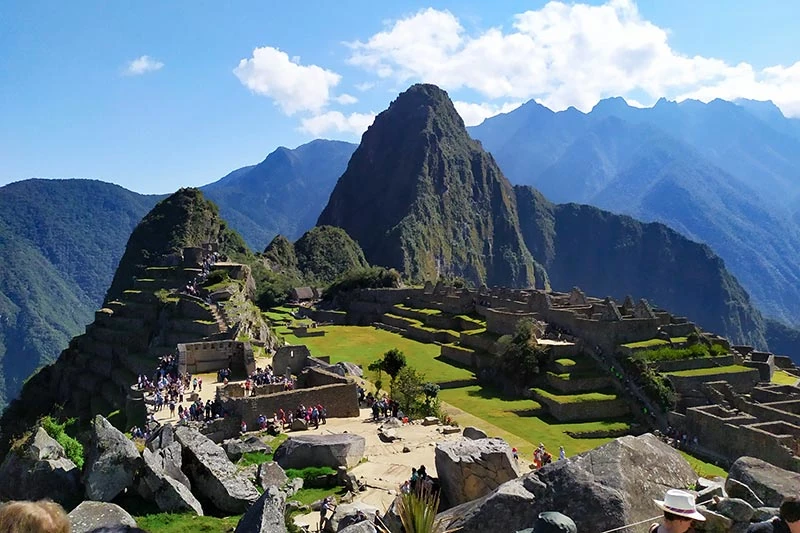
The culmination of the trek is Machu Picchu. Arriving at the Sun Gate, the first glimpse of the ruins is unforgettable. It’s a moment that celebrates the achievement of the long trek.

Reasons to trek the Inca Trail include:

  • Experience of ancient history and culture firsthand
  • Stunning natural landscapes and diverse ecosystems
  • Challenging yet rewarding adventure
  • Unique access to Machu Picchu through the Sun Gate

In conclusion, trekking the Inca Trail is not just a physical journey. It is a spiritual and cultural pilgrimage. Every step on this remarkable trail enriches the soul and mind.

Inca Trail and Machu Picchu Trekking

Inca Trail Routes: Classic, Short, and Alternative Treks

The Inca Trail offers several trekking routes, each with its own charm. These treks vary in length and difficulty, catering to different preferences. Understanding the options is crucial for planning your adventure.

The Classic Inca Trail is the most popular and renowned route. This 4-day trek covers 26 miles, guiding you through spectacular Andean landscapes. It is a challenging, yet immensely rewarding experience.

For those with limited time, the Short Inca Trail is a fantastic option. This 2-day trek still provides a taste of the Inca Trail’s magic. It includes some iconic views and historical sites.

Alternative treks like the Salkantay and Lares routes offer unique perspectives. While not part of the official Inca Trail, they provide similarly stunning vistas and cultural experiences. They also tend to be less crowded, offering more solitude.

Each route has distinctive features:

  • Classic Trail: In-depth exploration with multiple archaeological sites.
  • Short Trail: Quick adventure with essential highlights.
  • Alternative Treks: Salkantay with its alpine scenery, and Lares with local cultural encounters.

When choosing a route, consider your fitness level and interests. The Classic Trail may be better for history enthusiasts. Meanwhile, alternative treks offer exploration of Andean communities.

Ultimately, each route leads you to the majestic Machu Picchu. This is the shared goal and reward for all trekkers. Pick the trail that suits you best for an unforgettable experience.

The Classic Inca Trail (4 Days/3 Nights)

The Classic Inca Trail trek is an enduring favorite. Spanning four days, it starts from Cusco and covers diverse terrain. Trekkers experience everything from high mountain passes to lush cloud forests.

As you traverse the trail, you’ll pass significant archaeological sites. This includes Runkurakay, Sayacmarca, and the famous Wiñay Wayna. Each site offers insights into Inca civilization and their advanced engineering.

The physical challenge is matched by the stunning scenery. Highlights include views of snow-capped peaks and serene valleys. By Day 4, you’ll arrive at the Sun Gate for sunrise over Machu Picchu.

To prepare for the journey, consider the following essentials:

  • Good-quality hiking boots and comfortable clothing
  • A reliable backpack and rain gear
  • Sufficient water and sun protection

The Classic Inca Trail is a comprehensive adventure that combines natural beauty, history, and culture. Its combination of challenge and reward makes it a must-do for many adventurers.

The Short Inca Trail (2 Days/1 Night)

The Short Inca Trail offers a compact version of the Classic trek. This 2-day adventure is ideal for those with time constraints. Despite its brevity, it delivers a memorable Inca Trail experience.

Trekkers start at Km 104, passing the stunning site of Wiñay Wayna. The trail then continues to the Sun Gate for your first Machu Picchu view. The journey is brief yet captivating.

For the Short Inca Trail, consider packing these essentials:

  • Lightweight hiking shoes and gear
  • Water bottle and energy snacks
  • Camera for capturing the quick yet scenic journey

This trek is perfect for those who wish to experience the Inca Trail’s highlights without the full four-day commitment.

Alternative Treks: Salkantay, Lares, and More

The Salkantay and Lares treks offer unique alternatives to the traditional Inca Trail. These routes present diverse landscapes and cultural experiences, each distinct in its appeal.

The Salkantay Trek features high-altitude passes, with dramatic views of Salkantay Mountain. It blends stunning scenery with a sense of remote adventure, suitable for lovers of alpine landscapes.

Meanwhile, the Lares Trek introduces you to local Andean communities. It offers insights into traditional lifestyles and customs, alongside scenic beauty. This trek emphasizes cultural exchange.

Other less-known alternatives include:

  • Choquequirao Trek: A more challenging route to an impressive Inca site
  • Vilcabamba Trek: Following ancient paths amid vibrant ecosystems

Each alternative trek provides its own unique journey. Whether drawn by natural wonders or cultural richness, these options enhance the Peruvian hiking experience. Choose the path that aligns with your spirit for exploration.

Short Inca Trail to Machu Picchu

Inca Trail Permits and Regulations

Trekking the Inca Trail requires careful preparation, including securing a permit. The Peruvian government regulates permits to preserve the trail’s integrity.

Permits are limited to 500 trekkers per day, which includes guides and porters. This cap ensures a sustainable tourism experience. As a result, early booking is essential to secure your spot.

To obtain a permit, you must book through a licensed tour operator. Independent trekking is not allowed. This rule helps maintain safety and trail standards.

Permits sell out quickly, often months in advance. It is advisable to book as early as possible, particularly for the peak season. Delay could mean missing out on this iconic trek.

Permit availability is also limited by trail closures. The Inca Trail closes in February for maintenance. Plan your trip accordingly to avoid disappointment.

When considering tour operators, ensure they meet these regulations:

  • Licensed by the government
  • Sustainable and ethical practices

Understanding these requirements is crucial for a successful trek. Knowing the regulations enhances both safety and enjoyment. Adhering to the permit system protects this historic route for future generations.

Before booking, verify that the operator provides full service. This typically includes transport, food, and camping equipment. Choose an operator committed to preserving the trail’s heritage and environment.

Respect for the rules ensures the Inca Trail remains a pristine and awe-inspiring journey. Following regulations not only benefits you but also preserves this UNESCO World Heritage Site for others.

When is the Best Time for Inca Trail Trekking?

Choosing the right time to trek the Inca Trail is crucial. The weather in the Andes plays a big role in your experience.

The dry season is from May to September. This period is the most popular for trekking. The weather is typically clear, allowing for stunning mountain views.

During these months, rainfall is minimal. This makes the trails less slippery and safer. However, cooler temperatures can be expected at night, especially at higher altitudes.

Conversely, the rainy season runs from November to March. Trekking during this time means fewer crowds but also more rain. Trails can become muddy, and visibility is often reduced.

For those preferring fewer tourists, April and October are ideal. These months are transitional periods with relatively dry weather and fewer crowds. Trekking in these shoulder months offers a balance between favorable conditions and tranquility.

Consider these factors when planning:

  • Weather conditions
  • Trail closures in February
  • Personal preference for crowds vs. solitude

Your choice of season will influence your trekking experience. Choose wisely to ensure it aligns with your expectations. Adequate preparation can enhance the adventure, regardless of when you go.

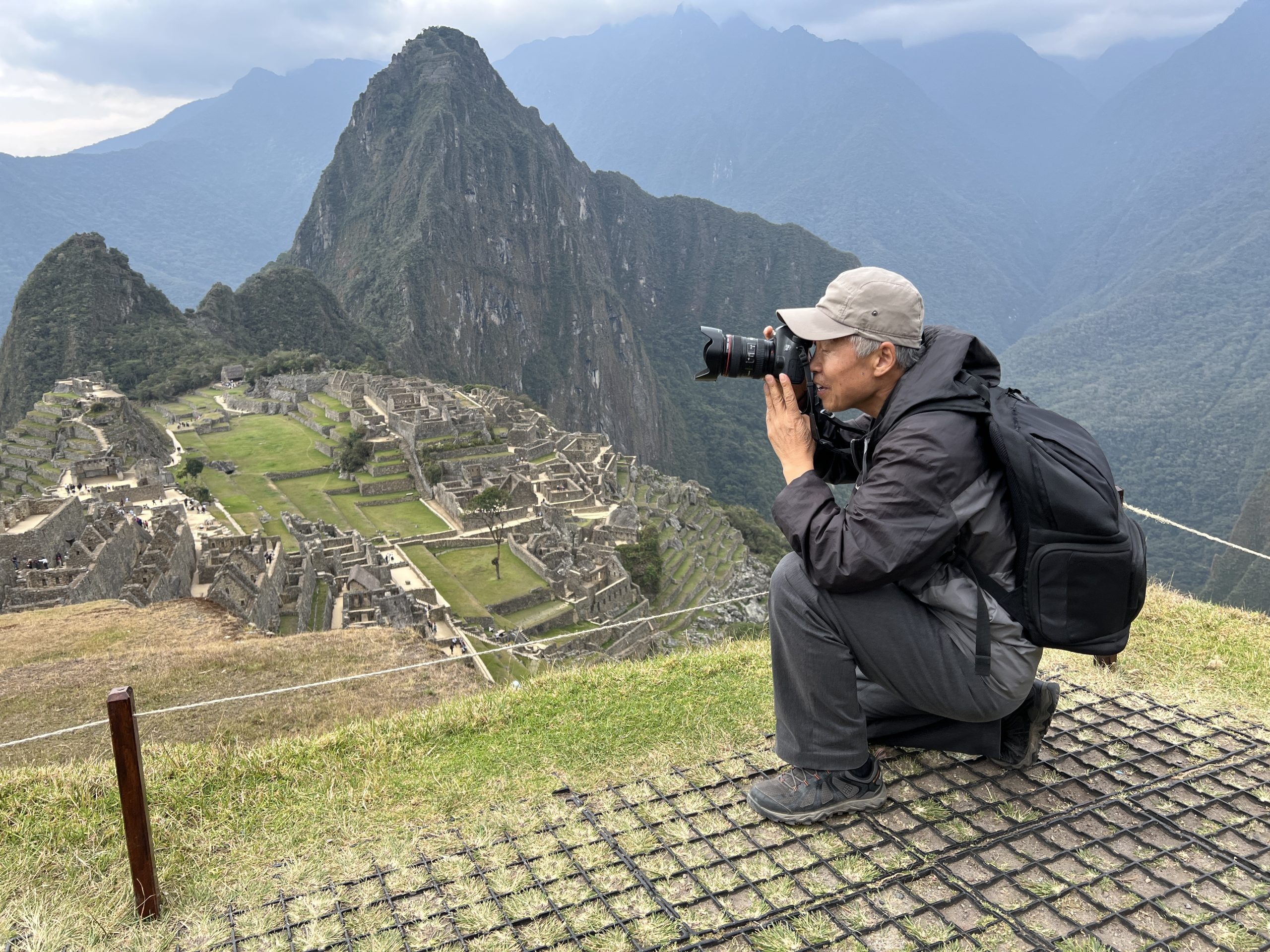
Corea group in machupicchu

Physical Preparation and Acclimatization

Trekking the Inca Trail requires good physical fitness. The trail includes steep ascents and descents. It’s important to start training months before your trip.

Cardiovascular fitness is crucial. Activities like running, cycling, and swimming are beneficial. These exercises help build stamina for the long hikes.

Strength training should not be overlooked. Core and leg muscles are especially important. Squats, lunges, and planks can help prepare your body for the terrain.

Acclimatization is vital due to the high altitudes. The trek reaches elevations over 4,000 meters. Spending a few days in Cusco prior to the trek is wise.

Being at elevation helps your body adjust. It reduces the risk of altitude sickness, which can affect even the fittest trekkers.

Consider preparing by:

  • Hiking on local trails with elevation
  • Wearing your hiking boots to break them in

Before your trip, remember to:

  • Consult a doctor, especially if you have health concerns
  • Stay hydrated and eat a balanced diet

Proper preparation enhances your experience on the trail. It helps ensure your safety and comfort while trekking. With the right preparation, you can fully enjoy the journey to Machu Picchu.

What to Pack for the Inca Trail: Essential Gear and Tips

Packing for the Inca Trail requires careful planning. Your gear needs to be both practical and lightweight. Consider the essentials and leave behind anything unnecessary.

Sturdy hiking boots are a must. They provide support and grip on uneven trails. Ensure they are well broken in before the trek.

Layered clothing is key to handling changing temperatures. The mornings and evenings can be chilly, while afternoons heat up. Include a mix of moisture-wicking shirts and a warm jacket.

A rain poncho or waterproof jacket is crucial. The Andean climate can be unpredictable. Staying dry ensures comfort throughout the trek.

A quality sleeping bag is essential for cold nights. Check with your tour operator about bag ratings for the expected temperatures.

Key items to pack:

  • A lightweight backpack
  • A water bottle or hydration system
  • A hat and sunglasses for sun protection

Snacks are also important for maintaining energy. Consider high-protein and easy-to-carry options. Granola bars, nuts, and dried fruits are popular choices.

Don’t forget personal items like sunscreen and insect repellent. The sun is strong at high altitudes. Protection helps avoid burns and bites.

Additional items to consider:

  • Trekking poles for stability
  • A headlamp for pre-dawn hikes
  • Basic first-aid supplies

Packing efficiently makes a difference in your trek experience. Balancing comfort with practicality is key. With the right preparation, you can fully enjoy the wonders of the Inca Trail.

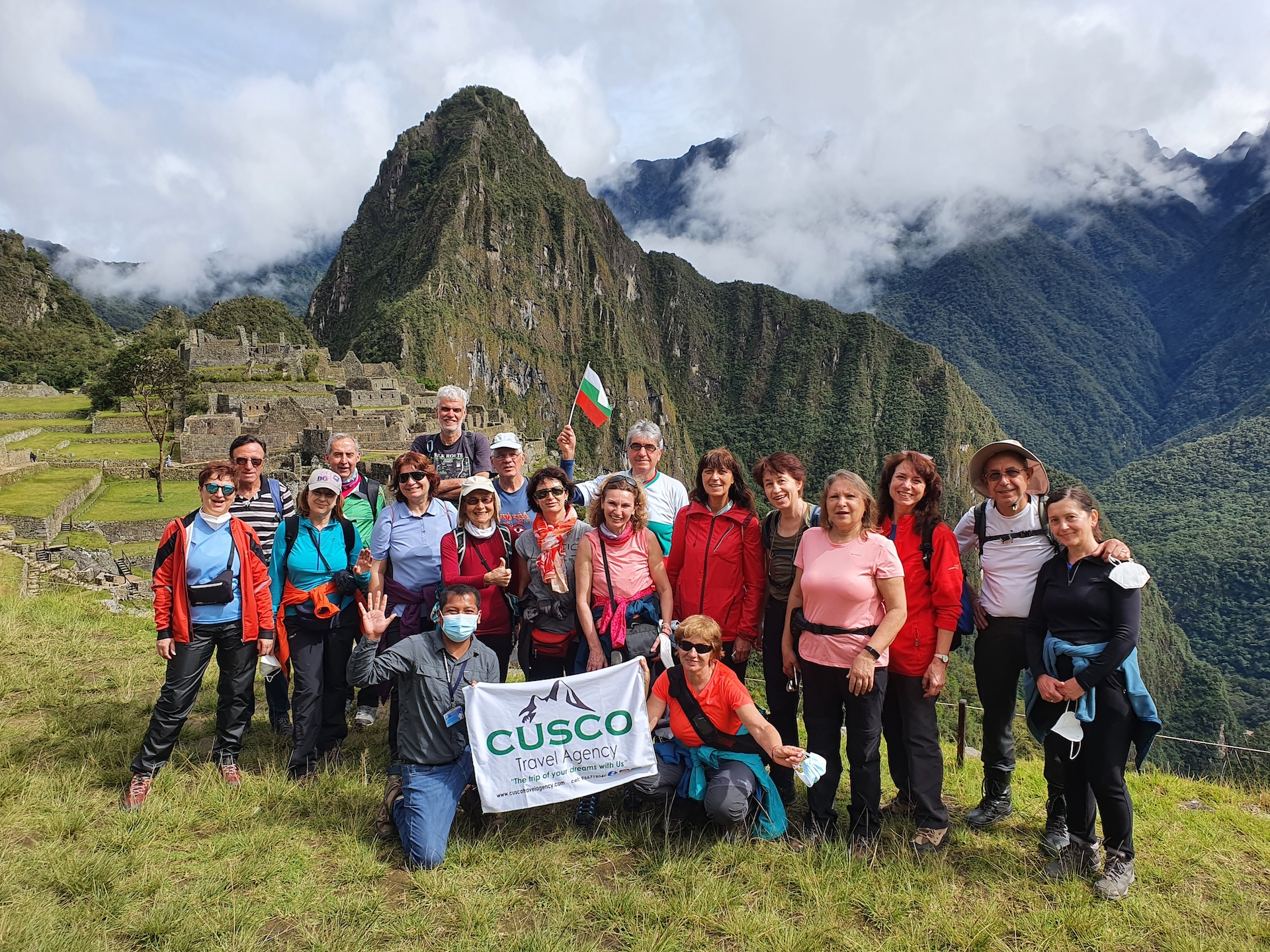
Cusco Travel Agency

Day-by-Day Breakdown: The Classic Inca Trail Experience

Embarking on the Classic Inca Trail is an adventure through breathtaking landscapes and rich history. This four-day journey is both challenging and immensely rewarding.

Day by day, trekkers experience a variety of altitudes, terrains, and climates. Each day brings unique sights and emotions. The trail covers approximately 26 miles from start to finish.

Guides usually arrange for an early start each day. This ensures enough time to explore and reach campsites before sunset. Adjusting to the trail’s pace and rhythm is crucial.

Acclimatization before the trek is vital. This helps manage altitude-related symptoms effectively. It’s common to spend a couple of days in Cusco beforehand to adjust.

Throughout the trek, the landscape shifts dramatically. From lush forests to towering mountain passes, it’s a visual feast. Each step brings you closer to the majestic Machu Picchu.

Daily Progress Highlights:

  • Day 1: Scenic hikes starting from Km 82
  • Day 2: Climbing to Dead Woman’s Pass
  • Day 3: Exploring ancient ruins and cloud forests
  • Day 4: Arrival at Machu Picchu through the Sun Gate

Porters play a crucial role in the journey. They carry heavy equipment, set up tents, and prepare meals. Their support is invaluable.

Meals on the trail are surprisingly hearty. Despite the remote location, cooks ensure trekkers are well-fed and energized. Expect simple but nutritious dishes with local flavors.

Trekkers can expect evening briefings from their guides. These sessions cover the next day’s itinerary and provide valuable tips. They also offer a chance to ask questions and share experiences with fellow hikers.

The connection formed with the group is part of the trail’s magic. Sharing the experience bonds travelers from different backgrounds. It’s an experience filled with camaraderie and mutual encouragement.

Successfully completing the trek is a profound achievement. It’s both a physical and emotional journey. The beauty of the Andean landscapes stays with you long after the trek ends.

Day 1: Cusco to Km 82 and the First Campsite

The adventure begins with a bus ride from Cusco to Km 82. This is the official start of the Inca Trail. At the control point, trekkers check in and get a stamp on their trail pass.

The first day is a gentle introduction to the trek. The path winds through the Sacred Valley. Trekkers pass picturesque villages and admire views of snow-capped peaks.

Key Highlights of Day 1:

  • Visit to Llactapata ruins
  • Scenic views of Veronica Mountain
  • Campsite near the village of Huayllabamba

The initial ascent is mild, offering time to acclimatize. That night, trekkers camp at Huayllabamba. It’s a peaceful place to rest after the first day on the trail.

Day 2: Dead Woman’s Pass and the Challenge of Altitude

Day two is the toughest part of the trek. Trekkers ascend to Dead Woman’s Pass, the highest point on the trail at 4,215 meters. This test of endurance is a significant highlight of the journey.

Reaching the pass is an achievement. The panoramic views are breathtaking. It’s a moment that combines awe with physical exertion.

Key Highlights of Day 2:

  • Climb to Warmiwañusca (Dead Woman’s Pass)
  • Stunning vistas of the Andes
  • Campsite in the Pacaymayo Valley

After descending into the Pacaymayo Valley, trekkers set up camp. It’s a well-deserved respite following a day of challenging hiking.

Day 3: Inca Ruins and Cloud Forests

The third day combines adventure with history. Trekkers traverse past impressive Inca ruins, each with its own story. Sayacmarca and Phuyupatamarca are notable stops that fascinate visitors.

The trail meanders through enchanting cloud forests. This lush environment is rich with biodiversity. It’s a chance to see unique plants and potentially spot wildlife.

Key Highlights of Day 3:

  • Exploration of Sayacmarca and Phuyupatamarca
  • Hike through dense cloud forests
  • Camp near the ruins of Wiñay Wayna

Wiñay Wayna is the final campsite before Machu Picchu. The anticipation for the next day builds as the ruins’ mystery unfolds at dusk.

Day 4: The Sun Gate and Arrival at Machu Picchu

The final day begins before dawn. Trekkers rise early to reach the Sun Gate, or Inti Punku, by sunrise. This gateway offers the first glimpse of Machu Picchu in the morning light.

As the sun rises, Machu Picchu appears amidst the mist. It’s a magical moment, filled with emotion and awe. Achieving this view is a highlight of the trek.

Key Highlights of Day 4:

  • Early morning hike to the Sun Gate
  • First views of Machu Picchu at dawn
  • Guided tour of the Machu Picchu site

After soaking in the views, a guided tour provides insights into the Inca site. The trek concludes with exploration of this iconic wonder, rewarding every step taken along the trail.

Top Natural Remedies for Cusco's Altitude

Altitude Sickness: Risks, Symptoms, and Prevention

Altitude sickness is a concern for many travelers trekking the Inca Trail. It arises when your body struggles to adapt to lower oxygen levels at high elevations. Understanding this condition helps in preventing it.

Symptoms often include headaches, nausea, and shortness of breath. Fatigue is also common among those affected. These can impair your ability to enjoy the trek fully.

Preventing altitude sickness begins with acclimatization. Spending a few days in Cusco prior to the trek is advisable. This helps your body adjust gradually to higher altitudes.

Tips for Preventing Altitude Sickness:

  • Stay hydrated and drink plenty of water.
  • Avoid alcohol and caffeine, as they can dehydrate you.
  • Move at a steady pace and don’t rush.
  • Eat light meals that are easy to digest.

If symptoms persist, it’s crucial to descend to a lower altitude. Consult your guide for assistance. They can provide advice and make arrangements to ensure your safety.

Choosing the Best Inca Trail Tour Operators

Selecting the right tour operator is vital for a memorable trek. Their role is crucial in ensuring a smooth and safe journey. Therefore, some research ahead of time is essential.

Start by looking for operators with strong reputations. Check online reviews and seek recommendations from past trekkers. This will give insight into their reliability and service quality.

Consider tour operators who specialize in Inca Trail trekking. Such firms are more likely to offer knowledgeable guides. Experienced guides enrich your journey with insights about the trail’s history and culture.

Factors to Consider When Choosing:

  • License: Confirm they have a government-issued license.
  • Safety Standards: Ensure they adhere to strict safety protocols.
  • Group Size: Smaller groups often provide a more personalized experience.

Price is another important consideration. While budget options are tempting, ensure value for money. Operators providing quality food, gear, and campsite facilities should be prioritized.

Sustainability is also key when choosing a tour company. Support those who practice responsible tourism. Operators minimizing environmental impact help preserve the Inca Trail for future generations.

Top Services to Look for:

  • Porters and Equipment: Operators that include these in packages often prove more convenient.
  • Meal Quality: Check if fresh, nutritious meals are provided.
  • Camping Gear: Ensure sleeping arrangements are comfortable and suitable for the conditions.

Ultimately, choosing the right tour operator greatly enhances your experience. Quality service, safety, and sustainability are top priorities. With careful selection, your trek on the Inca Trail will be an adventure of a lifetime.

Sustainable and Responsible Trekking: Protecting the Inca Trail

Responsible trekking is essential for preserving the Inca Trail’s beauty. The impact of thousands of feet can strain the delicate environment. Hence, sustainable practices are crucial.

One way to minimize impact is by reducing waste. Trekkers should follow the principle of leaving no trace. Carrying out all litter and using biodegradable products are good practices.

Tips for Responsible Trekking:

  • Stick to Trails: Avoid damaging surrounding flora.
  • Respect Wildlife: Keep a distance and avoid feeding animals.
  • Use Established Camps: Preserve untouched areas by staying in designated spots.

Conserving cultural heritage is just as important. Do not touch or move archaeological artifacts. These treasures tell the story of the Inca civilization.

Tour operators also play a vital role. Choose companies that emphasize sustainability and conservation. An ethical approach from both travelers and operators ensures the trail’s preservation for future explorers. Such efforts maintain this world-famous trek’s magic and allure.

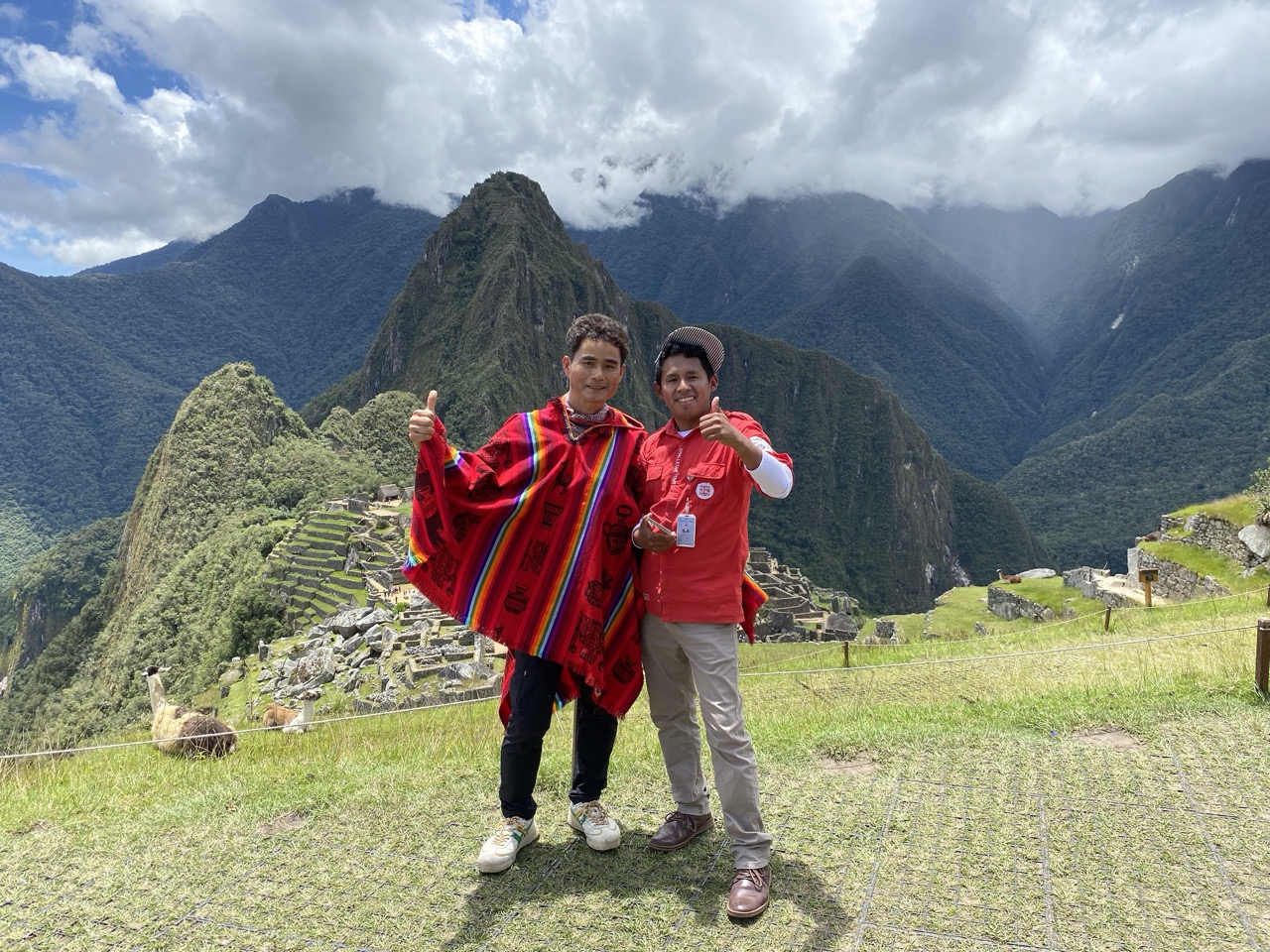
Corean friends, Short Inca Trail to Machu Picchu

Andean Culture and Local Communities Along the Trail

The Inca Trail is more than a journey through breathtaking landscapes; it’s a cultural immersion. The trail winds through several indigenous communities. These villages offer a glimpse into traditional Andean life.

The Quechua people, descendants of the Incas, inhabit these regions. They maintain age-old customs and speak their native language. Engaging with these communities enriches the trekking experience.

By choosing local guides, trekkers can contribute to the economy of these communities. Many guides share personal stories and insights into local traditions.

Cultural Insights Along the Trail:

  • Handcrafted Goods: Buy woven textiles directly from artisans.
  • Traditional Meals: Taste Andean cuisine, like cuy and quinoa soup.
  • Music and Dance: Experience vibrant folk music and dance performances.

Respecting local customs is key to fostering good relations. Learn a few phrases in Quechua to show appreciation. This cultural exchange transforms the trek into a meaningful adventure. Supporting these communities helps preserve their rich heritage for future generations.

Frequently Asked Questions about Inca Trail Trekking

Planning a trek on the Inca Trail raises several questions. Below are common queries and their answers to help you prepare.

Do I need a permit for the Inca Trail?

Yes, a permit is mandatory. Book early as permits sell out quickly.

Is the trail difficult?

The trek is challenging, with steep ascents and descents. Good physical conditioning is recommended.

What is the best time to trek?

The dry season from May to September is ideal. The weather is more predictable and pleasant.

Can I trek the Inca Trail independently?

No, hiring a licensed tour operator is required. They ensure compliance with regulations and enhance safety.

What should I pack?

Focus on essentials like sturdy boots and layered clothing. The weather can vary widely.

Common Questions to Consider:

  • Duration: How long is the trek?
  • Health: How to manage altitude sickness?
  • Language: Are English-speaking guides available?

Understanding these aspects ensures a smooth and enjoyable trek. Preparing in advance helps you fully experience this unforgettable journey.

Machupicchu tour private, Short Inca Trail to Machu Picchu

Final Tips for a Successful Peru Hike to Machu Picchu

To make the most of your trek, consider these final tips. Start by ensuring that you are physically prepared. Regular exercise before your trip will make the trek more enjoyable.

Hydration is crucial. Drink plenty of water every day to maintain energy levels and help acclimatize to the altitude. It’s easy to overlook, but essential.

Staying organized is key. Pack your gear efficiently, ensuring quick access to items like snacks and a rain poncho. This can save time and hassle.

Finally, cherish the experience. Engage with local guides to learn about Inca culture and history. The journey is as enriching as the destination itself.

Important Reminders:

  • Stay fit for the trek
  • Keep hydrated throughout the journey
  • Organize gear for easy access
  • Engage with guides and locals

These pointers will aid in crafting a memorable and fulfilling adventure.

Conclusion: The Life-Changing Journey of the Inca Trail

Trekking the Inca Trail is more than a physical challenge. It’s a dive into history, culture, and natural beauty. The path invites introspection and offers unmatched rewards.

Travelers often find the journey transformative. The blend of ancient ruins, stunning landscapes, and personal triumphs creates lasting memories. It’s an experience that enriches the soul.

The Inca Trail is not just a trek to Machu Picchu. It’s a journey that changes perspectives and deepens appreciation for the world. Embrace this adventure, and let it leave an indelible mark on your spirit.

Leave a Reply

Why Book With Us?

  • No-hassle best price guarantee
  • Customer care available 24/7
  • Hand-picked Tours & Activities
  • Expert Local Guides

Got a Question?

Do not hesitate to give us a call. We are an expert team and we are happy to talk to you.

+51-966 719 040

+51-986 826 782

[email protected]