What to Expect on Lares Trek

Nestled in the heart of the Lares Valley, the Lares Trek is a captivating journey through stunning Andean landscapes and traditional Quechua villages. The Sacred Valley itself is a place of mystery and beauty, home to ancient Incan sites and steeped in history. Each turn of the path reveals a new vista, from terraced hillsides to rushing rivers, offering a glimpse into the region’s rich past.

Unlike the bustling Inca Trail, the Lares Trek offers a more serene and intimate experience, perfect for those seeking both adventure and cultural immersion. The trek allows travelers to escape the crowds, providing a peaceful journey through some of Peru’s most beautiful landscapes. It’s an opportunity to connect deeply with nature and oneself, away from the usual tourist throng.

The Sacred Valley and Its Significance

This trek typically spans three to four days, culminating in a visit to the awe-inspiring Machu Picchu. The journey to this iconic site is as thrilling as the destination itself, with each day bringing new adventures and discoveries. As you approach Machu Picchu, the sense of anticipation and excitement builds, making the final arrival a truly unforgettable moment.

The Lares Trek and the Inca Trail hike both lead to Machu Picchu, but they offer different experiences. The timeless Inca Trail is famous for its historical significance and iconic archaeological sites along the way. However, it can get crowded, especially during peak seasons. For those who enjoy hiking but prefer a quieter path, the Lares Trek presents an ideal alternative.

The Lares Trek, on the other hand, is less traveled, providing a more peaceful and personal journey. It focuses on cultural encounters and natural beauty rather than archaeological sites. This trek is perfect for those who appreciate solitude and the chance to connect with local communities. It offers a different perspective, one that emphasizes the living culture and stunning vistas of the Andes.

Lares Cultural Richness

lares trek

The Lares Trek is renowned for its cultural richness. As you traverse the path, you’ll pass through remote villages where time-honored traditions are still practiced. Meeting the Quechua people, witnessing their vibrant textiles, and learning about their way of life offer insights into a culture that has thrived in harmony with nature for centuries. The interaction with locals provides a deeper understanding of their customs, beliefs, and daily activities, enhancing the trekking experience.

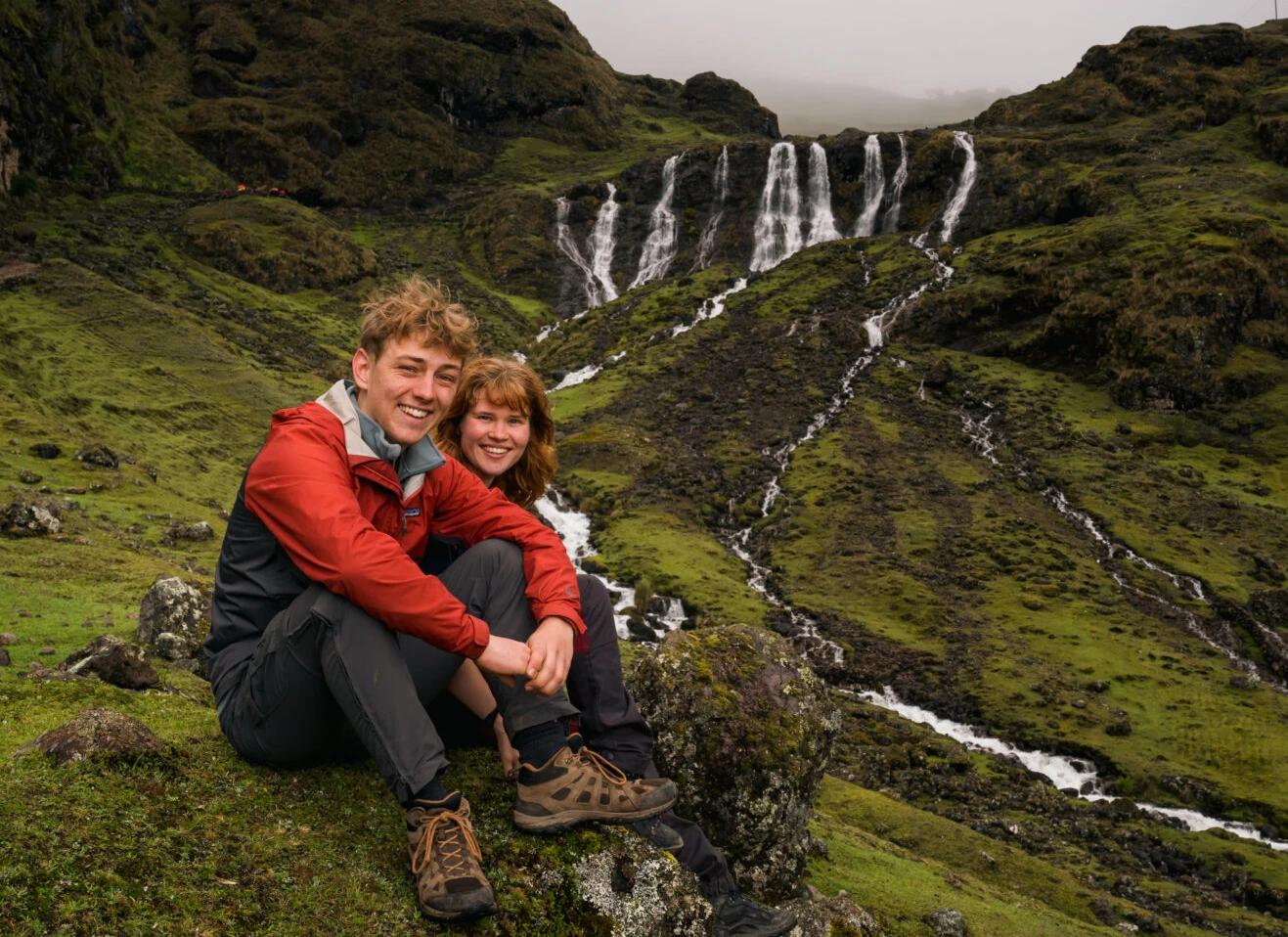
The trek is not just about cultural encounters; it’s also about immersing oneself in the natural beauty of the Andes. The landscapes are diverse, ranging from lush green valleys to snow-capped peaks. Each day on the trail offers new and stunning views, making it a paradise for nature lovers and photographers alike. The tranquility of the environment allows trekkers to reflect and enjoy the serene beauty that surrounds them.

The Lares Trek reaches elevations over 14,000 feet, so acclimatization is crucial. Spending a few days in Cusco before the trek helps your body adjust to the Cusco altitude. Acclimatizing well can make a significant difference in your trekking experience, reducing the risk of altitude sickness and ensuring you enjoy each moment of the journey.

Altitude Sickness

Drinking coca leaf tea, a traditional remedy, can also alleviate symptoms of altitude sickness. This age-old practice is widely used by locals and travelers alike. It’s a natural way to combat the effects of high elevation, allowing you to trek comfortably and confidently.

Packing smart is key to a successful trek. Ensure you have sturdy hiking boots, layered clothing for varying temperatures, a rain jacket, and a good backpack. The weather in the Andes can be unpredictable, so being prepared for all conditions is essential.

Don’t forget essentials like sunscreen, a hat, and a refillable water bottle. Hydration is vital at high altitudes, and protecting yourself from the sun will help prevent sunburn and other related issues. A well-packed bag ensures you have everything needed to enjoy the trek safely and comfortably.

Physical Preparations

lares trek

While the Lares Trek is less demanding than the Inca Trail, it’s important to be in good physical condition. Engage in regular cardio and strength training exercises in the weeks leading up to the trek to ensure you’re ready for the adventure. Building stamina and strength will enhance your ability to tackle the trail’s challenges.

Consider doing a practice hike to familiarize yourself with the terrain and your gear. This preparatory step can help identify any adjustments needed in your equipment or fitness routine, ensuring you are fully prepared months in advance for the trek.

Your adventure starts in Cusco, where you’ll be picked up early for a scenic drive to the town of Lares. The journey is a visual feast of Andean landscapes, setting the tone for the trek. Rolling hills, quaint villages, and traditional farmlands pass by as you make your way to Lares, each scene more picturesque than the last.

Lares Hotsprings


Upon arrival in Lares, you’ll have the opportunity to relax in the natural hot springs, easing any travel fatigue. The warm waters are not only soothing but also provide a chance to unwind and prepare mentally for the trek ahead. It’s a perfect start to your adventure, blending relaxation with anticipation.

The trek begins in earnest as you set off through picturesque valleys and pastures. You’ll encounter local shepherds and farmers tending to their flocks and fields, offering glimpses into rural life in the Andes. The path winds through stunning scenery, with every step bringing you closer to the heart of this vibrant culture.

Huacahuasi and Ipsaycocha Pass

The highlight of the day is reaching the village of Huacahuasi, where you’ll spend the night. This is a chance to interact with the villagers and learn about their daily lives. Sharing stories and experiences with the locals enriches your journey, providing a deeper connection to the region and its people.

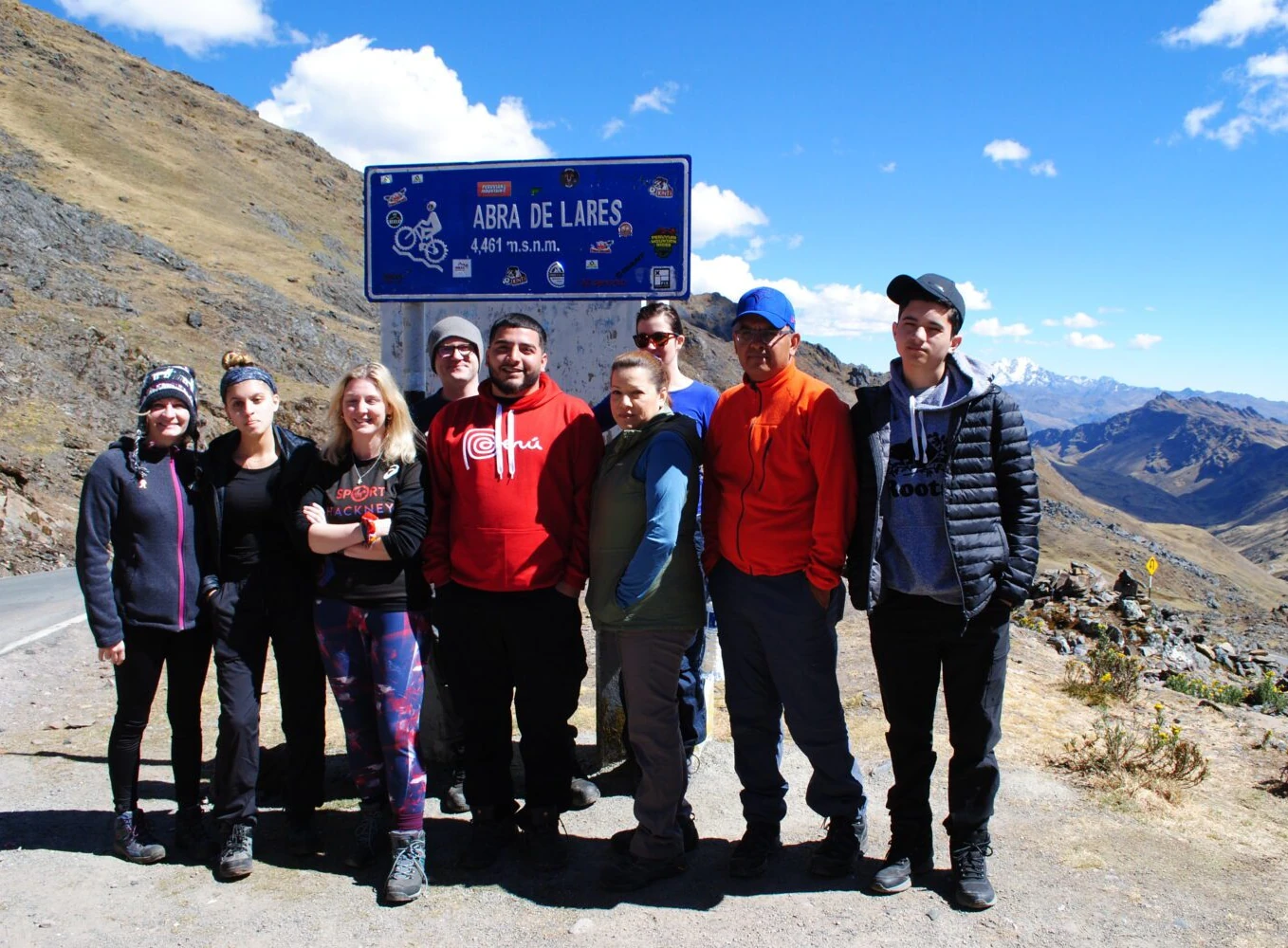
This day is marked by breathtaking vistas as you ascend to the highest point of the trek, the Ipsaycocha Pass. At over 14,000 feet, the views are simply stunning, with panoramic scenes of the surrounding mountains and valleys. The climb is challenging but rewarding, each step bringing a sense of accomplishment.

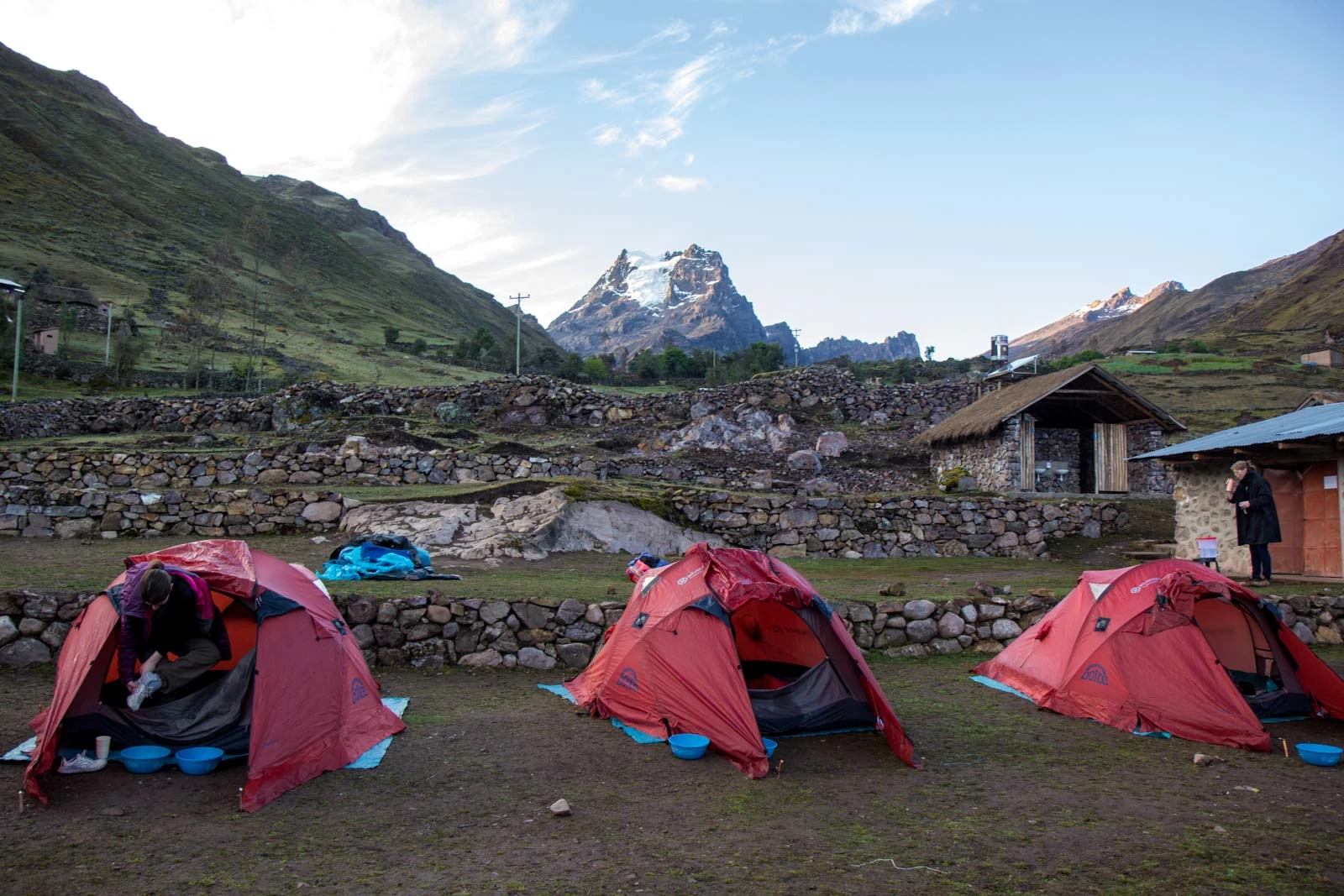
Descending into the Patacancha Valley, you’ll be greeted by more traditional communities. The evening is spent in a cozy campsite or local lodge, where you can rest and reflect on the day’s adventures. The hospitality of the locals and the beauty of the surroundings make for a memorable experience.

Experiencing Machu Picchu

lares trek

The final stretch of the trek leads you to Ollantaytambo, where you’ll catch the train to Aguas Calientes. The anticipation builds as you draw closer in the trek to Machu Picchu, the ultimate goal of your journey. The train to Machu Picchu ride offers a moment to relax and enjoy the scenery, with each passing mile bringing you closer to the ancient citadel. You can also check for hotels in Aguas Calientes for best comfort.

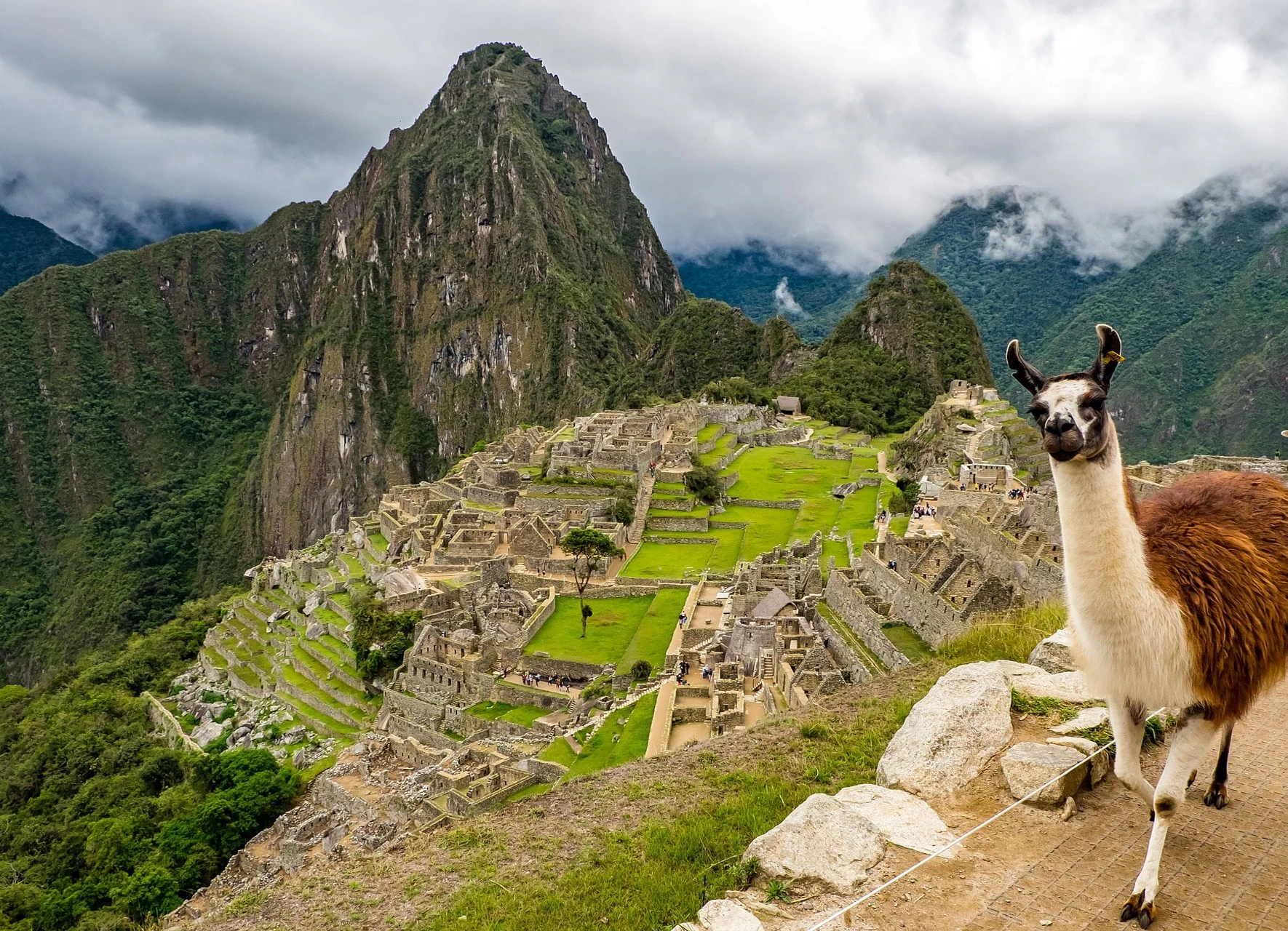
Arriving at Machu Picchu is the culmination of your journey, a moment that will forever be etched in your memory. The sight of the ancient ruins, set against the backdrop of the majestic Andes, is awe-inspiring. It’s a fitting end to an incredible adventure, a testament to the beauty and history of Peru.

Local Communities

Take the time to engage with the people you meet along the way. Their stories and traditions enrich the experience, offering a deeper understanding of the region’s cultural tapestry. Conversations with locals can reveal insights into their way of life, beliefs, and the challenges they face, providing a meaningful connection to the land and its history.

Participating in local activities, such as weaving or cooking, can further enhance your understanding of Quechua culture. These immersive experiences offer a hands-on opportunity to learn and connect, making your trek even more rewarding.

Photography Opportunities

For photographers, the Lares Trek is a visual paradise. From the vibrant textiles of the Quechua people to the majestic mountain vistas, every moment is a photo opportunity. The changing landscapes and dynamic light conditions provide endless creative possibilities, making it a perfect trek for photography enthusiasts.

Remember to bring extra batteries and memory cards! The remote nature of the trek means access to electricity is limited, so being prepared ensures you can capture every stunning moment without interruption. Documenting your journey allows you to relive the experience and share it with others.

Unforgettable Experience

lares trek


While reaching Machu Picchu is the ultimate goal, savor each step of the journey. The Lares Trek is as much about the path as it is about the destination. Each day offers new experiences, from interactions with locals to the discovery of breathtaking landscapes.

Take the time to appreciate the small moments, whether it’s a quiet sunrise over the mountains or a shared laugh with fellow trekkers. These experiences, combined with the grandeur of Machu Picchu, create memories that will last a lifetime.

Final Thoughts and Recommendations

Embarking on the Lares Trek is a journey of discovery, offering a unique blend of adventure, culture, and natural beauty. Whether you have the spirit of a great traveler, take the chance to take the best Cusco tour and be ready for the adventure of your life.

With the insights and guidance we’ve shared, you’ll be well-prepared to make the most of your Lares Trek experience. As you stand amidst the ancient ruins of Machu Picchu, you’ll realize that the journey was just as rewarding as the destination. The connections made, the landscapes admired, and the cultures experienced combine to create an adventure that is truly unforgettable.

Safe travels, and may your adventure be as unforgettable as the landscapes you’ll encounter. Happy trekking!

Text Widget

Nulla vitae elit libero, a pharetra augue. Nulla vitae elit libero, a pharetra augue. Nulla vitae elit libero, a pharetra augue. Donec sed odio dui. Etiam porta sem malesuada.

Recent Comments