Discover the Tradition Behind Peru’s Famous Guinea Pig Dish

Exploring the vast landscapes and rich cultural tapestry of Peru in South America. This culture  offers more than just breathtaking views and historical wonders.

Guinea pig, or cuy, holds a special place in Peruvian culture. This dish has been a staple in the Andean diet for centuries and is often associated with special occasions and celebrations. In many Andean communities, cuy is not just food; it symbolizes prosperity and abundance.

The history of cuy dates back to the Inca civilization, where guinea pigs were domesticated not only for consumption but also for religious ceremonies. The Incas believed that eating cuy could bring health and good fortune, a tradition that continues to this day. These small animals were revered as sacred creatures, often depicted in Incan art and artifacts. Understanding these cultural nuances can add depth to your travel experiences, especially if you’re capturing the essence of Peru through photography or academic research.

In Andean culture, cuy is more than just a meal; it is an integral part of rituals and ceremonies. During festivals, cuy is offered to deities as a symbol of gratitude and prosperity. The preparation and sharing of cuy during these events are communal activities, strengthening social bonds and cultural identity. These traditions are passed down through generations, preserving the rich cultural heritage of the Andean people.

Cuy is also seen as a symbol of wealth and status in many Andean communities. Owning a large number of guinea pigs signifies prosperity and is often a source of pride. During special occasions, serving cuy to guests is a gesture of hospitality and generosity. This cultural significance elevates cuy beyond a mere culinary experience, offering insight into the social dynamics of Andean societies.

Cuy in Peruvian Cuisine

peruvian guinea pig

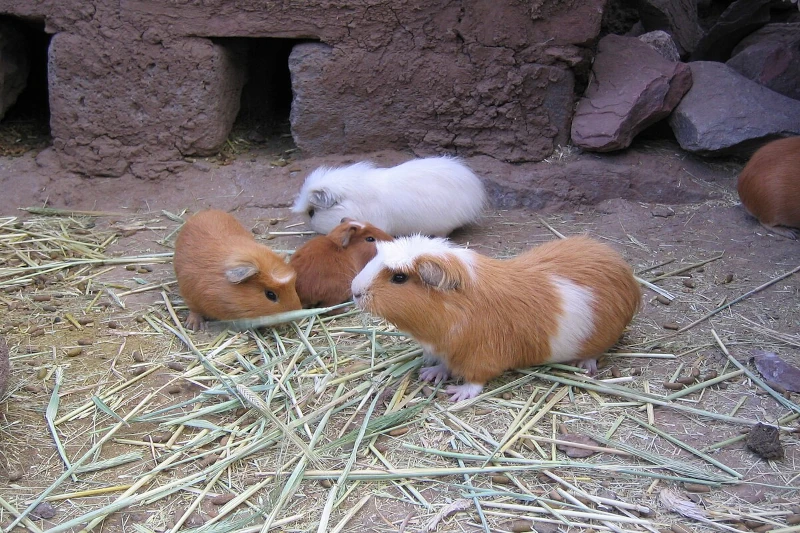
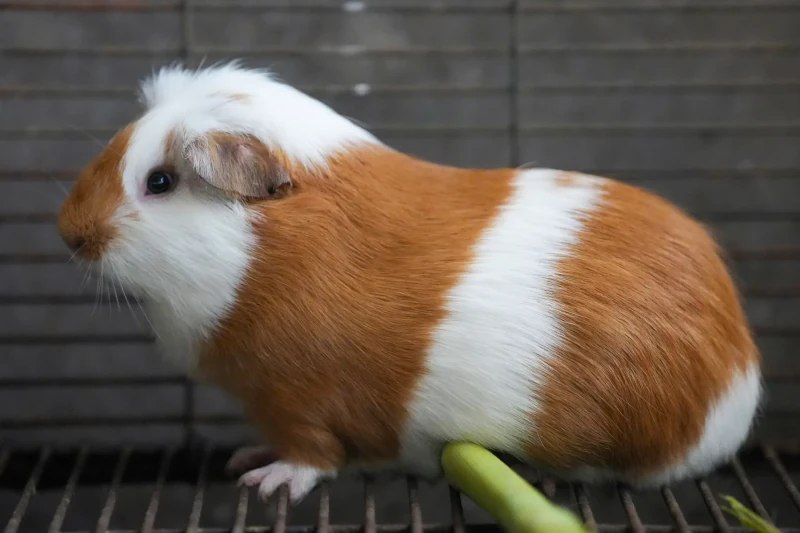
In modern Peruvian cuisine, cuy is prepared in various ways, each offering a unique taste and texture experience. Whether you’re a culinary enthusiast or simply curious, sampling cuy can be a thrilling adventure. You can find many kinds of them, long haired guinea pigs, short haired ones are the guinea pig breed commonly used in cousine.

Traditional Preparations

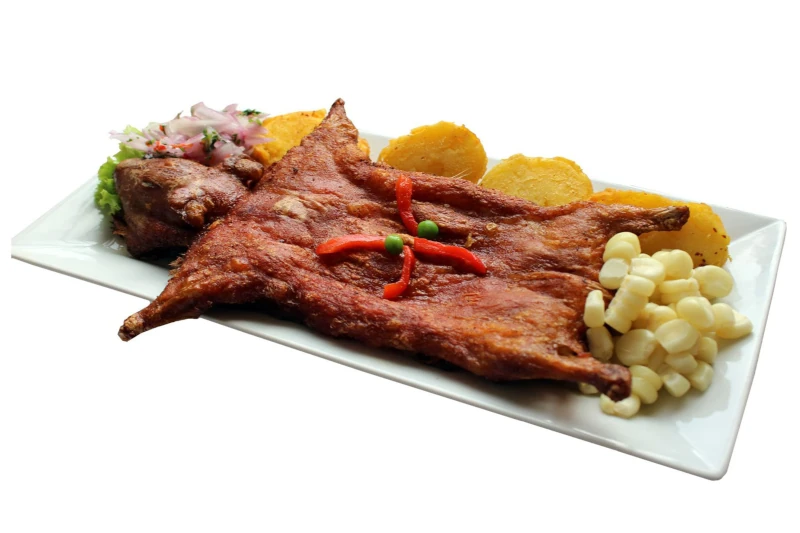
One of the most traditional ways to prepare cuy is by roasting it whole, often over an open flame. This method, known as “cuy al palo,” results in crispy skin and tender meat, reminiscent of a small roast pig. The preparation process is often a community activity, with families gathering to share the meal. Another popular preparation is “cuy chactado,” where the guinea pig is flattened and fried, offering a crunchy texture that pairs well with traditional Andean spices. This method showcases the culinary heritage of the Andes, where simple ingredients are transformed into flavorful dishes.

Contemporary Twists

While traditional methods are beloved, modern chefs have embraced cuy, integrating it into gourmet dishes that blend Peruvian flavors with international techniques. Imagine cuy served in a rich mole sauce or as a filling in delicate empanadas. 

These contemporary twists provide a new perspective on this classic dish, perfect for those looking to experience fusion cuisine. Chefs experiment with various cooking techniques, such as sous-vide and confit, to enhance the flavors and textures of cuy, offering diners an innovative culinary experience high in protein.

Pairing with Andean Ingredients

peruvian guinea pig

Cuy is often accompanied by classic Andean ingredients such as potatoes, corn, and spicy sauces. These ingredients not only complement the flavors of cuy but also reflect the agricultural richness of the region. Chefs often use native herbs and spices to enhance the dish, creating a harmonious blend of flavors that pay homage to Peru’s culinary diversity. Pairing cuy with local produce highlights the connection between the land and the cuisine, offering a truly authentic taste of the Andes. Eating your cuy and then drinking a cup of coffee in Cusco is one of the experiences that cooks recommend.

Where to Experience Cuy

For those with limited time, knowing where to find authentic and delicious cuy dishes can enhance your culinary adventure. Here are some recommendations:

Local Markets

Visiting a local market is one of the best ways to immerse yourself in the culture and taste authentic Peruvian Guinea pig food. The bustling markets in Cusco or the Sacred Valley offer freshly prepared cuy, often served with traditional sides like potatoes and corn. 

Here, vendors proudly display their culinary skills, inviting visitors to savor the flavors of the Andes. Engaging with local vendors provides insight into the preparation and cultural significance of cuy, enriching your travel experience.

Renowned Restaurants

For a more upscale experience, consider dining at one of Lima‘s renowned restaurants where top chefs present cuy with a gourmet twist. These establishments not only offer exquisite dishes but also provide an ambiance that enriches the dining experience. Chefs in these restaurants creatively reinvent cuy, using innovative techniques to showcase the dish’s versatility. Dining in such settings allows you to appreciate the artistry and craftsmanship that goes into modern Peruvian cuisine.

Cultural Festivals

Want to try cuy the authentic way? Hit up a local Cultural festival in Cusco. That’s where guinea pigs dishes take center stage at big community meals. These celebrations show you how cuy really fits into Peruvian culture. You’ll watch traditional cooking methods passed down for generations.

Festivals let you eat alongside locals, not just tourists. You’ll hear stories about why this dish matters so much to families here.The atmosphere is incredible, music, dancing, and everyone sharing food together. You get way more than just a meal.

This isn’t about being adventurous with weird food. It’s about respecting a tradition that goes back centuries. When locals see you genuinely interested in their culture, they open up and share amazing stories.

Cooking Cuy at Home

If you’re feeling adventurous, why not try cooking cuy at home? Here’s a simple recipe to get you started:

Ingredients

  • 1 whole guinea pig, cleaned and prepared
  • 2 tablespoons of olive oil
  • 1 tablespoon of aji amarillo paste (yellow chili paste)
  • Salt and pepper to taste
  • Fresh herbs like rosemary or thyme
  • 2 cloves of garlic, minced
  • 1 lemon, juiced

Instructions

  1. Marinate the Cuy: Rub the guinea pig with olive oil, aji amarillo paste, salt, pepper, minced garlic, and lemon juice. Let it marinate for at least an hour to absorb the flavors. For a more intense flavor, consider marinating overnight in the refrigerator.
  2. Prepare the Oven: Preheat your oven to 375°F (190°C). Line a baking tray with parchment paper for easy cleanup and even roasting.
  3. Roast the Cuy: Place the marinated guinea pig on the prepared baking tray, sprinkle with fresh herbs, and roast for about 45 minutes. Check for doneness by ensuring the skin is crispy and the meat is cooked through. For a smoky flavor, consider finishing the cuy under a broiler for the last 5 minutes of cooking.
  4. Serve and Enjoy: Serve the roasted cuy with traditional sides like boiled potatoes and corn, garnished with fresh herbs. Savor the flavors of Peru right from your kitchen, sharing the experience with family and friends.

Tips for Success

Cooking cuy at home can be a rewarding experience with a few helpful tips. Ensure the cuy is thoroughly cleaned and prepared before marinating to achieve the best flavor. Experiment with different herbs and spices to customize the dish to your taste. If you’re new to cooking, consider practicing with smaller portions to perfect your technique.

Embracing the Adventure

For some, the idea of eating guinea pig might seem daunting. However, embracing this culinary adventure can enrich your understanding of Peruvian culture and traditions. As travelers, we believe that part of the joy of exploring new destinations is stepping out of your comfort zone and trying new things. You have to also consider its high content in protein and low in fat, guinea pig meat is overall very healthy.

Overcoming Hesitations

Approaching cuy with an open mind can transform your culinary journey. Understanding the cultural significance of cuy helps to overcome initial hesitations. Remember that cuy is a beloved dish in Peru, celebrated for its flavor and cultural importance. By embracing the experience, you open yourself to new tastes and perspectives.

Enhancing Your Travel Experience

Experiencing cuy offers a deeper connection to the local culture. Whether you are documenting your journey through photography, gathering insights for research, or simply enjoying a vacation, cuy provides a unique lens through which to view Peru. This culinary adventure enriches your travels, allowing you to engage with the community and appreciate the diverse traditions of the Andes.

Reflecting on Cultural Diversity

Tasting cuy encourages reflection on the diverse culinary practices around the world. It highlights the importance of respecting and appreciating different food cultures. By participating in this culinary experience, you contribute to the preservation of cultural heritage and promote cross-cultural understanding.

More Than a Meal: Discovering Peru Through Its Guinea Pig Tradition

peruvian guinea pig

Peruvian guinea pig cuisine is more than just a meal; it’s a cultural experience that offers a glimpse into the heart of Andean traditions. From local markets to gourmet restaurants, there are countless ways to savor this delicacy, common ones are “cuy al horno” or “chactado”. As you plan your next trip to Peru, consider adding a cuy tasting to your itinerary and discover the flavors that have captivated locals for generations.

Celebrating Global Cuisine

Remember, the world is a vast and diverse place, and there’s always something new to taste and explore. Celebrating cuisine in South America  enriches our understanding of different cultures and fosters a greater appreciation for culinary diversity. Embrace the adventure and allow your taste buds to guide you on your journey. Guinea pig dishes are in pair with other more renowned Peruvian dishes like ceviche or drinks like Pisco sour

Safe Travels and Bon Appétit

As you explore the culinary delights of Peru, we wish you safe travels and unforgettable gastronomic experiences. May your journey be filled with discovery, connection, and delicious flavors. Bon appétit!