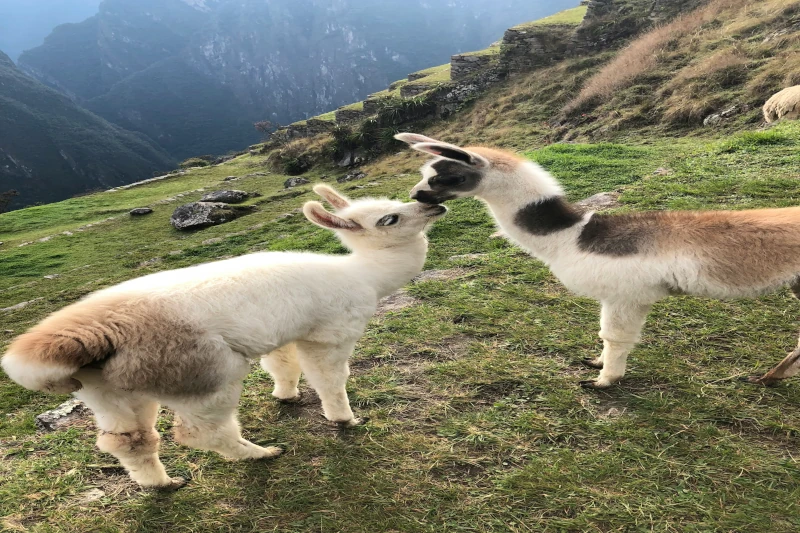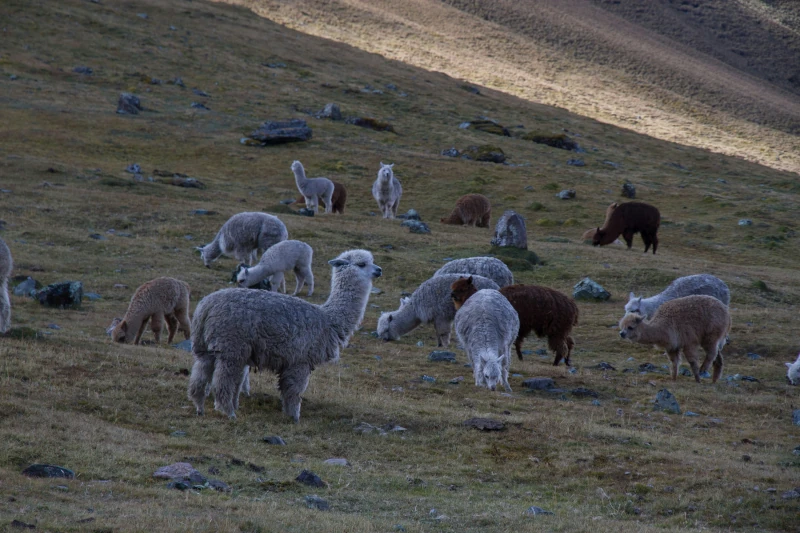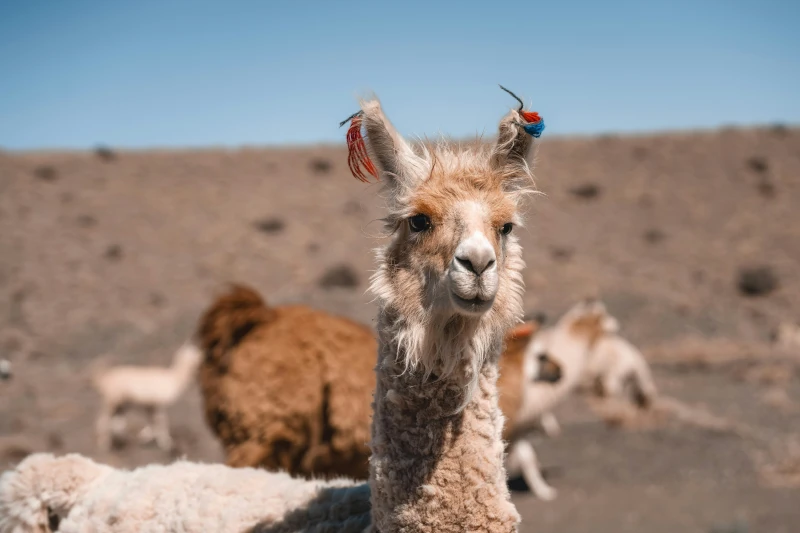
Alpacas vs llamas, are native to South America, specifically the Andean regions of Peru, Bolivia, and Chile. These regions are known for their breathtaking landscapes, ranging from towering peaks to expansive plateaus. The Andean climate, characterized by its high altitudes and varied temperatures, played a crucial role in the domestication of these animals by ancient civilizations.
The domestication of alpacas and llamas dates back thousands of years, with archaeological evidence suggesting their use as far back as 4,000 to 5,000 years ago. Indigenous peoples of the Peruvian Andes, such as the Incas, relied on these animals for their survival, utilizing them for transportation, wool, and meat. This long history of domestication has cemented their importance in Andean culture.

Alpacas and llamas have evolved remarkable adaptations to thrive in the challenging Andean environment. Their thick, insulating fur protects them from cold temperatures, while their unique blood composition allows them to efficiently process the thin air at high cusco’s altitude. These adaptations make them well-suited for life in the rugged Andes.
In Andean societies, alpacas and llamas are more than just animals; they are integral to cultural traditions and practices. They are often featured in rituals and festivals, symbolizing prosperity and abundance. Travelers visiting the Andes can witness these cultural expressions firsthand, gaining a deeper understanding of the spiritual and economic roles these animals play.
While alpacas and llamas may look similar at first glance, there are some key differences in their physical characteristics:
Both alpacas and llamas exhibit a range of colors, from pure white to deep black, with various shades of brown and gray in between. The diversity in their coats adds to their visual appeal, and each animal’s unique pattern is a testament to the genetic variety within these species.
The texture and quality of alpaca and llama fibers differ significantly. Alpaca fiber is known for its exceptional softness and hypoallergenic properties, making it ideal for high-end garments. Llama fiber, while coarser, is durable and well-suited for rugs and outerwear. Understanding these differences can help travelers appreciate the craftsmanship of Andean textiles.
Llamas are known for their curious and social nature. These traits make them excellent companions for humans and other animals. Their inquisitive demeanor means they often approach new situations with interest rather than fear, making them a popular choice for trekking and tours.
Llamas are often used as guard animals for livestock due to their protective instincts. They have a natural ability to detect threats and will alert the herd by making distinctive alarm calls. This protective nature is beneficial for farmers who rely on llamas to safeguard their livestock from predators.
Llamas communicate using a variety of sounds, including hums, clucks, and alarm calls. Each sound serves a specific purpose, from signaling contentment to warning of danger. Observing these vocalizations can offer travelers insight into the complex social interactions within a llama herd.
Alpacas are more docile and shy compared to llamas. Their gentle and reserved nature makes them ideal for close interactions with humans, particularly in settings like petting zoos and educational farms.
Alpacas are herd animals and feel most comfortable in groups. Their social bonds are strong, and they rely on each other for companionship and security. This herd mentality is essential for their well-being, and travelers can observe their cooperative behaviors during group activities.
Alpacas communicate through body language and soft humming sounds. Their body language includes subtle gestures like ear positioning and tail movement, which convey emotions such as curiosity or contentment. Paying attention to these cues can enrich visitors’ experiences when interacting with alpacas.
Pay attention to these signals when you meet alpacas. You’ll know if they want to be petted or need space.A happy alpaca stands calm with ears up and makes gentle humming sounds. That’s your green light for interaction.
Stressed alpacas might spit, but they usually warn you first with body language. Respect their signals and you’ll both have a better time.Learning alpaca “language” makes farm visits way more fun. You’re not just looking at cute animals – you’re actually communicating with them.

Llamas are trusted companions on trekking journeys through the Andes. Their surefootedness and strength make them ideal for traversing rugged landscapes, providing support for explorers and adventurers. Travelers can experience the unique bond between humans and llamas during guided treks.
The long lifespan of llamas is a testament to their robust health and adaptability. With proper care, they can live fulfilling lives, contributing to their herds and human communities. Understanding their health needs is essential for ensuring their continued well-being.
Llama vocalizations offer valuable insights into their behavior and emotions. By paying attention to their sounds, travelers can gain a deeper appreciation for the complexity of llama communication and the nuances of their social interactions.
There are two main alpaca breeds: Huacaya and Suri. Huacaya alpacas have dense, crimped fleece that gives them a fluffy appearance, while Suri alpacas have long, silky fibers that hang in locks. Both breeds produce luxurious fleece used in high-quality textiles.
The breeding of alpacas focuses on enhancing desirable traits such as fiber quality and color diversity. Selective breeding practices have led to the development of alpacas with unique characteristics that appeal to different markets. Understanding these breeding efforts can enrich travelers’ appreciation of Andean agriculture.
Alpacas and llamas hold significant cultural value in Andean communities. They are often featured in traditional festivals and ceremonies, symbolizing prosperity and abundance. Alpaca fleece is highly prized for its softness and warmth, making it a valuable commodity in the textile industry. Travelers can appreciate the craftsmanship of local artisans who create beautiful garments and accessories from alpaca wool.
In Andean cultures, alpacas and llamas play a central role in traditional cultural festivals and rituals. These events celebrate the animals’ contributions to agriculture and daily life, often involving colorful costumes and ceremonial offerings. Travelers visiting during these festivals can witness the vibrant cultural expressions that honor these animals.
The economic significance of alpacas and llamas extends beyond their cultural roles. The textile industry relies heavily on alpaca fiber, which is exported worldwide and used in high-quality fashion items. Llama wool, though less fine, is also an important resource for local economies, supporting artisans and communities.
Local artisans in the Andes are renowned for their skill in transforming alpaca and llama fibers into exquisite textiles and garments. The craft workshops involved in weaving, knitting, and dyeing these materials is a testament to the rich cultural heritage of the region. Travelers can explore markets and workshops to discover unique, handmade products.

To see alpacas and llamas in their natural habitat, consider visiting the following locations:
Joining guided tours and treks is an excellent way to encounter alpacas and llamas while learning from knowledgeable guides. These tours often provide insights into the animals’ behaviors and habitats, enhancing the overall travel experience.
Visiting wildlife sanctuaries dedicated to the conservation of alpacas and llamas can offer a more intimate experience. These sanctuaries often provide educational programs and opportunities for close interactions with the animals, promoting awareness and appreciation.
The best time to see alpacas and llamas may vary depending on the region and climate. Travelers should research seasonal variations and plan their visits accordingly to maximize their chances of encountering these animals in optimal conditions. The key is to take routes to the mountains, an example of this is taking the Ausangate trek, this will ensure your chances to watch in their natural habitat.
For freelance photographers, capturing these animals can be a rewarding experience. Here are some tips:
Practicing ethical photography is crucial when capturing wildlife. Photographers should prioritize the well-being of the animals and their habitats, avoiding any actions that could cause stress or harm. Respecting the natural environment ensures a positive experience for both photographers and wildlife.
Understanding the differences between alpacas and llamas enriches your travel experience in the Andean regions. Whether you’re interacting with them on a farm, capturing their beauty through photography, or learning about their cultural significance, these animals offer a unique glimpse into the life and traditions of South America.
By appreciating their distinct characteristics and roles, travelers can create lasting memories and deepen their connection to the places they visit. Embracing the knowledge and experiences gained from these encounters will enhance your journey and foster a greater appreciation for the diverse cultures and environments of the Andes.
Do not hesitate to give us a call. We are an expert team and we are happy to talk to you.