Visiting the Sacred Valley in Peru? Don’t miss Pisac Market, where culture, art, and history come alive. Located in the heart of the Andes, this lively market is more than a shopping spot it offers a glimpse into Inca heritage.
This guide shows what to buy, how to visit, and how to enjoy Pisac for a rich cultural experience. The Pisac Market is renowned for its colorful stalls that overflow with handmade crafts, textiles, and local produce. Set against the stunning Andes, the market is a sensory experience that captures the heart of Peruvian culture.
Pisac Market is more than a trading hub; it’s a living museum where ancient traditions thrive. For centuries, locals have used it to trade goods and gather socially. The market’s history gives every transaction meaning, making each purchase feel like a journey back in time.
The market serves as a crossroads for various cultures and traditions within the region. Quechua-speaking locals, descendants of the Inca, engage with tourists worldwide, creating a lively cultural exchange. This interaction enriches the market experience, offering visitors a unique glimpse into the diversity of Peru.
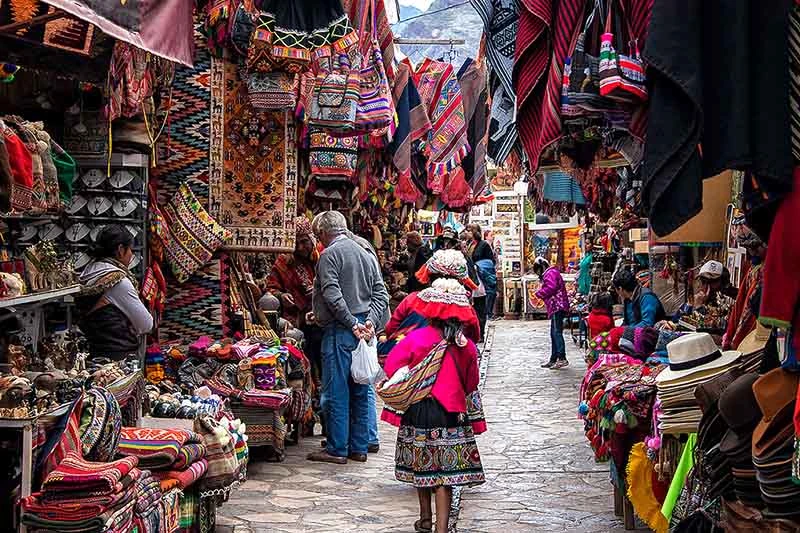
Pisac Market greets visitors with a vibrant mix of sights, sounds, and smells. The bright textiles, traditional music, and delicious local aromas combine to create an unforgettable experience. This sensory feast is a testament to the rich cultural heritage of the region.
The market is a microcosm of the Sacred Valley’s diverse influences. It preserves ancient traditions while showcasing contemporary creations, making it perfect for both historical and modern cultural experiences.

Artisans at the market practice age-old techniques passed down through generations. This dedication to traditional craftsmanship is evident in the quality and authenticity of the items on display. From intricate weaving to detailed pottery, each piece tells a story of its maker and their connection to the past.
While tradition reigns supreme, modern influences are also present in the market. Young artisans blend tradition with innovation, creating works that combine old and new, appealing to a wide audience.
Contemporary designs reflect this innovation, connecting to their roots while embracing current trends.
Sustainability is an important aspect of the market, as many artisans utilize locally sourced materials and eco-friendly practices. This eco-friendly approach benefits the planet and enhances the quality and appeal of the products. Visitors can feel good about their purchases, knowing they are supporting sustainable practices.
Located about 33 kilometers from Cusco, Pisac is easily accessible by road. You can either take a taxi or a colectivo (shared van), which is a more economical option. The journey is approximately one hour, and the scenic drive through the Sacred Valley is a treat in itself.
The drive from Cusco to Pisac offers breathtaking views of the Sacred Valley. As you travel through the mountains, terraced fields, traditional villages, and the Urubamba River create a breathtaking landscape. This journey is not just a means to an end; it’s an integral part of the experience.
For those seeking comfort and convenience, taxis provide a direct and private mode of transportation. However, for a more authentic experience, consider taking a colectivo. These shared vans are not only budget-friendly but also offer a chance to interact with locals and fellow travelers.
While the market operates daily, Sundays are the busiest and most vibrant, attracting locals and tourists alike. For a more relaxed experience, visit during the weekday mornings when the market is less crowded.
Sunday is the traditional market day, drawing vendors from surrounding areas and creating a lively atmosphere. The market buzzes with energy as locals buy, sell, and socialize, giving a true glimpse of daily community life. This is the perfect time to experience the market’s full vibrancy.
For those who prefer a quieter visit, weekday mornings provide a more relaxed environment. With fewer crowds, you can take your time exploring the stalls and engaging with vendors. This is an ideal opportunity to ask questions and learn more about the cultural significance of the products.

The market’s offerings can vary with the seasons, reflecting the agricultural cycles of the region. Visiting at different times of the year can provide new experiences and products, from fresh produce to seasonal crafts. Consider planning your visit to coincide with specific cultural or agricultural events for an enhanced experience.
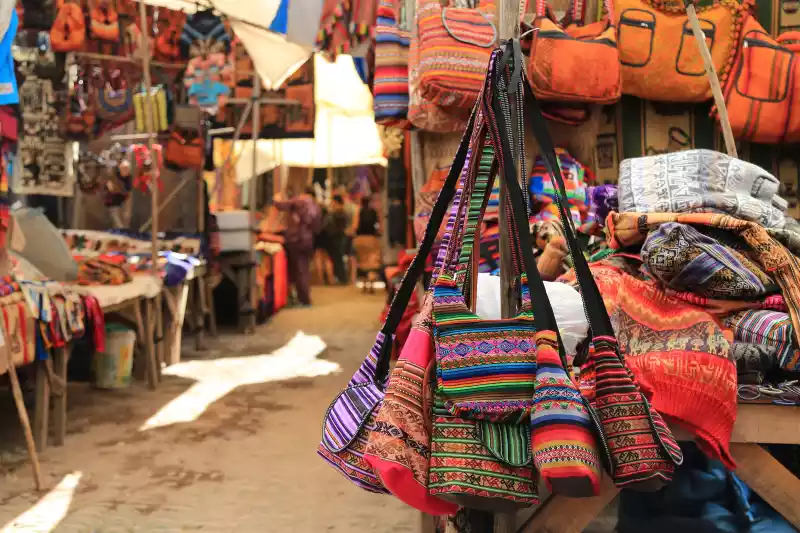
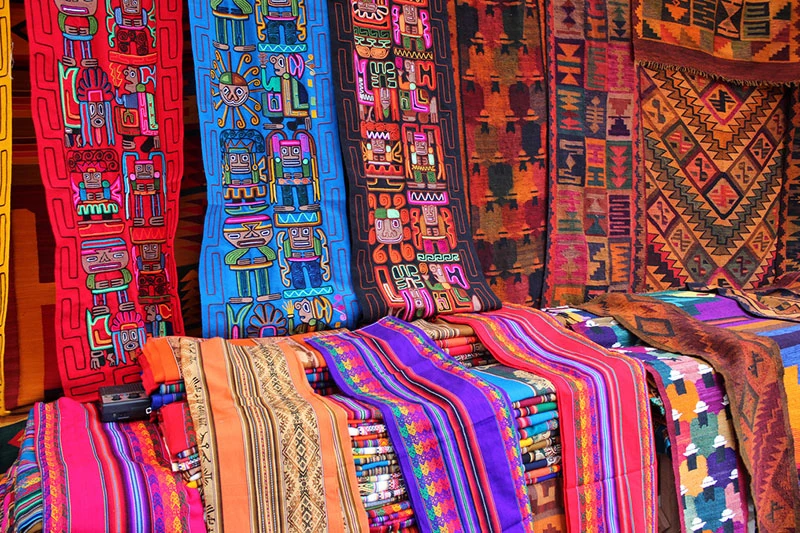
Pisac Market’s artisans craft textiles using traditional techniques passed down through generations. Look for hand-woven alpaca shawls, scarves, and blankets. The vibrant colors and intricate designs reflect the region’s Inca heritage and make perfect souvenirs to take home.
Weaving is an integral part of Andean culture, with each piece representing a blend of artistry and tradition. Artisans use backstrap looms, a centuries-old technique, to weave intricate patterns that reflect their heritage and surroundings.
When selecting a textile, pay attention to the quality of the material and the intricacy of the design. Artisans prize alpaca wool for its softness and warmth, making it a popular choice for shawls and blankets. Each piece is unique, so take your time to find one that speaks to you.
The patterns woven into each textile are not just decorative; they are rich in meaning and symbolism. Many designs represent animals, plants, and natural elements, while others tell stories of historical events or spiritual beliefs. Understanding these stories adds depth to your purchase.
Artisans at the market offer a variety of crafts inspired by Machu Picchu and other Inca sites. From carved gourds to hand-painted ceramics, these items showcase local craftsmanship and make unique, meaningful gifts.
The crafts at the market reflect Machu Picchu’s iconic status as a symbol of Inca ingenuity. Artisans draw inspiration from the site’s architecture, landscape, and history, creating pieces that capture its mystique and majesty.
Each craft is a testament to the artisan’s skill and creativity. From delicately carved gourds to brightly painted ceramics, these items highlight the diverse skills of the local community. Consider purchasing a piece that resonates with you as a memento of your visit.
By purchasing crafts at the market, you are directly supporting local artisans and their families. By supporting local artisans, you help preserve traditional techniques and create economic opportunities, giving your purchase deeper meaning.
Peruvian jewelry, often featuring silver and semi-precious stones, is another highlight. Look for pieces featuring traditional Inca symbols, adding a touch of ancient elegance to your collection.
Silversmithing has a rich history in Peru, where artisans craft exquisite jewelry. Their pieces showcase intricate designs and time-honored techniques, resulting in enduring beauty.
When choosing jewelry, consider both the aesthetic appeal and the cultural significance of the design. Seek out pieces with traditional motifs or symbols, as they often hold deeper meanings tied to the Inca legacy.

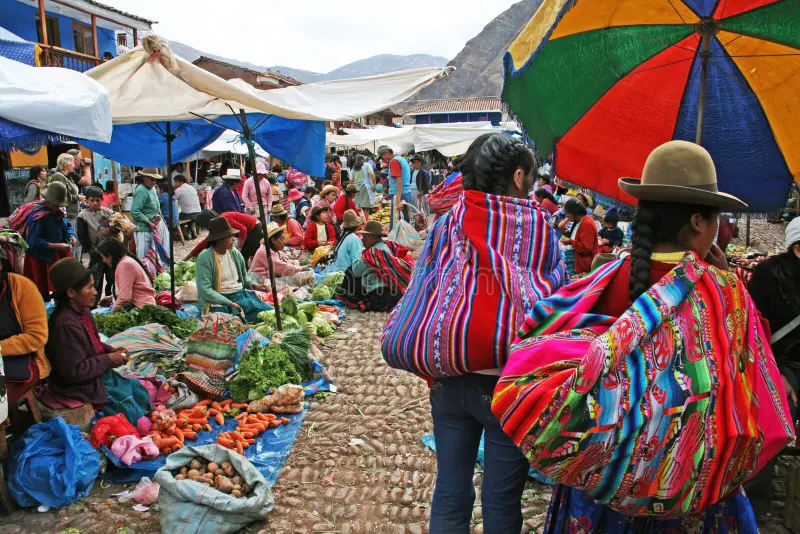
Don’t miss the chance to sample local produce. The market offers a variety of fruits, vegetables, and grains, including the renowned Peruvian corn and quinoa. These organic products are a taste of the valley’s natural bounty.
The Sacred Valley’s fertile soil and diverse climate support a wide range of crops. From colorful potatoes to exotic fruits, the market’s produce reflects the region’s agricultural wealth. Sampling these products provides a taste of the land’s bounty.
Peruvian cuisine is rich in flavors and traditions, with many dishes incorporating locally grown ingredients. Consider trying traditional snacks or meals at the market, such as empanadas or tamales, for an authentic culinary experience.
You can take many of the market’s organic products home to recreate Peruvian flavors in your kitchen. Consider purchasing items like quinoa, dried fruits, or spices to share a taste of the Sacred Valley with friends and family.

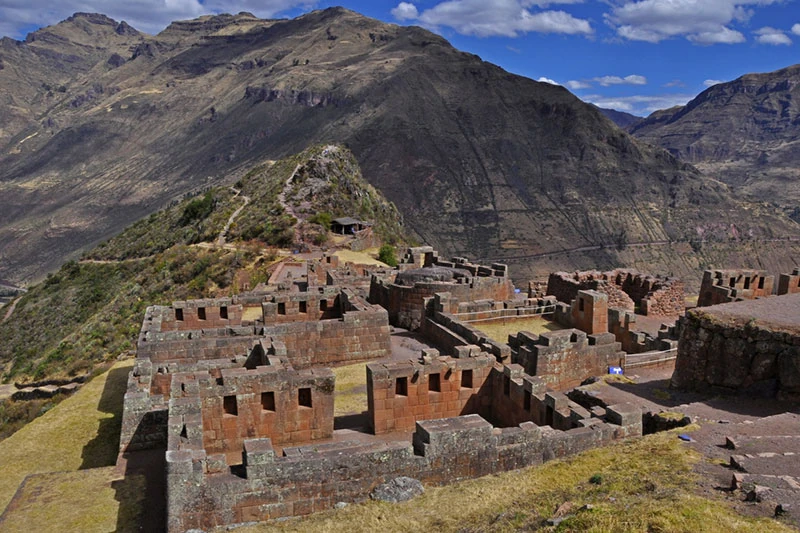
Just above the town, the Pisac Ruins are a testament to the ingenuity of the Inca civilization. The complex includes agricultural terraces, ceremonial baths, and a solar clock, providing a fascinating insight into Inca engineering and spirituality. A visit to the ruins complements your market experience, offering a deeper understanding of the region’s history.
The Pisac Ruins showcase the Inca’s architectural prowess, with structures that blend seamlessly into the natural landscape. Exploring the site lets you appreciate the precision and skill used to build these lasting monuments.
The Incas used certain areas of the ruins for religious ceremonies, giving the site spiritual significance. Understanding the site’s spiritual context connects you with Inca beliefs and adds deeper meaning to your visit.
Hire a guide at the Pisac Ruins to gain insight into the site’s history and significance. Visit the site early in the morning or late afternoon for fewer crowds and the best light for photography.

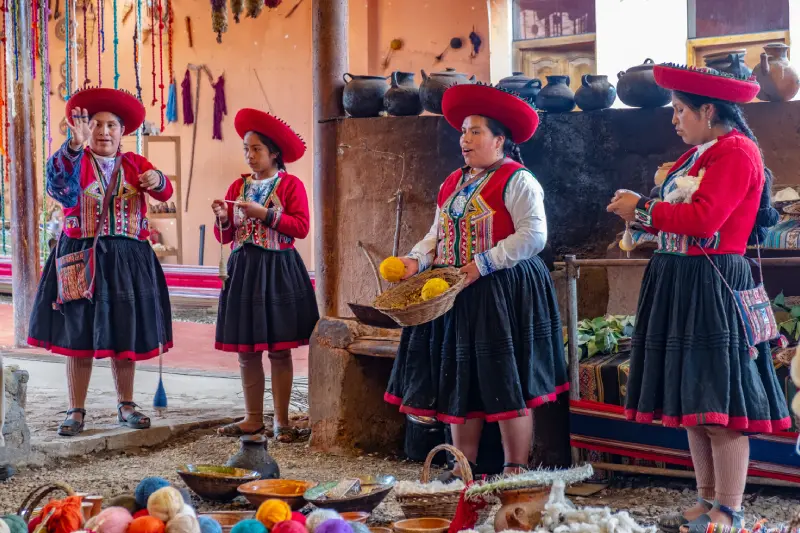
A short drive from Pisac, Chinchero is another gem in the Sacred Valley known for its weaving traditions. Visit the weaving cooperatives to watch artisans work and discover the ancient techniques behind the vibrant market textiles.
In Chinchero, you can see the full weaving process, from shearing alpacas to dyeing wool with natural colors. This firsthand experience provides a deeper understanding of the skill and dedication involved in creating the textiles.
Weaving cooperatives play a crucial role in preserving traditional techniques and providing economic opportunities for local women. By visiting these cooperatives, you are supporting their efforts and contributing to the continuation of this important cultural practice.
Many families in Chinchero actively practice weaving, keeping the community deeply connected to its heritage. Blending tradition with daily life strengthens community identity and pride, visible in the high quality of their textiles. You can participate in workshops, and it will be an unforgettable experience.
Take the time to talk with the artisans. Most are happy to share the stories behind their crafts, offering insights into the cultural significance of their work. This interaction not only enriches your visit but also supports the local economy.
Engaging with artisans fosters a deeper connection to the market and its people. Showing interest in their work helps build relationships, leading to richer interactions and a deeper appreciation of the crafts.
Artisans are experts in their fields, with a wealth of knowledge about traditional techniques and cultural practices. Engage with artisans by asking questions and listening to their insights to better understand the region’s heritage.
Buying directly from artisans supports fair trade, ensuring they earn a fair price for their work. This support helps sustain the local economy and preserves cultural traditions for future generations.

For photographers, Pisac is a dream. The vibrant colors and dynamic scenes offer endless opportunities for stunning shots. However, always ask for permission before photographing people, respecting their privacy and traditions.
Photography at Pisac Market allows you to capture the essence of the region’s culture and vibrancy. Capture the market’s colors, textures, and interactions to create a visual story of your visit.
While the market is a public space, it’s important to respect the personal boundaries of those you photograph. Always seek permission and observe body language and facial expressions to make sure locals welcome your presence.
Consider sharing your photographs with the people you capture, as a gesture of appreciation and connection. This exchange can lead to meaningful interactions and provide a tangible reminder of your shared experience.
Visiting the Pisac Market is more than shopping—it immerses you in the Sacred Valley’s rich culture. Whether you’re a corporate executive, a photographer, or a researcher, Pisac offers a unique experience for everyone. Embrace the journey and let the market’s vibrant energy guide you through an unforgettable adventure.
Pisac Market offers a unique opportunity to immerse yourself in the rich culture and traditions of the Sacred Valley. Immersing yourself in the experience deepens your appreciation for the region’s history and people, creating lasting memories.
Every visit to Pisac Market is a journey of discovery, filled with new experiences and insights. Exploring the stalls, meeting artisans, and tasting local flavors each enrich your understanding of this remarkable place.
As you explore Pisac Market, remember that your visit can have a positive impact on the community. Supporting local artisans and respecting cultural practices preserves traditions and benefits the well-being of the region’s people.