Cusco Inca Ruins: A Journey Through Ancient Peru

The Sacred Valley, or “Valle Sagrado,” is a lush, fertile region that stretches between Cusco and the lost city Machu Picchu. This area was of great importance to the Incas due to its rich agricultural land and strategic location. 

It also served as a vital corridor for trade and communication. As you journey through the Sacred Valley, you’ll encounter several key sites that offer a glimpse into Inca ingenuity and spirituality.

Overview of the Sacred Valley

cusco inca ruins

Pisac ruins is often the first stop on any Sacred Valley itinerary. Known for its vibrant market and impressive ruins. In fact Pisac provides a fascinating introduction to Inca engineering. Wander through the agricultural terraces that cascade down the mountainside, marvel at the precision of the stonework. Additionally the market is a spectacle of colors and sounds, where local artisans sell handmade crafts. Using traditional clothing, offering a perfect opportunity to immerse yourself.

The ruins of Pisac also provide insight into the Inca’s agricultural practices. Terraces that were designed not only for farming but also for preventing soil erosion. The layout of Pisac’s urban sector demonstrates the advanced urban planning skills of the Incas. Having  residential, ceremonial, and agricultural areas all carefully organized. As you explore the site, consider how these ancient people harmonized their architecture.

Ollantaytambo: Ancient Fortress and Living Culture

Ollantaytambo is one of the best-preserved Inca settlements and offers a unique blend of ancient and living culture. As you explore the massive fortress that overlooks the town, you’ll find yourself surrounded by history. Climb the steep terraces for a breathtaking view. Imagine the battles that once took place here. The fortress was a key defensive structure during the Spanish conquest and remains a symbol of Inca resistance.

After exploring the fortress, take time to wander through the village. In fact a traditional Andean life continues much as it has for centuries. The cobblestone streets are lined with original Inca walls, and the local residents often dress in traditional attire. The town’s layout, with its narrow streets and irrigation channels. Reflects the advanced urban planning of the Incas. Moreover providing insight into how they designed their settlements to support both daily life and military defense.

Chinchero: The Birthplace of the Rainbow

Chinchero, often referred to as the birthplace of the rainbow, is a small Andean village that offers a glimpse into the traditional way of life. Known for its vibrant textile industry, Chinchero is a place where ancient techniques are still used to create beautiful woven goods. Visit one of the local weaving cooperatives to see the intricate process of dyeing and weaving.

The ruins of Chinchero are also worth exploring, with their finely crafted stone walls and terraces. These ruins are believed to be the royal estate of Tupac Inca Yupanqui. The site includes a colonial church built on Inca foundations. Adding the blend of cultures that characterizes much of Cusco. The surrounding landscapes offer stunning views of the snow-capped mountains.

Key Archaeological Sites Near Cusco

Back in Cusco, the city itself is a living museum of Inca and Spanish colonial history. Walking through its cobbled streets, you will find a harmony of architectural styles, with the foundations of Inca temples supporting colonial buildings.

Just a short distance from the city center, Sacsayhuamán is an awe-inspiring fortress that showcases the Incas’ remarkable engineering skills. The massive stone walls, some of which weigh over 100 tons, fit together perfectly without the use of mortar. As you explore this UNESCO World Heritage site, try to imagine the grand ceremonies and fierce battles that once took place here. The site was of both military and religious significance. Wich served as a stage for the Inti Raymi festival, which continues to be celebrated today.

The strategic design of Sacsayhuamán allowed it to serve as a stronghold during times of conflict. The fortress’s zigzag walls are thought to represent the teeth of a puma. As you walk among the ruins, consider how this architectural marvel was constructed using only the most basic tools and techniques.

Puca Pucara: The Strategic Outpost

cusco inca ruins

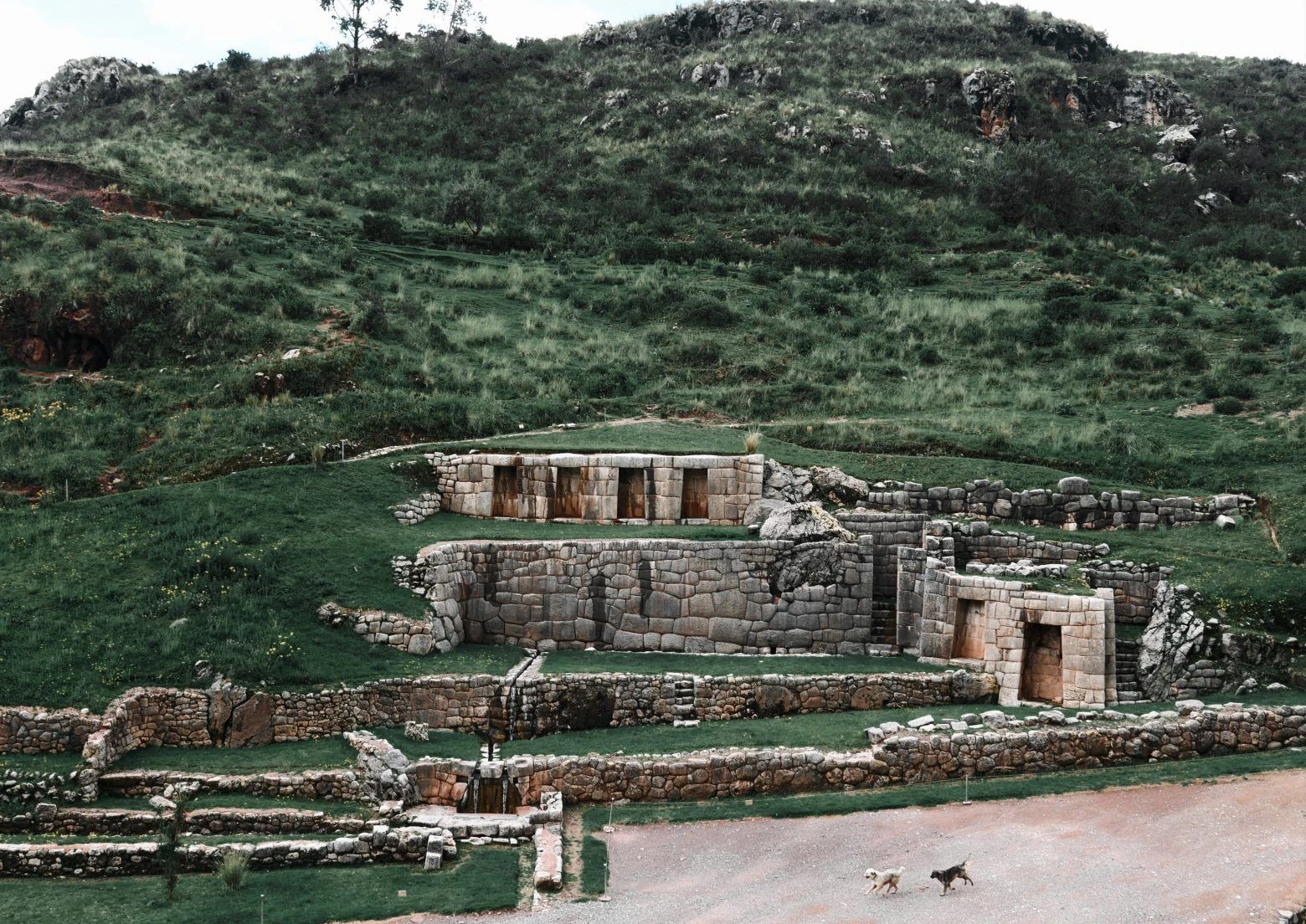
Puca Pucara, meaning “Red Fortress,” is another intriguing site near Cusco. This small fortress served as a military outpost and checkpoint on the road to the Sacred Valley of the Incas. Its strategic position offers panoramic views of the surrounding landscape, making it an excellent spot for capturing photographs, especially at sunset when the stones glow with a reddish hue. The site’s name derives from the reddish color the stones take on at sunset.

The fort’s proximity to Cusco suggests it was part of a network of inca sites that ensured the security of the Inca capital. As you explore Puca Pucara, consider how its design reflects the Incas’ understanding of strategic military positioning. The site includes terraces, staircases, and aqueducts, showcasing the Incas’ ability to adapt their architectural style to the needs of both defense and daily life.

Q’enqo: A Spiritual Labyrinth

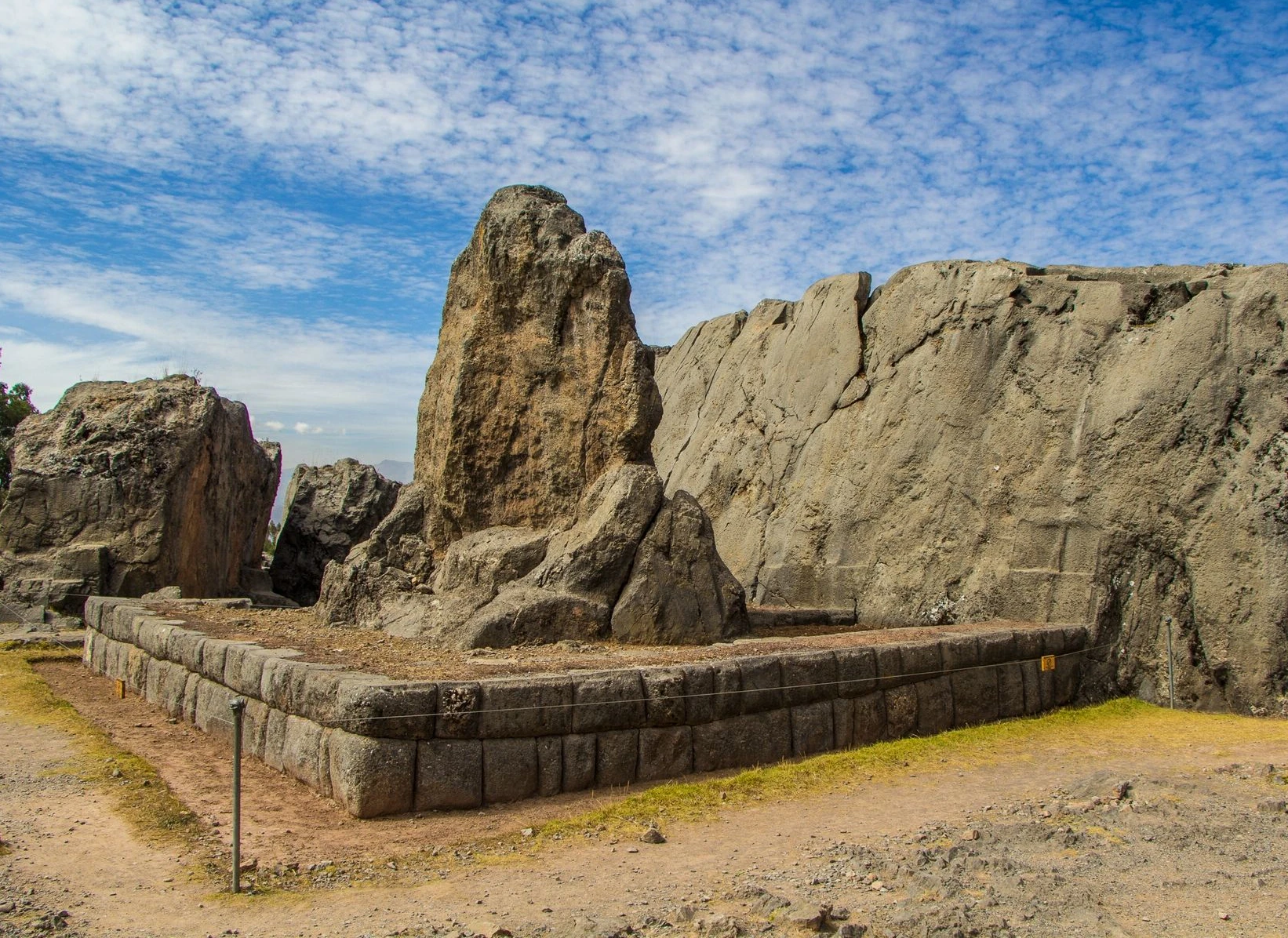
Q’enqo is one of the most mysterious archaeological sites near Cusco, consisting of a complex of tunnels, channels, and carved rocks. Believed to have been used for ceremonial purposes, Q’enqo’s labyrinthine design invites exploration and contemplation. The site includes a large amphitheater and a series of zigzagging channels carved into the rock, which are thought to have been used for ritual offerings.

As you wander through Q’enqo, consider the spiritual significance of this place for the Inca civilization. The site’s name, meaning “labyrinth” or “zigzag,” reflects its intricate design. The presence of altars and carved figures suggests that Q’enqo was a place of worship and sacrifice, where the Incas would have performed rituals to honor their gods.

cusco inca ruins

Moray: The Agricultural Laboratory

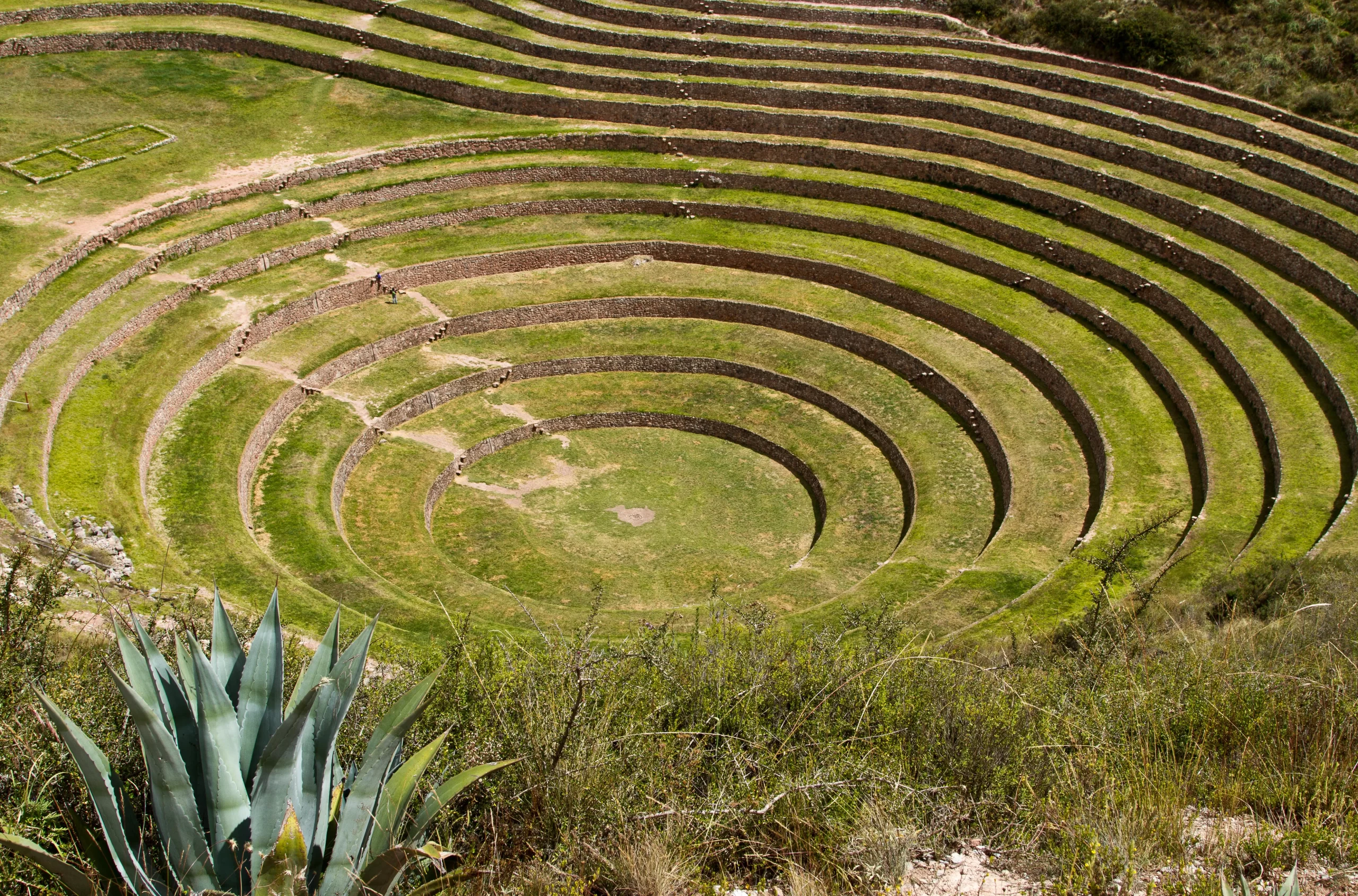
Moray is one of the most unique archaeological sites in Peru, often referred to as the “agricultural laboratory” of the Incas. Here, you’ll find a series of concentric terraces resembling a Greek amphitheater. Each level has its own microclimate, which the Incas used to experiment with crop cultivation. This ingenious use of the land gives insight into the agricultural prowess of the Inca civilization. The design of Moray allowed the Incas to simulate different environmental conditions, enabling them to cultivate a variety of crops that would thrive in different climates.

The terraces at Moray demonstrate the Incas’ understanding of ecological and environmental science. As you explore the site, consider how the Incas’ agricultural innovations contributed to the sustainability and success of their civilization. The knowledge gained from these experiments would have been crucial for ensuring food security in the diverse climates of the Andes.

A short drive from Moray, the Maras salt mines present a striking contrast to the lush greenery of the valley. These salt pans, still in use today, have been harvested for centuries. Walk among the pools and observe the traditional methods of salt extraction. The glistening white terraces against the mountain backdrop offer a fantastic photo opportunity. The salt mines of Maras are a testament to the ingenuity and resourcefulness of the local people.

cusco inca ruins

Maras: The Salt Mines of Peru

The salt extraction process at Maras is a communal effort, with families owning and maintaining individual pans. As you explore the site, consider the social and economic importance of this industry, both historically and in the present day. The unique landscape of Maras, with its thousands of salt pans, creates a dazzling mosaic that is a visual feast for visitors and photographers alike.

Chinchero, often referred to as the birthplace of the rainbow, is a small Andean village that offers a glimpse into the traditional way of life. Known for its vibrant textile industry, Chinchero is a place where ancient techniques are still used. Visit one of the local weaving cooperatives to see the intricate process of dyeing and weaving, a skill passed down through generations.

The ruins of Chinchero are also worth exploring, with their finely crafted stone walls and terraces. These ruins are believed to be the royal estate of Tupac Inca Yupanqui, and the site includes a colonial church built on Inca foundations, symbolizing the blend of cultures that characterizes much of Cusco. The surrounding landscapes offer stunning views of the snow-capped mountains, providing a serene backdrop for reflection and photography.

The Crown Jewel: Machu Picchu


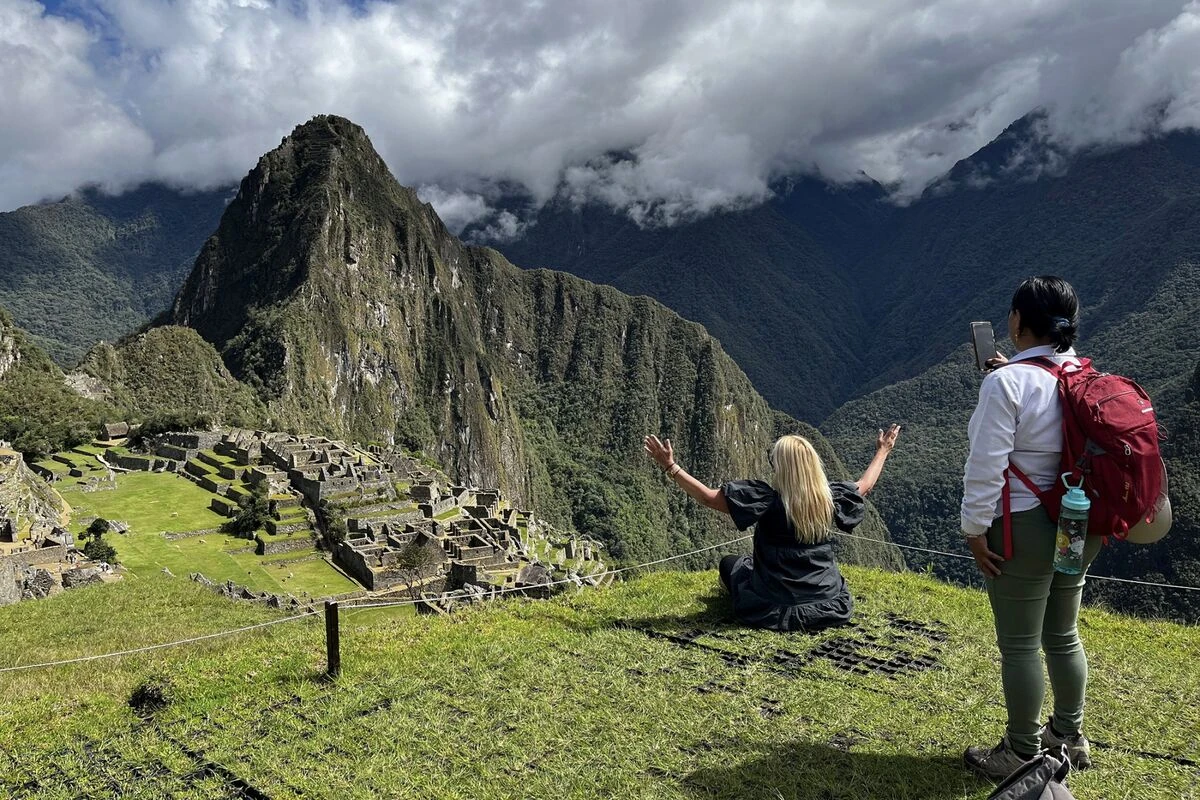
No journey through the Inca ruins of Cusco is complete without visiting Machu Picchu, the crown jewel of Inca architecture. Whether you arrive via the Inca Trail to Machu Picchu or take the train from Ollantaytambo, the sight of Machu Picchu nestled among the clouds is sure to leave you breathless. As you wander through this ancient citadel, consider the mystery of its construction and the lives of those who once inhabited it. The intricate stonework, terraced fields, and ceremonial structures all speak to the advanced engineering and spiritual life of the Incas.

Machu Picchu’s location high in the Andes adds to its mystique, and the site’s discovery in 1911 by Hiram Bingham continues to captivate historians and tourists alike. Theories about Machu Picchu’s purpose range from a royal estate to a religious retreat, each adding to the allure of this iconic site. As you explore its various sectors, from the Temple of the Sun to the Intihuatana stone, reflect on the ingenuity and vision of the civilization that created such a marvel.

The journey to Machu Picchu is as much a part of the experience as the site itself. The Inca Trail offers a challenging yet rewarding trek through stunning landscapes, while the train ride provides a more leisurely approach with breathtaking views of the Urubamba River and surrounding mountains. Whichever path you choose, reaching Machu Picchu is a moment of triumph and awe, a testament to the enduring legacy of the Inca Empire.

cusco inca ruins

Practical Tips for Visiting

  • Plan Your Visits: To make the most of your time, consider taking Cusco tours. They can provide detailed insights and help navigate the sites efficiently. Guides can enrich your experience by sharing stories and legends that bring the ruins to life.
  • Acclimatize to the Altitude: Cusco is over 11,000 meters above sea level. Spend a few days acclimating to avoid altitude sickness. Drink plenty of water, rest, and consider drinking coca tea, a traditional remedy for Cusco’s impressive altitude adjustment. Taking it slow and allowing your body to adjust will ensure you can fully enjoy your explorations.
  • Capture the Magic: For photographers, early morning and late afternoon light offer the best conditions. The soft light highlights the textures and details of the stonework, creating dramatic shadows that enhance the beauty of the sites. Be prepared for changing weather conditions, and always have your camera ready to capture the unexpected moments.
  • Respect the Sites: Always be mindful of the cultural significance and fragile nature of these ancient sites. Follow local guidelines to preserve their beauty for future generations. Stay on designated paths, refrain from touching or climbing on the ruins. By showing respect, you contribute to the ongoing preservation efforts that protect these invaluable links to our past.

A Call to Experience Ancient Peru

Whether you’re seeking relaxation, inspiration, or knowledge. The Inca ruins of Cusco offer a journey through time that promises to enrich your understanding of Peru. So pack your bags, open your mind, and let the ancient whispers of the Andes guide your adventure.


Text Widget

Nulla vitae elit libero, a pharetra augue. Nulla vitae elit libero, a pharetra augue. Nulla vitae elit libero, a pharetra augue. Donec sed odio dui. Etiam porta sem malesuada.

Recent Comments