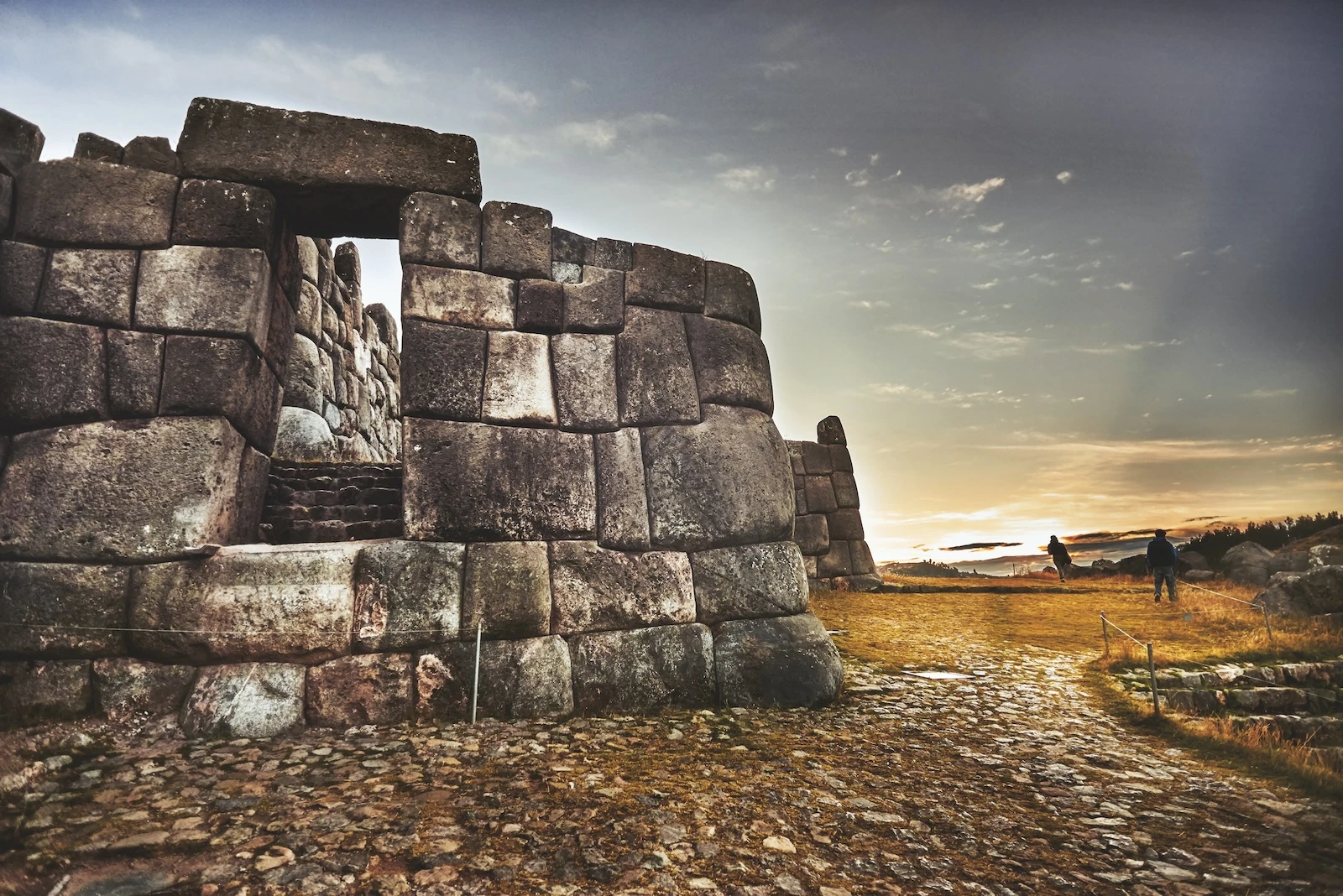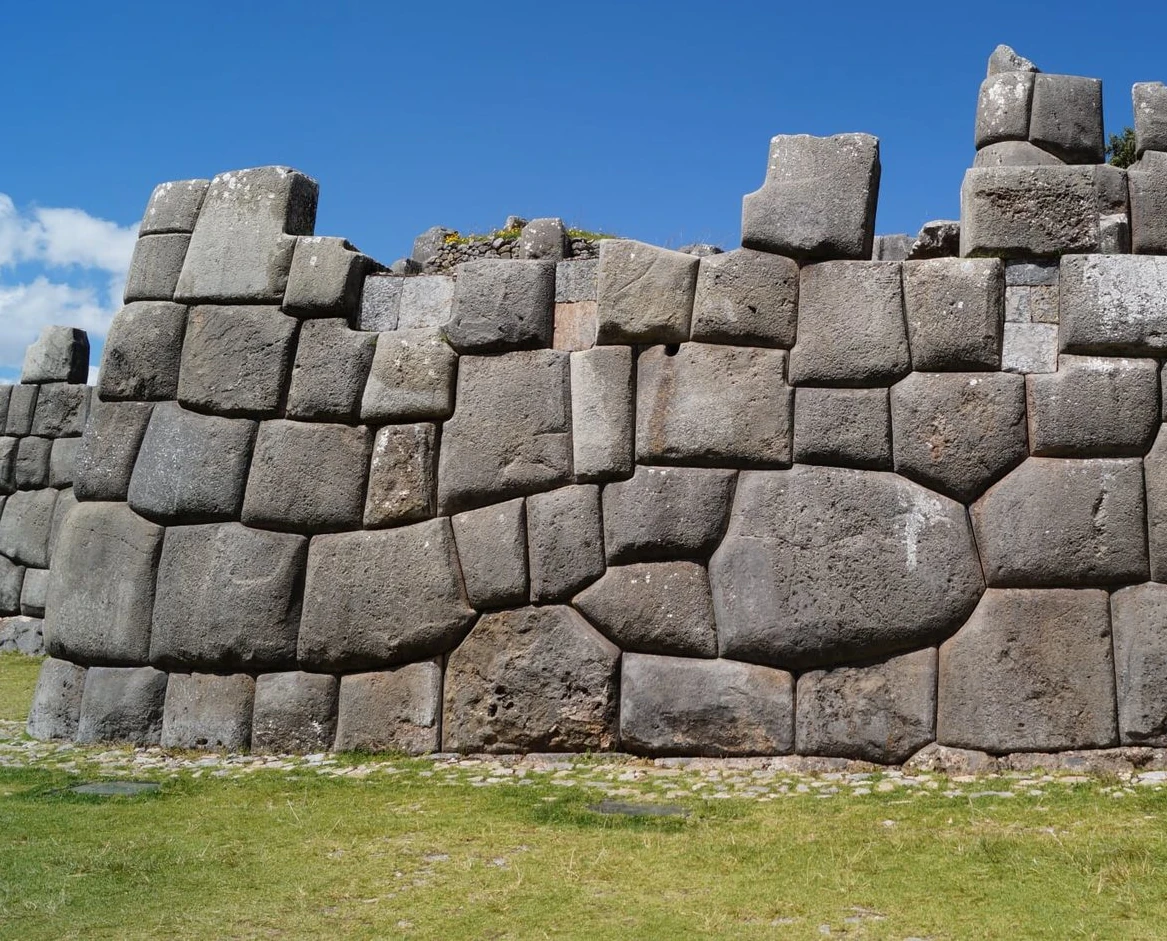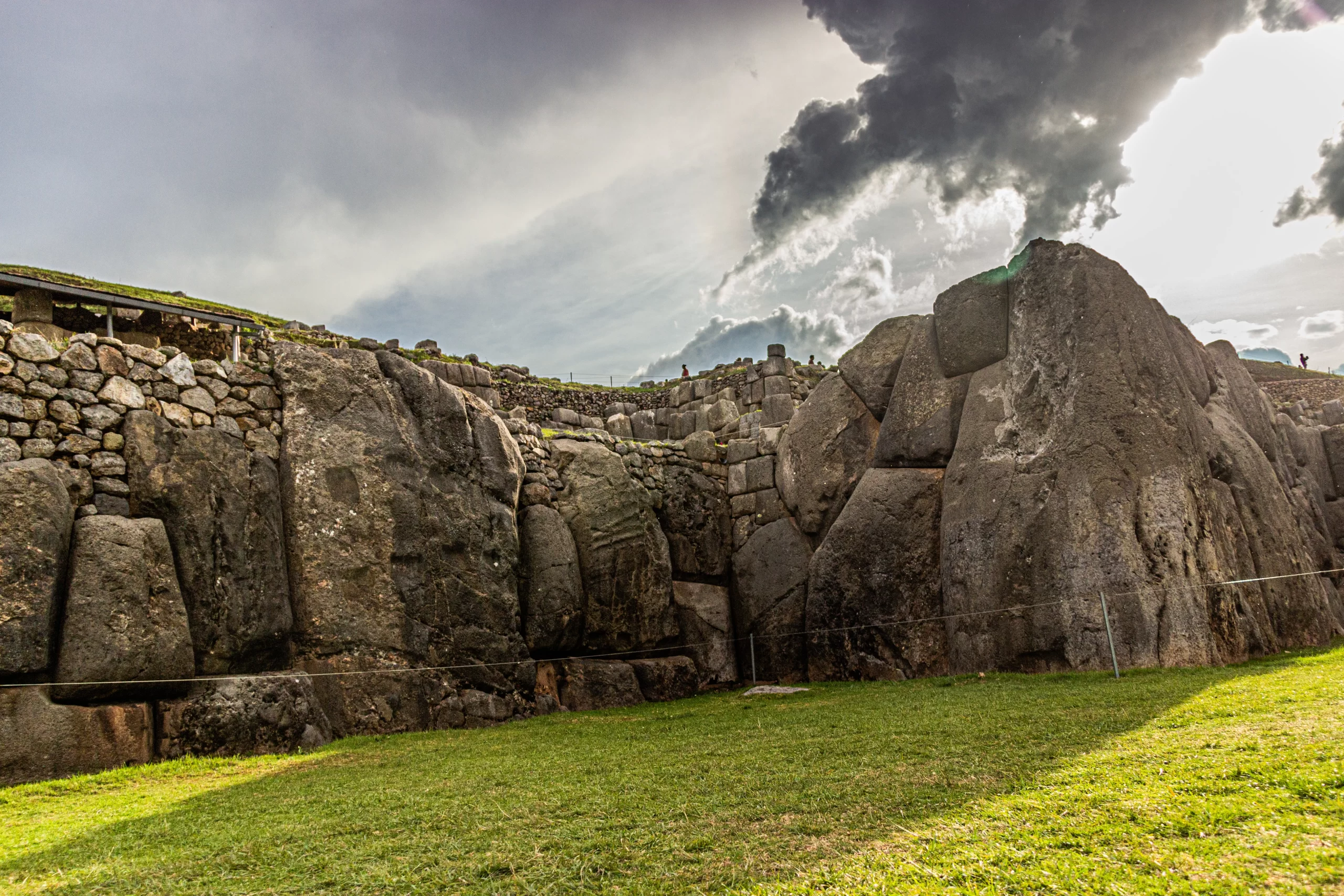
Sacsayhuamán, located on the outskirts of Cusco, is an impressive archaeological site that continues to mystify historians and travelers alike. Known for its massive stone walls, some of which weigh over 100 tons, this site demonstrates the remarkable architectural prowess of the Incas.
The precision with which these stones were cut and fitted together, without the use of mortar. The stones fit so precisely that not even a blade of grass can fit between them.
In addition to its architectural feats, Sacsayhuamán’s strategic design further adds to its enigma. The fortress is laid out in a zigzag pattern, possibly symbolizing the sacred Inca animal, the snake. This design not only provided strong defensive capabilities but also represented the Inca’s connection to their spiritual beliefs. Many theories suggest the fortress was more than just a military stronghold. In fact it was a ceremonial center reflecting the harmony between the Incas and their environment.
Walking through Sacsayhuamán is like stepping back in time. The site was originally a ceremonial complex and played a crucial role in Inca culture. Its strategic position provided a panoramic view of the surrounding valleys, making it an ideal location for both defense and spiritual ceremonies. The Incas believed that Cusco was the “navel of the world,” and Sacsayhuamán was a key element in this cosmological view, acting as the head of the puma-shaped city.

The ancient ceremonies conducted here were not merely religious but were also vital social and political events. Sacsayhuamán served as a stage for rituals that reinforced the divine authority of the Inca rulers and united the people under a shared cultural identity. These gatherings were essential for maintaining the social fabric of the empire, bringing together different communities and fostering a sense of unity and purpose.
The stones of Sacsayhuamán hold stories of their own. Each stone was meticulously shaped and transported from quarries miles away, a feat that required immense labor and coordination. The process of moving these stones remains a mystery, with theories ranging from the use of log rollers to intricate pulley systems. Despite the lack of modern machinery, the Incas managed to construct walls that have withstood centuries of earthquakes, a testament to their incredible engineering skills.
The stonework at Sacsayhuamán is not just functional but also symbolic. The Incas imbued their structures with spiritual significance, believing that the stones held a connection to the earth and the gods. This belief is reflected in the meticulous craftsmanship and the effort invested in constructing such monumental edifices. The stones of Sacsayhuamán stand as silent witnesses to the ingenuity and spirituality of the Inca civilization.
For the time-strapped traveler, planning a visit to Sacsayhuamán can be streamlined with the right approach. The site is easily accessible from Cusco, the gateway to the Sacred Valley of the incas . Many Cusco tours include Sacsayhuamán as a highlight, offering guided experiences that enrich your understanding of the site’s historical significance. These tours often provide convenient transportation options, allowing you to maximize your time and focus on exploring the site.

When planning your journey, consider the best time to visit Cusco city. Early mornings or late afternoons offer cooler temperatures and fewer crowds. The changing light during these times also enhances the dramatic beauty of the stone structures. A magical that is perfect for photography and reflection.
Cusco itself is a fascinating city worth exploring before or after your visit to Sacsayhuamán. As the former capital of the Inca Empire, Cusco is rich in history and culture. Moreover Cusco has with a plethora of museums, markets, and architectural wonders. Strolling through its cobblestone streets, you’ll encounter a blend of Inca and Spanish colonial influences.
To navigate Cusco efficiently, take advantage of local transportation options such as taxis or buses. Many visitors also enjoy walking, as it allows for a more immersive experience and the chance to discover hidden gems around every corner. Whether you’re visiting ancient ruins like the Qorikancha or sampling traditional cuisine at a local eatery, Cusco offers a wealth of experiences that complement your exploration of Sacsayhuamán.
To visit Sacsayhuamán, you’ll need a Boleto Turístico, or tourist ticket, which grants access to multiple archaeological sites in and around Cusco. This ticket is a convenient option for those who wish to explore the rich cultural landscape of the region. The Boleto Turístico not only provides entry to Sacsayhuamán but also includes other significant sites, allowing for a comprehensive exploration of the area’s history.
Ensure you purchase your ticket in advance or upon arrival in Cusco, as it is essential for accessing the site. The ticket office provides information on the various options available, including full and partial tickets, depending on your itinerary. With your Boleto Turístico in hand, you’re ready to embark on a journey through time, uncovering the mysteries and marvels of Sacsayhuamán and beyond.
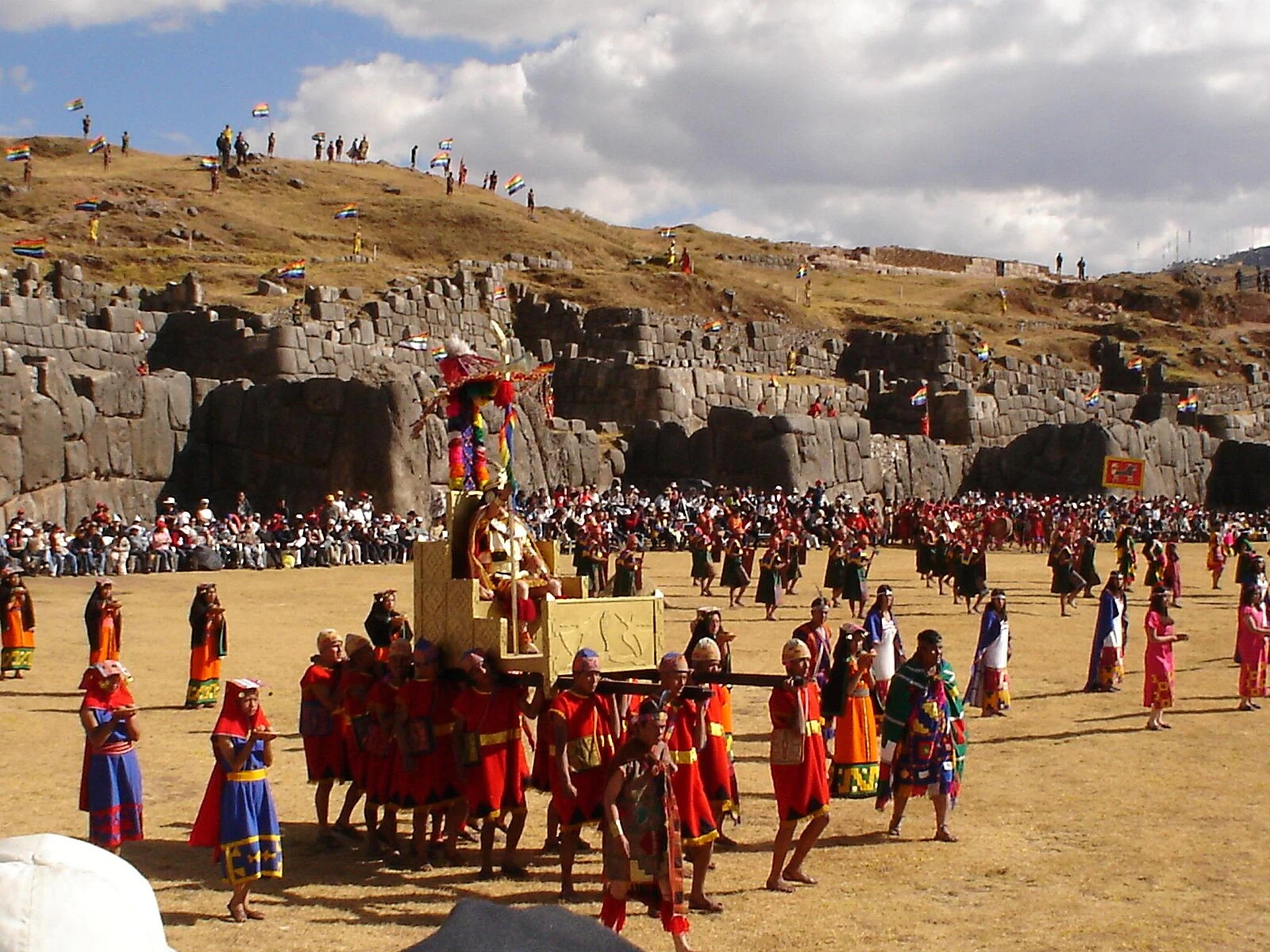
One of the most vibrant cultural festivals held at Sacsayhuamán is Inti Raymi, the Festival of the Sun. Celebrated annually in June, this event is a spectacular reenactment of ancient Inca rituals dedicated to Inti, the Sun God. Thousands of visitors gather to witness traditional dances, music, and ceremonies that bring the past to life in a vivid display of cultural pride. The festival is a testament to the enduring legacy of the Incas, celebrating their connection to nature and the cosmos.

Inti Raymi is not just a celebration but a living tradition that highlights the resilience and creativity of the Andean people. Participants don colorful costumes and perform age-old rituals, paying homage to the sun, which was considered the source of all life. The festival serves as a reminder of the deep spiritual beliefs that continue to shape the identity of the region, offering a unique opportunity to experience a piece of Incan heritage firsthand.
For photographers and cultural enthusiasts, Inti Raymi presents a unique opportunity to capture the essence of Incan traditions amidst the dramatic backdrop of Sacsayhuamán’s stone walls. The vibrant costumes and dynamic performances create a visual feast, offering endless opportunities for creativity. Photographers can experiment with different angles and perspectives, capturing the energy and emotion of the festival.
The festival’s performances are not only visually stunning but also deeply symbolic. Each dance and ritual tells a story, conveying the beliefs and values of the Inca civilization. By understanding the cultural context behind these performances, visitors can gain a deeper appreciation for the richness of Andean traditions and the resilience of indigenous communities in preserving their heritage.
Attending Inti Raymi is also an opportunity to engage with the local culture and community. The festival attracts visitors from around the world, creating a vibrant atmosphere. Interacting with locals and fellow travelers can enrich your experience.
In addition to the main event, Cusco offers a range of activities and attractions that complement the Inti Raymi experience. From exploring local markets for shopping local crafts, to participating in workshops on traditional crafts. There are countless ways to immerse yourself in the culture and connect with the people who call this region home. By engaging with the community, you can deepen your understanding of the cultural heritage that makes Inti Raymi so special.
For freelance photographers, Sacsayhuamán offers a treasure trove of photographic opportunities. Early morning or late afternoon light casts a magical glow over the stones, highlighting their intricate textures and casting long shadows that enhance the site’s mystique. The interplay of light and shadow creates a dynamic environment that encourages experimentation and creativity.
Consider using a wide-angle lens to capture the grandeur of the fortress and its surroundings. Wide-angle shots can convey the scale of the site and its relationship with the surrounding landscape. Additionally, don’t be afraid to experiment with different compositions and focal lengths, as each perspective can reveal a new aspect of Sacsayhuamán’s beauty.
Don’t forget to explore different perspectives climb to higher vantage points for sweeping panoramas of Cusco and the Sacred Valley. These elevated views provide a unique perspective on the site. People can see glimpse into the vastness of the Andean landscape. By changing your viewpoint, you can capture the essence of Sacsayhuamán from multiple angles, each telling its own story.
Close-up shots can also reveal the intricate details of the stonework and the craftsmanship of the Inca builders. By focusing on specific elements, such as the precise joinery of the stones or the textures of the surfaces. Additionally photographers can highlight the artistry and skill involved in creating this architectural masterpiece. These detailed shots complement the broader vistas, providing a comprehensive visual narrative of Sacsayhuamán.

Photography at Sacsayhuamán is not limited to the stones and landscapes; it also includes capturing the cultural nuances of the site. The presence of local visitors and performers during festivals like Inti Raymi adds a dynamic element to your photos, showcasing the living culture and traditions of the region. Capturing candid moments and interactions can add depth to your photographic storytelling, highlighting the human connection to this ancient site.
When photographing people, always be respectful and considerate, seeking permission when necessary and engaging with subjects to create a comfortable atmosphere. By building rapport and understanding the cultural context, you can capture authentic and meaningful images that convey the spirit of Sacsayhuamán and its significance to the local community.
While exploring, take your time to appreciate the complex stonework and imagine the bustling ceremonies that once took place here. Guided tours provide valuable insights, but if you prefer to wander at your own pace, informative plaques and markers are available throughout the site. These resources offer historical context and enhance your understanding of the significance of each area within Sacsayhuamán.
Consider bringing a map or guidebook to help you navigate the site and identify key features. With a little preparation, you can create your own personalized tour, focusing on the aspects that interest you most. Whether you’re drawn to the architectural marvels, the spiritual significance, or the stunning vistas, Sacsayhuamán offers a wealth of exploration opportunities.
As a visitor, it’s important to respect the cultural and historical heritage of Sacsayhuamán. Follow designated paths and avoid climbing on the stones, as this can cause damage to the site. Preserving the integrity of this UNESCO World Heritage Site ensures that future generations can continue to learn from and appreciate its wonders.
Engage with the site mindfully, taking the time to reflect on its historical significance and the legacy of the Inca civilization. By approaching your visit with respect and curiosity, you contribute to the ongoing preservation efforts and deepen your own connection to this remarkable place.
For academic researchers, Sacsayhuamán offers a wealth of cultural and historical insights. The site serves as a living laboratory for studying Incan engineering, religious practices, and societal structures. Engaging with local historians or participating in workshops can deepen your understanding and provide context for your research. These interactions offer unique perspectives and firsthand knowledge that enrich your studies.
Researchers can explore various aspects of Sacsayhuamán, from its architectural techniques to its role in Incan cosmology. The site’s layout and design offer clues about the Inca’s understanding of astronomy and their relationship with the natural world. By analyzing these elements, researchers can uncover new insights into the sophistication and worldview of the Inca civilization.
To enhance your experience, consider engaging with the local community. Cusco is home to vibrant markets, artisanal crafts, and culinary delights that offer a taste of Peruvian culture. Interacting with residents can provide personal stories and perspectives that enrich your understanding of the region’s heritage. These connections offer a deeper appreciation for the traditions and values that continue to shape the community today.
Participating in cultural events, such as workshops or traditional festivals, allows you to immerse yourself in the local way of life. These experiences provide valuable context for your research and foster a greater connection to the people and culture of the Andes. By building relationships and sharing knowledge, you contribute to a mutual exchange of ideas and cultural appreciation.
Sacsayhuamán is just one part of the rich cultural landscape of the Cusco region. Researchers have the opportunity to explore other archaeological sites and cultural attractions, each offering unique insights into the Inca civilization and its legacy. From the iconic Machu Picchu to the Sacred Valley’s lesser-known gems, there are countless opportunities for discovery and exploration.
Collaborating with local institutions and organizations can also enhance your research efforts. These partnerships provide access to resources, expertise, and networks that support your studies and open new avenues for inquiry. By engaging with the local academic and cultural community, researchers can contribute to the ongoing preservation and understanding of Peru’s rich heritage.
Sacsayhuamán is more than just an archaeological site; it’s a portal to the past, a canvas for photography, and a hub for cultural exploration. Whether you’re seeking a quick escape, a photographic journey, or an in-depth research journey, this UNESCO World Heritage Site promises an unforgettable experience. The mysteries and marvels of Sacsayhuamán continue to inspire and captivate all who visit, offering a unique window into the ingenuity and spirituality of the Inca civilization.
Plan your visit to Sacsayhuamán today and immerse yourself in the rich tapestry of history and culture that defines this remarkable corner of the world. Safe travels! As you explore the wonders of Sacsayhuamán, you’ll discover a deeper connection to the past and a renewed appreciation for the enduring legacy of the Inca Empire.

Recent Comments