Ausangate Trek Peru Glacier Lakes Mountains Culture

The Ausangate Trek is a high-altitude journey, often hailed as one of Peru’s most challenging yet rewarding hikes. With its remote paths, you’ll experience the awe-inspiring beauty of glacier-capped peaks and shimmering alpine lakes. As you traverse the trails, the vibrant hues of Rainbow Mountain and the tranquility of the Sacred Valley will unfold before you.

Embarking on the Ausangate Trek typically involves a journey spanning 5 to 7 days, depending on your pace and interest in side trips. Starting from the bustling city of Cusco, you’ll make your way to the trailhead at Tinqui. From here, the adventure truly begins with each day bringing new landscapes and experiences.

Journey Itinerary

ausangate trek

  • Day 1:

    Cusco to Tinqui Arrive at Tinqui, a charming village that serves as the gateway to your Ausangate experience. Here, you’ll find a warm welcome from the locals who are accustomed to travelers embarking on this epic journey. Take some time to acclimate, enjoy the local hospitality, and perhaps explore the village, which provides a glimpse into the traditional Andean lifestyle.

  • Day 2:

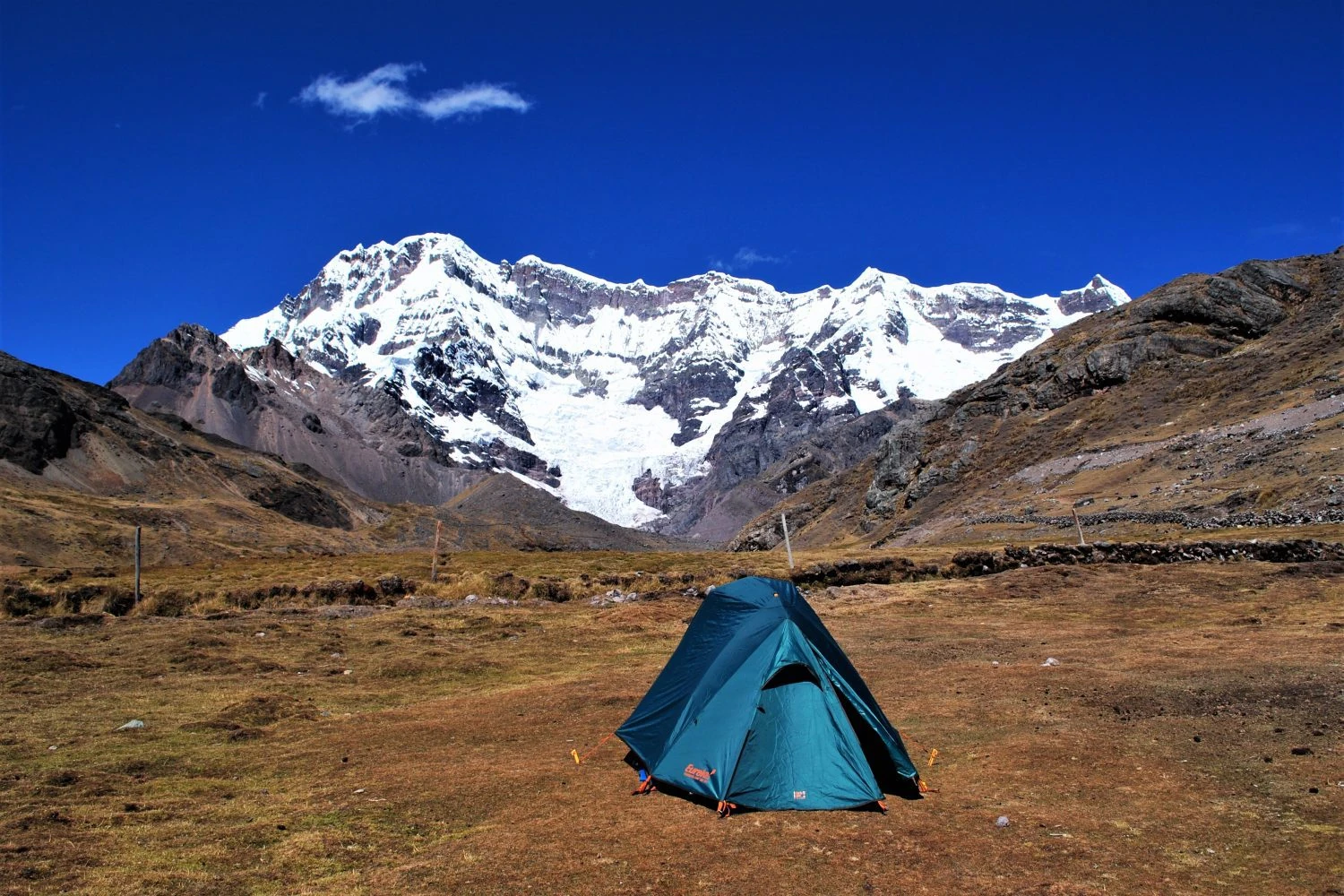
    Tinqui to Upis: Begin your trek with a gradual ascent, leading you to the hot springs of Upis. The trail is dotted with stunning scenery that sets the tone for the days ahead. At Upis, soak in the warm waters while gazing at the majestic Ausangate Mountain, letting the tranquility of your surroundings wash over you. It’s also a great opportunity to engage with fellow trekkers and share stories around a campfire.

  • Day 3:

    Upis to Pucacocha: This day’s hike offers stunning views of towering peaks and leads you to the serene Pucacocha Lake. As you trek, the path meanders through valleys and along ridges, offering panoramic views at every turn. Pucacocha is a perfect spot for photographers to capture the reflection of the mountains on the lake’s surface, a scene that changes with the light throughout the day. Here, you can also learn about the local legends associated with the lake and its spiritual significance to the Andean people.

  • Day 4:

    Pucacocha to Palomani Pass: Brace yourself for the highest point of the trek, Palomani Pass, at an elevation of 5,200 meters (17,060 feet). The ascent is challenging but rewarding, as the panoramic views from the pass are nothing short of spectacular. Marvel at the vastness of the Andean landscape stretching out before you, a testament to the raw beauty and power of nature. This day is a true test of endurance and spirit, but the sense of achievement upon reaching the pass is unmatched.

  • Day 5:

    Palomani Pass to Sorapata: Descend into the valley as you make your way to Sorapata, a tranquil campsite surrounded by lush greenery and grazing llamas. The descent allows you to relax and take in the changing scenery as you leave the high peaks behind. Sorapata provides a peaceful setting to reflect on your journey so far. Spend the evening under the stars, perhaps catching a glimpse of the Milky Way.

  • Day 6:

    Sorapata to Pacchanta Conclude your trek in the village of Pacchanta. A place where you can relax in the soothing hot springs and reflect on your incredible journey. Pacchanta is a vibrant community where you can witness traditional Andean life. Celebrate your trek with a feast of local cuisine, sharing stories and experiences with fellow trekkers. Before heading back to Cusco, take one last moment to soak in the natural hot springs.

Cultural Insights

ausangate trek

The Ausangate region is rich in cultural heritage, offering more than just stunning landscapes. As you trek, you’ll encounter local Quechua communities. The people here are known for their vibrant textiles and warm hospitality, and engaging with the locals provides a unique insight into their way of life.

  • Quechua Traditions and Lifestyle: The Quechua people have inhabited the Andes for centuries, maintaining a close connection with their environment. Their traditional farming techniques, textile weaving, and spiritual practices reflect a deep reverence for nature. As you interact with these communities. In fact you’ll gain a deeper understanding of their sustainable lifestyle and how they thrive in the harsh mountain conditions.
  • Vibrant Textiles and Artisanship: One of the most striking aspects of Quechua culture is their textiles, woven with intricate patterns and vibrant colors. These textiles are not only beautiful but also tell stories of the community’s history and beliefs. Visiting local markets or workshops, you can observe artisans at work and perhaps purchase a piece of this cultural heritage to take home.
  • Warm Hospitality and Cultural Exchange: The warmth of the Quechua people is evident in their hospitality towards visitors. Whether you’re invited to share a meal or participate in a local festival, these interactions provide an invaluable opportunity for cultural exchange. Through these encounters, you’ll learn about the challenges and joys of life in the Andes, enriching your trekking experience with personal connections and shared stories.

Natural Wonders

The Ausangate Trek is not just about mountains and lakes. It’s also a haven for wildlife enthusiasts. The diverse ecosystems of the Andes support a wide range of flora and fauna.

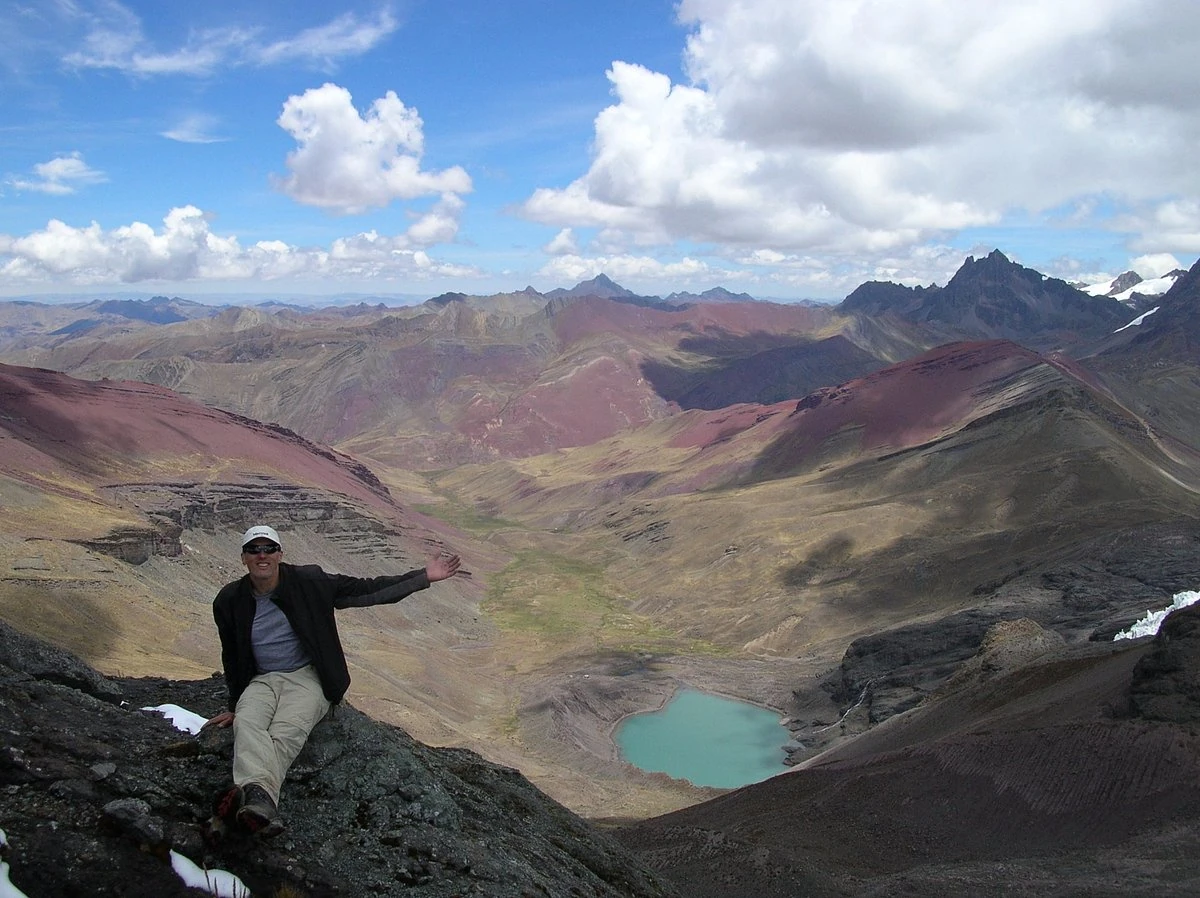
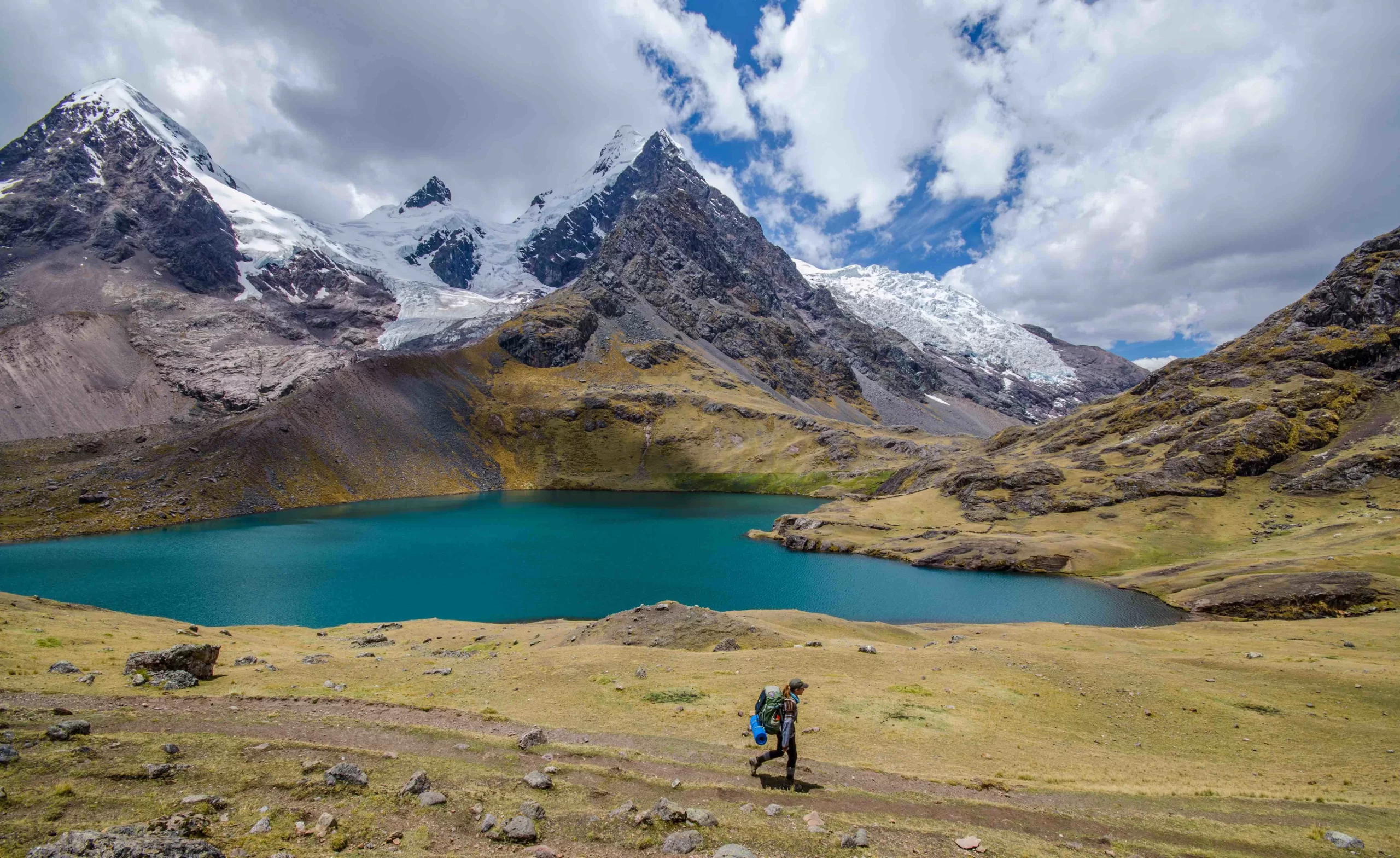
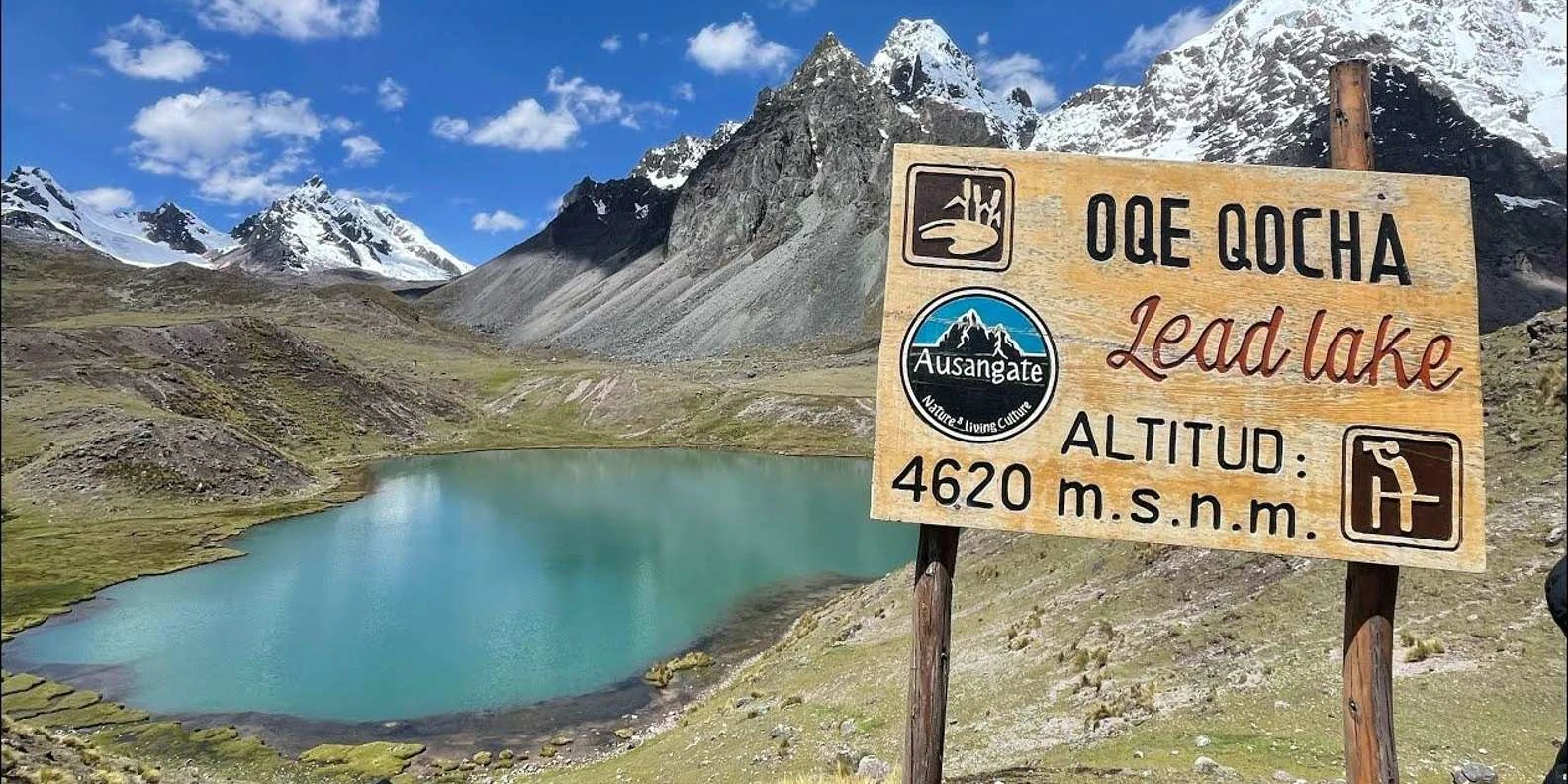
The trek is renowned for its stunning glacier lakes, each one offering a unique palette of blues and greens. These pristine waters are framed by the rugged beauty of the Andes, creating picture-perfect scenes for photographers and nature lovers alike.

  • The Beauty of Glacier Lakes: The glacier lakes along the Ausangate Trek are a testament to the power and beauty of nature. Each lake, with its shimmering surface reflecting the surrounding peaks, offers a moment of tranquility and reflection. These lakes provide a vital source of water for the local communities and wildlife.
  • Andean Mountain Vistas: The towering peaks of the Andes provide a dramatic backdrop to the trek, with each turn revealing new vistas. From snow-capped summits to verdant valleys, the landscape is a constant reminder of nature’s grandeur. These vistas offer more than just visual beauty; they inspire a sense of awe and respect for the natural world.
  • Photography and Nature Appreciation: For photographers, the Ausangate Trek is a dream come true, with its ever-changing light and diverse landscapes. Whether you’re capturing the vibrant colors of Rainbow Mountain or the serene beauty of a glacier lake, each shot tells a story of the trek’s natural wonders. Even if you’re not a photographer, taking the time to appreciate the intricate details of the landscape can deepen your connection to the environment.

Birdwatching Opportunities

Keep an eye out for the elusive Andean condor soaring overhead, or the vicuñas and alpacas grazing in the highlands. These encounters with wildlife add an extra layer of wonder to your adventure.

  • Birdwatching Opportunities: The Andes are home to a variety of bird species, with the majestic Andean condor being a highlight. Observing these birds in flight is a breathtaking experience, as they glide effortlessly on thermal currents. Birdwatchers will also delight in spotting other species, such as the Andean goose and the vibrant hummingbirds that flit among the flowers.
  • Highland Mammals: The highlands are inhabited by a range of mammals, including the graceful vicuñas and the domesticated alpacas and llamas. These animals are integral to Andean culture, providing wool for textiles and meat for sustenance. Spotting them in their natural habitat adds a sense of authenticity to your trekking experience, reminding you of the region’s rich biodiversity.
  • Flora and Fauna Exploration: The diverse ecosystems of the Andes support a wide range of plant life, from hardy shrubs to delicate wildflowers. As you trek, take the time to observe the unique flora, which has adapted to the harsh mountain climate. This exploration of the natural world enhances your understanding of the intricate balance that sustains life in the Andes.

 Acclimatization

ausangate trek

Given the high altitudes, proper acclimatization is crucial for a successful trek. Spend a few days in Cusco before heading to the trailhead to allow your body to adjust. Staying hydrated and maintaining a steady pace will help you cope with the altitude changes.

  • Importance of Acclimatization: Acclimatization is essential to avoid altitude sickness, which can affect even experienced trekkers. Spending time at altitude before the trek allows your body to gradually adjust to the lower oxygen levels. This preparation can make the difference between an enjoyable trek and a challenging struggle with altitude-related symptoms.
  • Health Tips for High Altitude: Staying hydrated is critical at high altitudes, as the body loses more moisture through respiration and increased physical activity. Drinking plenty of water and avoiding alcohol can help maintain hydration levels. Additionally, a balanced diet rich in carbohydrates provides the energy needed for trekking.
  • Recognizing and Managing Altitude Sickness: Altitude sickness can manifest as headaches, nausea, and fatigue. It’s essential to recognize these symptoms early and take appropriate action, such as resting or descending to a lower altitude. In severe cases, seeking medical attention is necessary. Listening to your body and not pushing beyond your limits is crucial for a safe and enjoyable trek.

Packing Essentials

Packing smartly is key to enjoying your trek. Essential items include:

  • Warm Clothing and Layers: The weather in the Andes can be unpredictable, with temperatures dropping significantly at night. Packing layers allows you to adjust your clothing to the changing conditions, ensuring you stay warm and comfortable. A good quality down jacket and thermal base layers are essential for cold nights.
  • A Sturdy Pair of Hiking Boots: A reliable pair of hiking boots is crucial for tackling the varied terrain of the Ausangate Trek. Your boots should offer good ankle support and be well broken-in to prevent blisters. Investing in quality footwear can make a significant difference in your comfort and safety on the trail.
  • Additional Gear and Essentials: Other important items include a high-quality sleeping bag rated for low temperatures, sun protection (sunglasses, sunscreen, hat), and a reusable water bottle with purification tablets. A headlamp, trekking poles, and a first aid kit are also recommended for safety and convenience.

Guided Tours 

For those short on time or seeking a hassle-free experience, guided Cusco tours offer a convenient option. Local guides provide valuable insights into the region’s culture and history.

  • Benefits of Guided Tours: Guided tours offer the advantage of local expertise, with guides who are knowledgeable about the terrain, culture, and history of the region. They can enhance your trekking experience by pointing out landmarks, sharing stories, and ensuring your safety on the trail. Additionally, guided tours often include logistics such as transportation, meals, and permits.
  • Exploring Independently: If you prefer the freedom to explore at your own pace, independent trekking is entirely feasible. This option allows you to tailor your itinerary to your interests and spend more time in areas that captivate you. However, it’s essential to have a reliable map, all necessary permits, and a solid understanding of the trail conditions.
  • Making the Right Choice for You: Choosing between a guided tour and independent trekking depends on your preferences, experience level, and available time. Consider factors such as your comfort with navigation, desire for cultural interaction. Both options offer unique benefits, so select the one that aligns with your goals for the trek.

Alternative Hiking Trails

ausangate trek

If you have extra time, consider extending your adventure to include other nearby attractions. The Sacred Valley and Machu Picchu are must-visit destinations that complement the Ausangate Trek perfectly.

The Sacred Valley of the incas, with its lush landscapes and historical sites, offers a fascinating extension to your trekking adventure. Visit ancient Inca ruins, such as Pisac and Ollantaytambo, and explore the vibrant markets where local artisans sell their crafts. The valley’s rich history and stunning scenery provide a perfect contrast to the rugged beauty of the Ausangate Trek.

No visit to Peru is complete without experiencing the iconic Machu Picchu. This ancient Inca citadel, perched high in the Andes, offers breathtaking views and a glimpse into the past. Whether you choose to hike the Inca Trail or take the train from Cusco, exploring Machu Picchu is a once-in-a-lifetime experience that complements the natural wonders of the Ausangate Trek.

Other Peru Hiking Alternatives

For those seeking further adventures, consider other hiking trails in the region, such as the Lares Trek or the Salkantay Trek. Each offers a different perspective of Peru’s natural beauty and cultural heritage. The Lares Trek takes you through remote Andean villages and the Lares hot springs, while the Salkantay Trek offers dramatic mountain scenery and ends at Machu Picchu. These alternatives provide additional opportunities to explore the diverse landscapes of the Andes.

Final Thoughts on the Ausangate Trek Experience

The Ausangate Trek in Peru is more than just a hike; it’s a journey through some of the most breathtaking landscapes on Earth, enriched by the vibrant culture of the Andean people. Whether you’re a seasoned trekker or a curious traveler seeking new horizons, this trek promises an unforgettable experience.

So lace up your boots, pack your camera, and get ready to immerse yourself in the wonders of the Ausangate Trek. With its glacier lakes, mountain vistas, and cultural encounters, it’s an adventure that will stay with you long after the journey ends. Happy trekking!

Text Widget

Nulla vitae elit libero, a pharetra augue. Nulla vitae elit libero, a pharetra augue. Nulla vitae elit libero, a pharetra augue. Donec sed odio dui. Etiam porta sem malesuada.

Recent Comments