Plaza de Armas of Cusco: Heart of the Inca Capital

Nestled in the Andean mountains, the Plaza de Armas of Cusco is more than just a central square; it’s the beating heart of the Inca capital. As seasoned travelers, we, Rober and Lety, have wandered through countless plazas, but few compare to the rich tapestry of history and culture that the Plaza de Armas offers. Whether you’re a corporate executive seeking a quick getaway, a freelance photographer on the hunt for the perfect shot, or an academic researcher delving into cultural studies, Cusco’s vibrant core has something for everyone.

The Historical Significance of the Plaza

plaza de armas of cusco

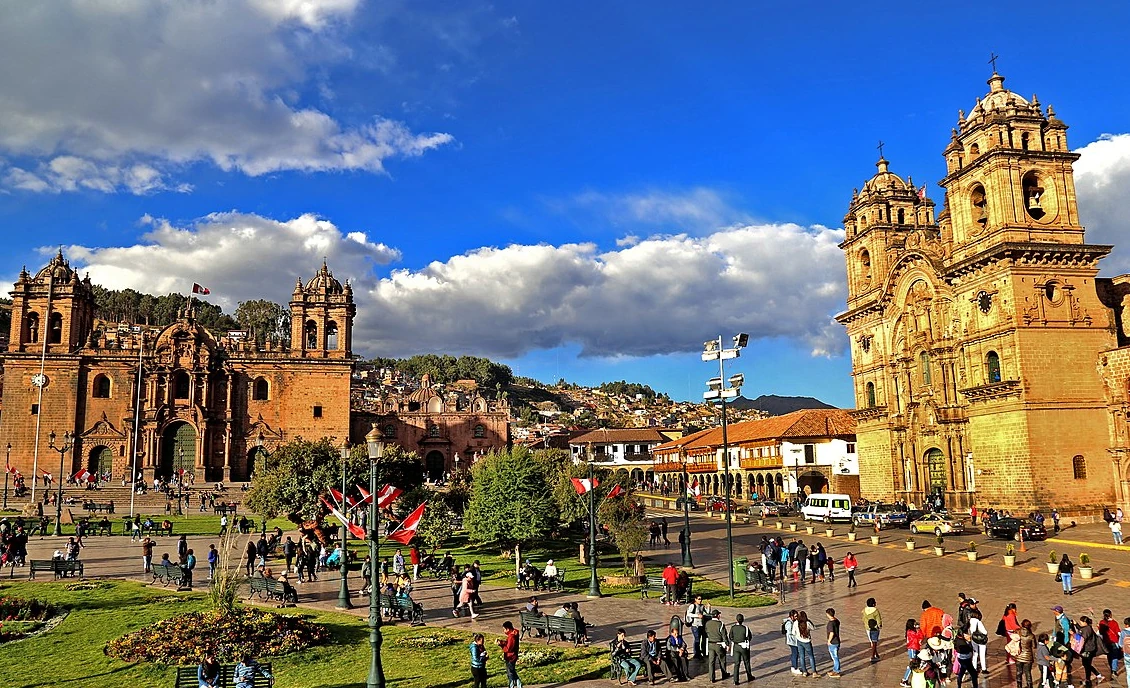
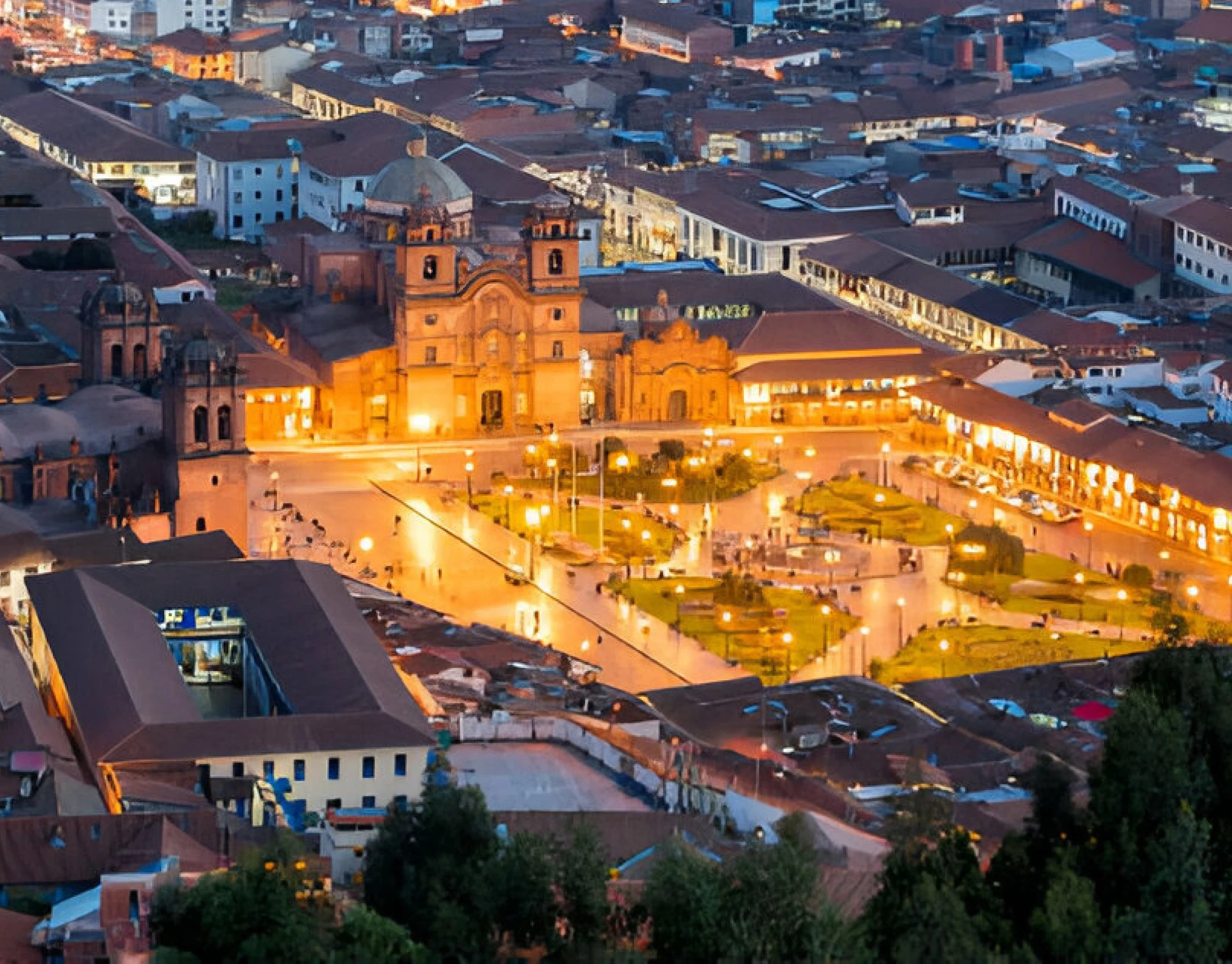
The Plaza de Armas of Cusco has been the epicenter of cultural and historical transformation since the Inca Empire. Originally called “Haucaypata” or “Aucaypata,” it was the site of many significant ceremonies and military parades. The Spanish conquerors later transformed it into a plaza with colonial arcades and stunning architecture, blending Inca and Spanish influences. Today, it’s a bustling hub of activity, where the past and present coexist beautifully.

Haucaypata, the original Inca name for the Plaza de Armas, was not merely a square but a spiritual and political center. It served as the stage for grand ceremonies, including the Inti Raymi, a festival dedicated to the Sun God, Inti. The layout of the plaza was meticulously planned to align with celestial events, reflecting the deep cosmological beliefs of the Inca people.

Inca origins and historical transformation

With the arrival of the Spanish conquerors, the plaza underwent a dramatic transformation. The Spanish dismantled many of the Inca structures and erected colonial buildings in their place. This change marked the beginning of a new era where European styles blended with indigenous traditions, resulting in a unique architectural tapestry that still captivates visitors today.

Today, the Plaza de Armas is a vibrant cultural hub that showcases the harmonious coexistence of its historical past and modern-day life. Street performers, artisans, and vendors add to the lively atmosphere, while locals and tourists alike gather to enjoy the vibrant energy of the square. The juxtaposition of historical landmarks and contemporary activities makes the Plaza de Armas a living museum that continues to evolve.

Architectural Wonders Around the Plaza

plaza de armas of cusco

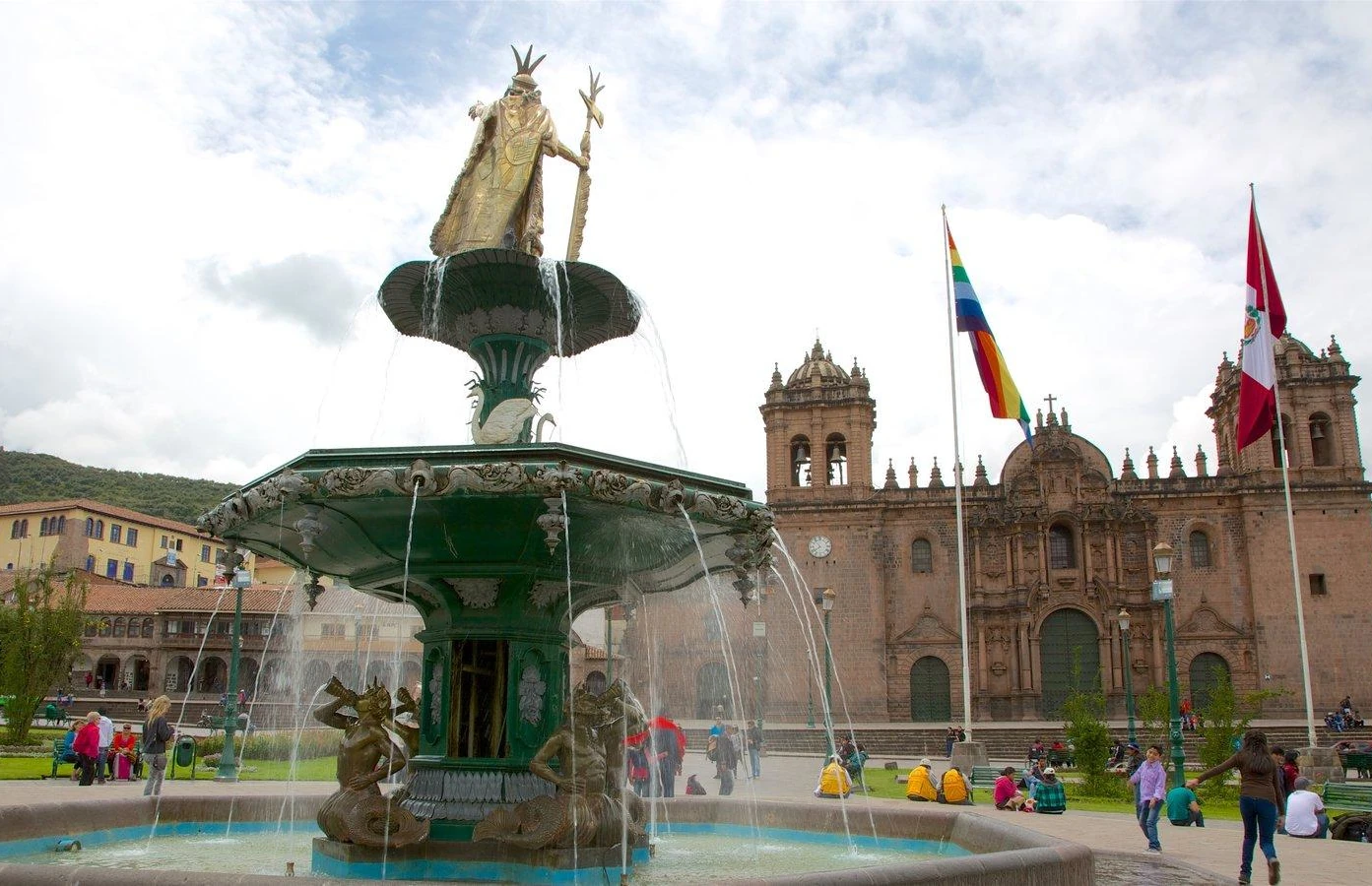
As you step into the Plaza de Armas, your eyes will be drawn to the majestic Cathedral. Built on the foundations of an Inca palace, this cathedral showcases exquisite Spanish colonial architecture and houses some of Peru’s most important pieces of art.

The Cathedral is an architectural marvel that stands as a testament to Cusco’s colonial history. Constructed over several decades, its facade is a blend of Gothic, Renaissance, and Baroque styles. Inside, visitors can marvel at the intricate wood carvings and the breathtaking altar adorned with gold leaf, offering a glimpse into the religious artistry of the colonial era.

The Church of the Society of Jesus

On the opposite side, the Church of the Society of Jesus stands tall. This Jesuit church is renowned for its intricate baroque facade and rich interior decorations. The juxtaposition of these two religious monuments within the same square narrates a story of cultural melding and historical intrigue. The church also houses a beautiful collection of colonial paintings, making it a treasure trove for art enthusiasts.

Surrounding the plaza are colonial arcades and charming balconies that overlook the bustling square. These architectural features are not only visually stunning but also serve as a reminder of the Spanish influence that permeated Cusco. Strolling beneath the arcades offers a sense of stepping back in time, while the balconies provide the perfect vantage point to observe the lively activities below.

Exploring Qorikancha: The Temple of the Sun

A short walk from the plaza leads you to Qorikancha, once the most revered temple in the Inca Empire. The temple was dedicated to Inti, the Sun God, and was covered in gold sheets to reflect the sun’s rays. Although much of its splendor was stripped away during the Spanish conquest, the remnants still astound visitors with their sophisticated engineering and stonework.

The original foundations of Qorikancha are a testament to the advanced engineering skills of the Inca civilization. The stones fit together so precisely that even a knife blade cannot slip between them. This precision not only showcases the Inca’s architectural prowess but also their deep understanding of seismic activity, as the temple has withstood numerous earthquakes over the centuries.

After the Spanish conquest, the temple’s gold was looted, and a colonial church and convent were built atop its foundations. This overlay of Spanish architecture on Inca foundations is a striking visual representation of the cultural and historical layers that define Cusco. Visitors can explore both the Inca ruins and the colonial structures, gaining insight into the city’s complex past.

The Museum of Qorikancha

Within the temple complex, the Museum of Qorikancha offers exhibits that delve into the history of the site and its significance within the Inca Empire. Artifacts, models, and informative displays provide context for understanding the temple’s role in Inca society and its enduring legacy. This museum is a must-visit for anyone interested in the intricate history of Cusco.

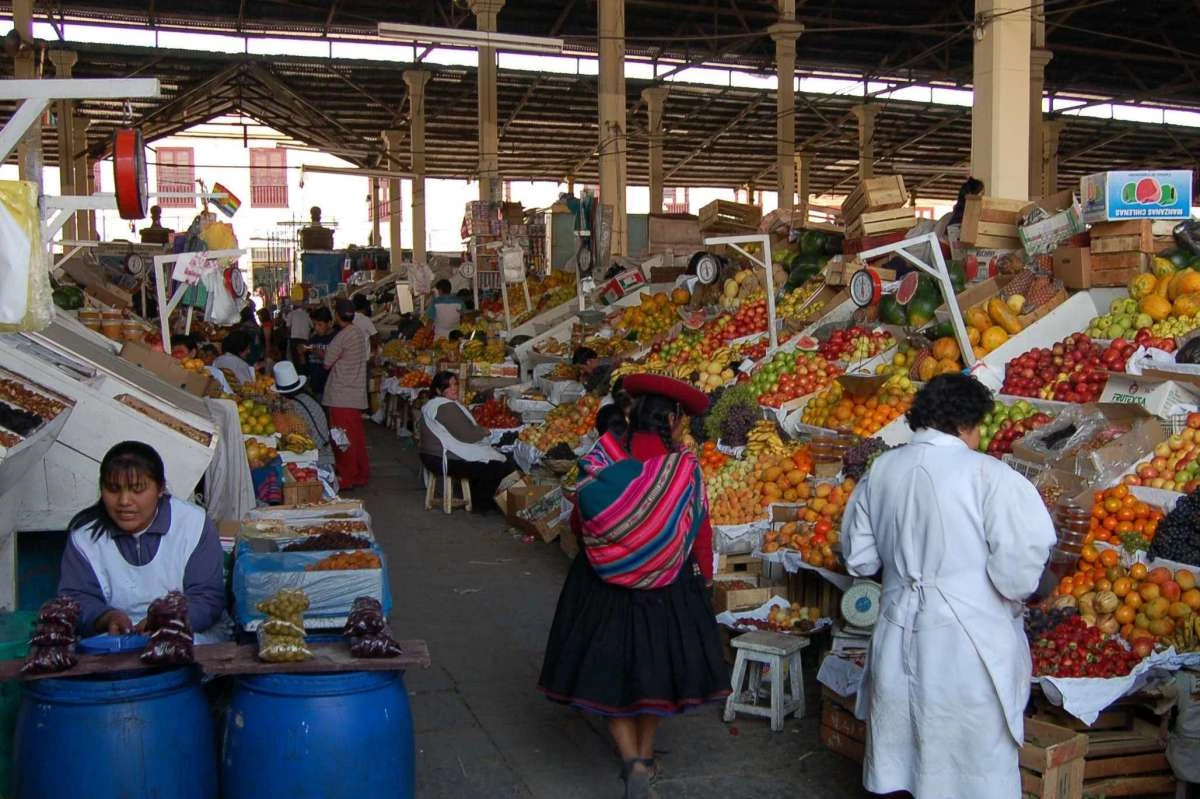
For a taste of local culture and cuisine, head to San Pedro Market. This bustling market offers everything from fresh produce to traditional Andean textiles. It’s a sensory overload in the best way possible, and a perfect spot to sample local delicacies like choclo con queso (corn with cheese) or pick up a colorful woven souvenir.

Experience Local Culture at San Pedro Market

San Pedro Market is more than just a place to shop; it’s a cultural institution that has been a part of Cusco’s daily life for generations. The market’s layout is a maze of stalls, each offering a unique glimpse into the region’s culinary and artisanal traditions. From fresh fruits and vegetables to vibrant textiles, the market is a microcosm of Andean culture.

Food lovers will find themselves in paradise at San Pedro Market. The market is a haven for traditional Andean dishes, offering everything from hearty stews to savory empanadas. Be sure to try the local favorite, rocoto relleno, a spicy stuffed pepper that is a true Cusco delicacy. Sampling these dishes provides an authentic taste of the region’s culinary heritage.

plaza de armas of cusco

Artisan Crafts

Beyond the food, San Pedro Market is a treasure trove of artisanal goods. Local crafts are sold handmade textiles, jewelry, and pottery, each piece reflecting the rich cultural traditions of the Andes. Picking up a handmade souvenir not only supports local artisans but also provides a lasting memory of your Cusco adventure.

Cusco is a photographer’s paradise. The early morning light casts a magical glow over the cobblestone streets, while the vibrant colors of local attire provide endless inspiration. The interplay of shadow and light against the colonial buildings and ancient Inca walls creates a rich canvas for storytelling through your lens.

Capturing the Essence of Cusco Through Photography

For photographers, the golden hour in Cusco is a magical time. As the sun rises or sets, the city is bathed in a warm, golden light that enhances the beauty of its architecture and landscapes. This is the perfect time to capture the essence of Cusco, with its dramatic shadows and vibrant hues creating stunning visuals.

Cusco’s streets are alive with activity, offering endless opportunities for candid photography. From local artisans at work to bustling market scenes, the city provides a dynamic backdrop for capturing everyday life. Engaging with locals and understanding their stories can add depth to your photographs, transforming them into powerful narratives.

The juxtaposition of Inca and colonial architecture in Cusco is a photographer’s dream. The intricate details of the buildings, from baroque facades to Inca stonework, offer a wealth of subjects to explore. Experimenting with angles and perspectives can yield striking images that highlight the city’s unique architectural heritage.

Cultural Festivals

If your visit aligns with one of Cusco’s many festivals, consider it a bonus. Events like Inti Raymi, the Festival of the Sun, offer a glimpse into the rich traditions and vibrant celebrations that are deeply rooted in Cusco’s culture. These festivals provide a unique opportunity to experience the city’s energy and capture dynamic, culturally-rich photographs.

Inti Raymi is one of Cusco’s most celebrated festivals, drawing visitors from around the world. Held on June 24th, this grand event reenacts ancient Inca ceremonies in honor of the Sun God. The vibrant costumes, traditional music, and dramatic performances create a spectacle that is both visually stunning and deeply moving.

Semana Santa, or Holy Week, is another significant event in Cusco’s cultural calendar. This religious celebration features processions, masses, and traditional rituals that blend Catholic and indigenous traditions. The solemn yet vibrant atmosphere provides a unique opportunity for photographers to capture the spiritual essence of the city.

Engaging with Local Life

Throughout the year, Cusco hosts a variety of festivals and events that celebrate its rich cultural heritage. From traditional dances to contemporary art exhibitions, these events offer a diverse range of experiences for visitors. Checking the local calendar before your trip can help you plan to witness one of these unforgettable celebrations.

To make the most of your time in Cusco, consider booking a guided tour that covers major attractions efficiently. This is particularly beneficial for corporate executives with tight schedules. Many tour operators offer half-day tours that encompass the highlights, allowing you to experience the essence of Cusco without feeling rushed.

Guided Tours

plaza de armas of cusco

Guided Cusco tours are an excellent way to explore Cusco’s highlights without the stress of planning. Knowledgeable guides provide insights into the city’s history, culture, and architecture, enriching your experience. Whether you’re interested in a walking tour of the city or a day trip to nearby attractions, there are options to suit every interest and schedule.

Cusco’s compact size makes it easy to explore on foot, but public transportation and taxis are also readily available. The city’s narrow streets can be challenging for drivers, so walking is often the quickest way to navigate the historic center. For longer distances, consider using buses or taxis, ensuring you agree on a fare before starting your journey.

Cusco Accomodations

Staying connected in Cusco is easy with the availability of Wi-Fi in most hotels and cafes. However, it’s important to take precautions to ensure your safety. Keep an eye on your belongings, especially in crowded areas, and be cautious when using ATMs. By staying vigilant, you can enjoy a safe and worry-free adventure in Cusco.

Cusco offers a range of accommodations from luxury hotels to cozy hostels. Staying near the Plaza de Armas ensures you’re at the heart of the andes actions. For dining, Cusco’s culinary scene is diverse. Try a traditional Peruvian meal at a local picantería, or for something more upscale, dine at one of the restaurants offering contemporary Andean cuisine.

Whether you’re seeking luxury or budget-friendly options, Cusco has accommodations to suit every traveler. Boutique hotels and hostels in the historic center offer charm and convenience, while larger hotels provide modern amenities. Booking in advance is recommended, especially during peak tourist seasons, to secure your preferred choice.

Cusco’s dining scene is a delightful mix of traditional and contemporary flavors. Local picanterías serve hearty, home-cooked meals that showcase regional ingredients and cooking techniques. For a more upscale experience, restaurants specializing in contemporary Andean cuisine offer innovative dishes that blend traditional flavors with modern culinary artistry.

A Culinary Journey

While in Cusco, don’t miss the opportunity to sample some of the region’s iconic dishes. Ceviche, a fresh seafood dish marinated in citrus, is a must-try, as is alpaca steak, a lean and flavorful meat. For a sweet treat, indulge in picarones, a type of donut made with sweet potato and squash, drizzled with syrup.

The Plaza de Armas of Cusco is more than a tourist destination; it’s a living museum where history, culture, and modern life converge. Whether you’re exploring its architectural wonders, indulging in local cuisine, or capturing the essence of the city through your camera, Cusco invites you to immerse yourself in its vibrant atmosphere.

Visiting the Plaza de Armas is like stepping back in time, with every corner revealing a piece of Cusco’s storied past. The blend of Inca and Spanish influences creates a unique cultural landscape that invites exploration. Each visit uncovers new layers of history, offering a deeper understanding of the city’s rich heritage.

A Perfect Blend of History and Modernity

The vibrancy of Cusco’s culture is woven into the fabric of daily life. From traditional festivals to contemporary art, the city is a dynamic tapestry of old and new. Engaging with local artisans, tasting traditional dishes, and participating in cultural events enrich your experience, allowing you to connect with the soul of Cusco.

Embrace the heartbeat of Cusco, and let it guide your journey through the ancient Inca capital. With the right blend of exploration and relaxation, your visit to Plaza de Armas will undoubtedly be a memorable chapter in your travel adventures. Whether you’re seeking history, culture, or simply a breathtaking escape, Cusco offers a world of discovery waiting to be explored.

Text Widget

Nulla vitae elit libero, a pharetra augue. Nulla vitae elit libero, a pharetra augue. Nulla vitae elit libero, a pharetra augue. Donec sed odio dui. Etiam porta sem malesuada.

Recent Comments